
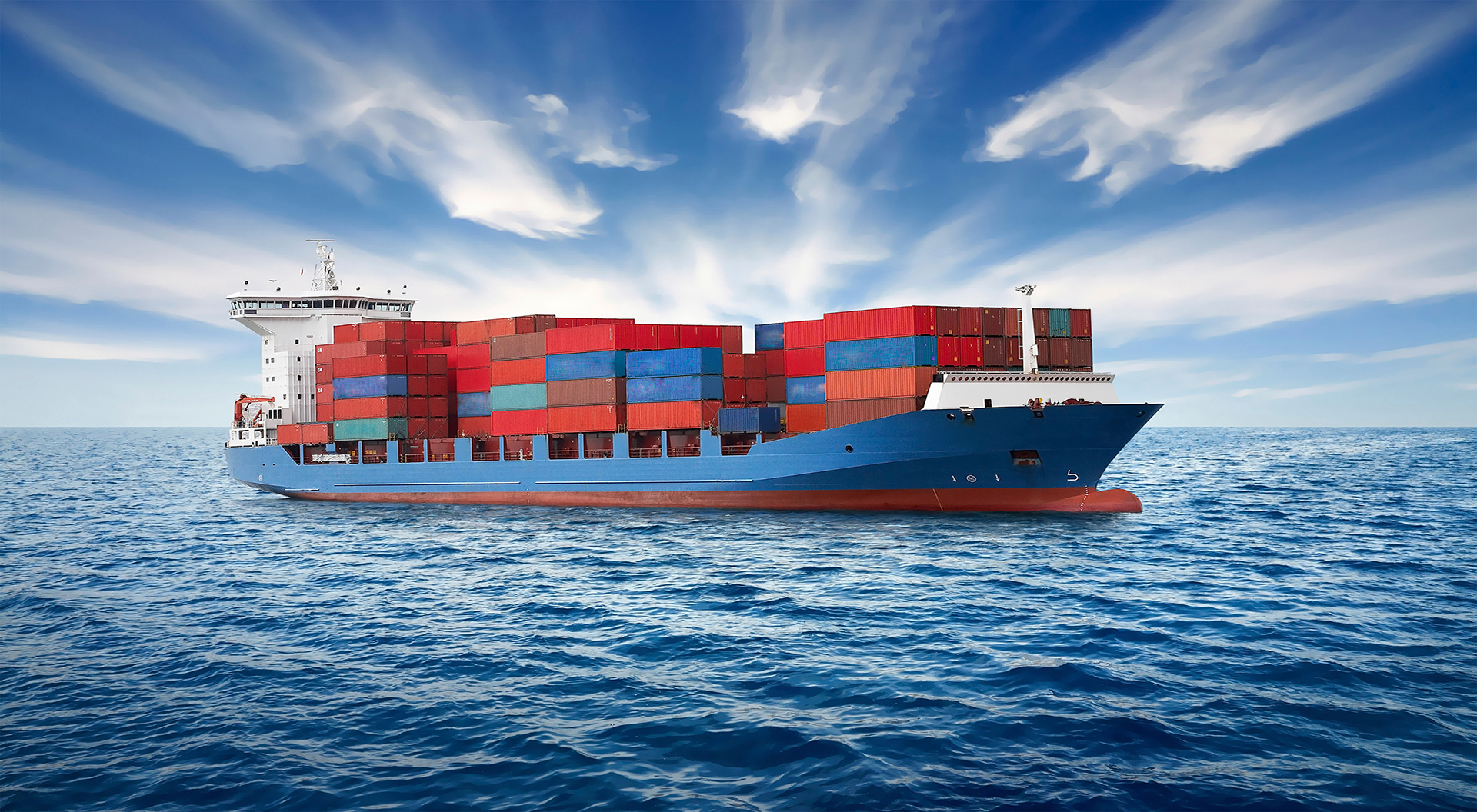
Shipping from China to Serbia is a strategic logistics route connecting Asia with Southeast and Central Europe. As a landlocked country located at the crossroads of the Balkans, Serbia relies heavily on international multimodal transportation through surrounding EU and regional gateways to support manufacturing, infrastructure development, and regional distribution.
Cargo shipped from China to Serbia mainly includes machinery, automotive parts, electrical equipment, industrial materials, furniture, consumer goods, and project-related cargo. Many shipments are linked to factories, distributors, and construction projects, which places strong emphasis on stable inland transit, predictable delivery schedules, and efficient customs clearance.
DSV-freight provides professional shipping solutions from China to Serbia by combining international transport with mature European inland networks. From Chinese origins to final delivery in Belgrade and other Serbian cities, we focus on route optimization, cost control, and operational reliability.
Sea freight is a cost-effective option for shipping cargo from China to Serbia when combined with European inland transportation. DSV-freight arranges ocean freight from major Chinese ports such as Shanghai, Ningbo, Shenzhen, and Qingdao to key European ports including Piraeus, Koper, Rijeka, and Hamburg. After arrival, cargo is transported by truck or rail into Serbia. This solution is suitable for large-volume, non-urgent shipments where cost efficiency and capacity are prioritized.

Air freight is suitable for urgent and high-value shipments from China to Serbia. DSV-freight coordinates air cargo services from major Chinese airports to Belgrade Nikola Tesla Airport or nearby European hubs with onward trucking.
This service is commonly used for electronics, urgent spare parts, samples, medical equipment, and time-sensitive industrial cargo requiring fast delivery.
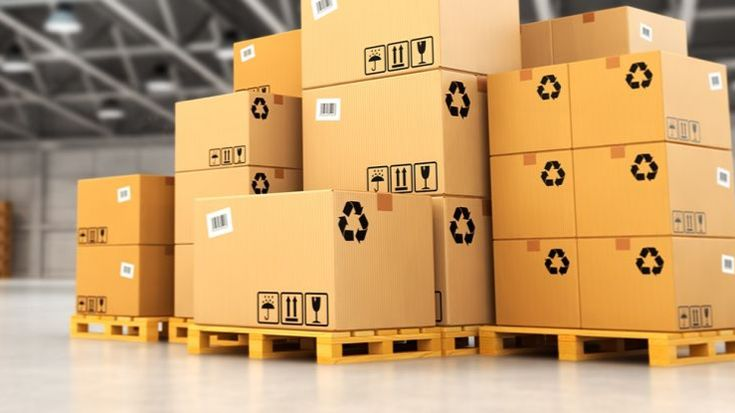
Rail freight is one of the most competitive transportation options for shipping from China to Serbia. DSV-freight utilizes China–Europe railway corridors to move cargo into Central and Eastern Europe, followed by regional rail or truck connections into Serbia. Rail freight offers a strong balance between transit time and cost, making it ideal for regular commercial shipments, automotive components, industrial goods, and customers seeking more stable schedules than sea freight.

FCL shipping is recommended for customers with medium to large shipment volumes requiring exclusive container use. DSV-freight provides full container load services using 20GP, 40GP, and 40HQ containers from China to Serbia via sea–road, sea–rail, or full rail solutions.
FCL shipping reduces cargo handling, improves shipment security, and provides better control over delivery timelines. It is widely used for machinery, industrial equipment, furniture, construction materials, and long-term supply contracts serving the Serbian market.
LCL shipping is a flexible and cost-effective option for smaller shipments destined for Serbia. DSV-freight manages cargo consolidation at origin, shared international transport, destination deconsolidation, customs coordination, and final inland delivery.
This solution is suitable for SMEs, mixed cargo, spare parts, trial orders, and frequent replenishment shipments. Proper planning of consolidation hubs and inland routes is key to maintaining stable transit times for LCL cargo into Serbia.
DSV-freight will provide most fuel efficient pickup service China
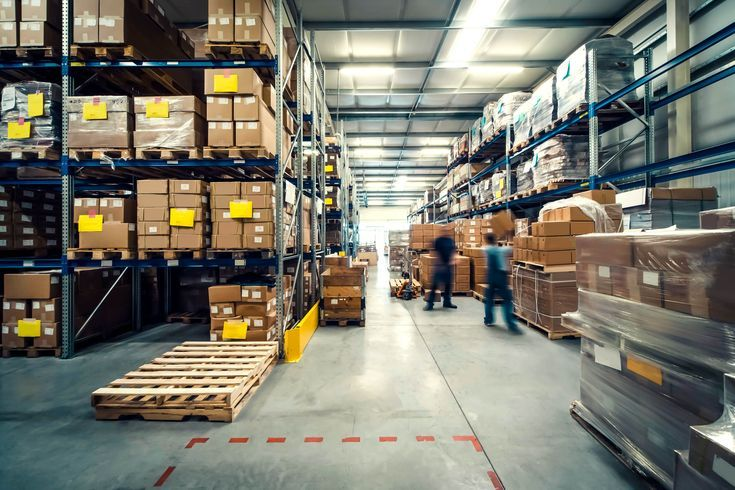
We provide free warehousing services for any of your goods.
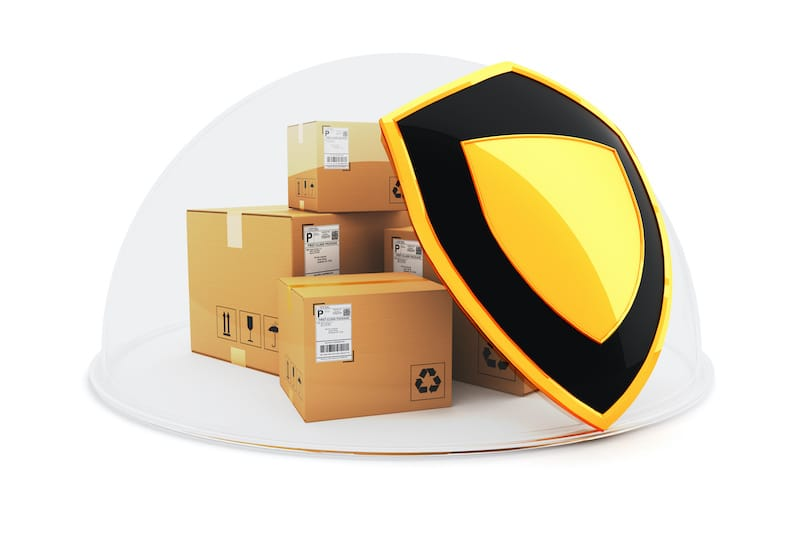
The cargo insurance protects your goods all the way to any Any FBA Warehouse
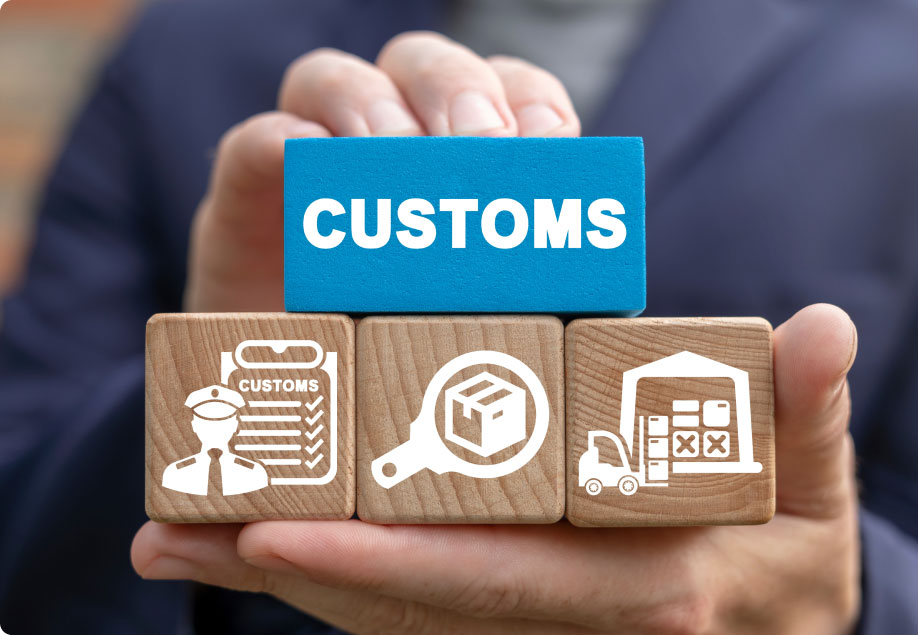
We handle all paperwork and other details for you.

Ensure safe packaging and loading of goods in your suppliers' factory.
Serbia imports a variety of electronic devices from China, including smartphones, laptops, tablets, and household appliances. These products are popular due to their competitive pricing and advanced technology.
The textile import industry from China benefits Serbia by providing affordable clothing and fabric options, stimulating local retail markets, and supporting fashion and apparel businesses with a diverse range of products.
Serbia imports various types of industrial machinery from China, including manufacturing equipment, construction machinery, agricultural machines, and tools for different industrial applications.
Chinese furniture is popular in Serbia due to its cost-effectiveness, diverse designs, and high availability. It caters to various consumer preferences and fits well within different budget ranges.
Main challenges include navigating customs regulations, ensuring product quality, managing logistics and transportation risks, and dealing with potential language barriers during communication with suppliers.
Importers can ensure quality by conducting thorough supplier evaluations, requesting product samples, performing quality inspections, and maintaining strong communication with suppliers regarding standards and expectations.
Freight forwarders manage logistics, ensure compliance with regulations, provide tracking and monitoring services, handle documentation, and offer solutions for efficient and secure transportation of goods.
Environmental considerations include minimizing carbon footprints by optimizing shipping routes, choosing eco-friendly packaging, adhering to environmental regulations, and working with suppliers committed to sustainable practices.
The trade relationship between China and Serbia has strengthened, with increased bilateral trade agreements, infrastructure projects under the Belt and Road Initiative, and a growing exchange of goods and services benefiting both economies.
Future prospects for trade between China and Serbia are promising, with potential growth in sectors such as technology, renewable energy, automotive, and agricultural products, driven by continued economic cooperation and investment initiatives.
High code quality delivers a stable and responsive system, making daily logistics management smoother while minimizing technical issues and downtime.
A wide range of available features allows users to manage shipments more efficiently and access essential services with ease. In logistics, feature availability often depends on regional support and operational coverage.
Operational management involves organizing transport resources, defining clear workflows, and following industry regulations. Depending on regional practices, infrastructure can be owned and operated by public institutions or private companies.