
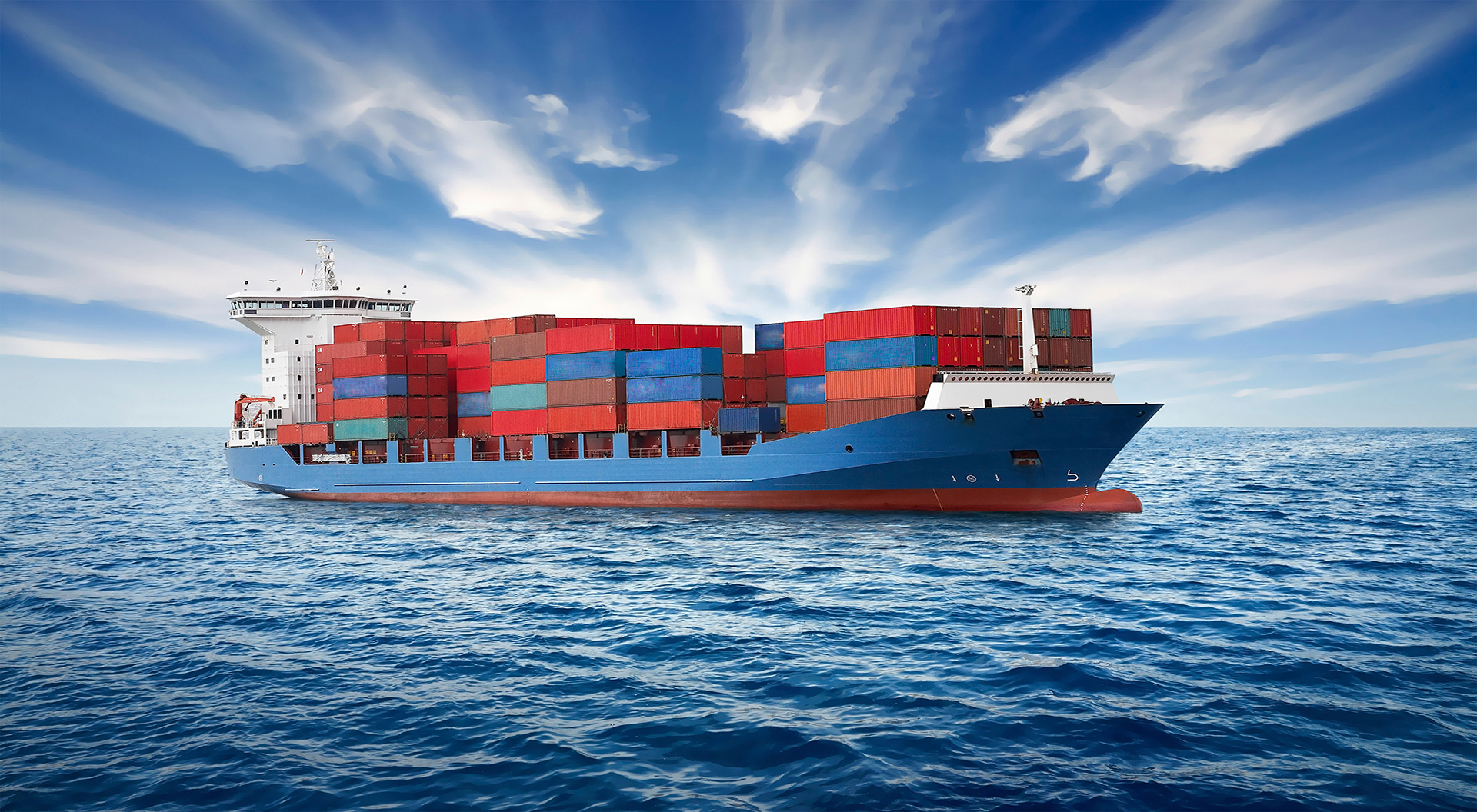
DSV-freight provides reliable logistics solutions for shipping from China to Sudan, supporting importers, traders, wholesalers, and project-based businesses operating across East and North Africa. With experience in China–Africa trade routes, we focus on practical routing, cargo safety, and stable transit planning suited to complex regional logistics environments.
From pickup in China to final delivery in Sudan, DSV-freight coordinates export handling, international freight transportation, destination customs clearance, and inland delivery through a single managed process. By combining ocean freight, air freight, and consolidation options, we help clients move cargo efficiently while reducing coordination risks and transit uncertainty.
DSV-freight provides dependable sea freight services from China to Sudan via major Chinese ports, routing cargo through established Red Sea gateways for onward delivery. This service emphasizes secure container handling, stable carrier schedules, and optimized ocean routing, making it suitable for bulk cargo, heavy equipment, and general commercial goods that prioritize cost efficiency and transit reliability.

DSV-freight offers structured air freight solutions from China to Sudan through major international air hubs. Designed for speed and schedule stability, this service ensures secure handling and time-controlled delivery for urgent shipments, high-value goods, samples, and commercial cargo requiring faster transit.

DSV-freight delivers fully coordinated door-to-door shipping solutions from China to Sudan, covering factory pickup, export handling, international transportation, customs clearance, and final delivery. This end-to-end service simplifies logistics coordination while ensuring cargo security, regulatory compliance, and predictable delivery performance.

DSV-freight provides reliable FCL full container load shipping solutions from China to Sudan for clients moving large-volume or heavy cargo. Dedicated containers such as 20GP, 40GP, and 40HQ allow for improved cargo protection, efficient loading, and better control over shipment schedules throughout the ocean transport process.
With optimized routing and stable carrier partnerships, FCL shipping is ideal for construction materials, machinery, industrial equipment, and large commercial consignments. DSV-freight ensures consistent shipment visibility and coordinated destination delivery, helping importers manage transit risks and overall logistics costs more effectively.
For smaller shipments, DSV-freight offers structured LCL less-than-container-load shipping from China to Sudan. Through professional consolidation services, multiple shipments are combined into shared containers, enabling cost savings while maintaining cargo safety and delivery reliability.
LCL solutions include careful cargo handling, coordinated export and import customs procedures, and stable sailing schedules. This option is well suited for small and medium-sized importers seeking flexible shipping volumes, controlled freight costs, and dependable transit performance into the Sudanese market.
DSV-freight will provide most fuel efficient pickup service China
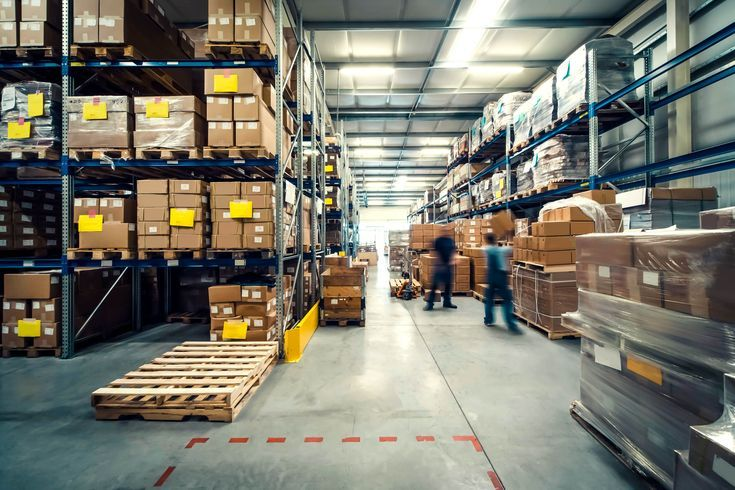
We provide free warehousing services for any of your goods.

The cargo insurance protects your goods all the way to any Any FBA Warehouse
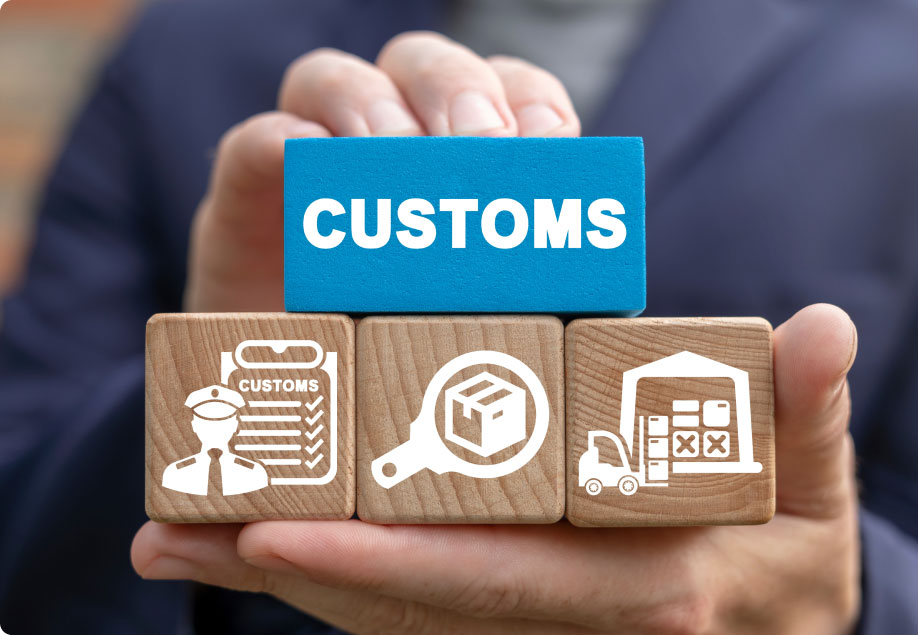
We handle all paperwork and other details for you.

Ensure safe packaging and loading of goods in your suppliers' factory.
Shipping duration is influenced by various factors such as the method of transport (air, sea), customs clearance procedures, shipping company efficiency, and current global shipping conditions. Typically, air freight is faster, taking about 7-10 days, while sea freight can range from 30-45 days. Delays can also occur due to weather conditions, port congestion, or political situations.
The primary shipping methods from China to Sudan are air freight and sea freight. Air freight is quicker but more expensive, typically taking 7-10 days. Sea freight, which is more economical, usually takes 30-45 days depending on the shipping route and current maritime conditions.
Customs procedures can significantly impact shipping time. Efficient handling and documentation can facilitate quicker clearance, reducing delays. Conversely, inadequate documentation or stringent inspections can lead to prolonged processing times. Both China and Sudan's customs regulations and the shipper's adherence to these rules play crucial roles.
Air shipping is generally more expensive due to its speed, often used for urgent or high-value goods. Costs vary based on weight and volume but can range from $5 to $10 per kilogram. Sea shipping is cheaper, ideal for bulk goods, with costs typically calculated per cubic meter or per container, ranging from $1,500 to $3,000 for a 20-foot container.
Required documentation includes a commercial invoice, packing list, bill of lading for sea freight or airway bill for air freight, certificate of origin, and any applicable import licenses. Proper documentation ensures smooth customs clearance and adherence to both countries' regulations, thus preventing unnecessary delays.
Common sea routes typically pass through major ports such as Shanghai or Shenzhen, through the Indian Ocean, and the Suez Canal, finally reaching Port Sudan. For air freight, major airports in China like Beijing or Shanghai connect through intermediate hubs before landing in Khartoum, Sudan's primary international airport.
Holidays in both China and Sudan can cause delays. Chinese New Year, for instance, can halt manufacturing and shipping activities for up to two weeks. Similarly, Islamic holidays in Sudan can affect customs and port operations. Planning shipments around these periods can help avoid delays.
Risks include potential delays due to customs, weather, and geopolitical issues. Damages or losses during transit, especially for sea freight, and fluctuating shipping costs are also concerns. Choosing reliable shipping partners and comprehensive insurance coverage can mitigate these risks.
Most shipping companies provide tracking services. For air freight, real-time tracking via airway bill numbers is common, offering updates at various transit points. Sea freight tracking is also available through the bill of lading number, providing status updates at each port and estimated arrival times.
To ensure timely delivery, choose reputable shipping companies, prepare all necessary documentation accurately, and consider using freight forwarders for coordination. Monitor holidays and peak seasons, opt for direct routes when possible, and maintain clear communication with all parties involved to handle any issues promptly.
Operational management involves organizing transport resources, defining clear workflows, and following industry regulations. Depending on regional practices, infrastructure can be owned and operated by public institutions or private companies.
High code quality delivers a stable and responsive system, making daily logistics management smoother while minimizing technical issues and downtime.
A wide range of available features allows users to manage shipments more efficiently and access essential services with ease. In logistics, feature availability often depends on regional support and operational coverage.