
Shipping from China to Laos is an important logistics route connecting Chinese manufacturing regions with Southeast Asia’s inland markets. As a landlocked country, Laos relies heavily on cross-border road and rail networks, combined with efficient customs procedures and inland delivery coordination. DSV-freight provides professional logistics solutions for shipping from China to Laos, supporting importers in construction materials, industrial supplies, consumer goods, agricultural equipment, and project cargo. With hands-on experience in China–Laos trade lanes, we help clients achieve stable transit times, smooth border clearance, and controlled logistics costs.
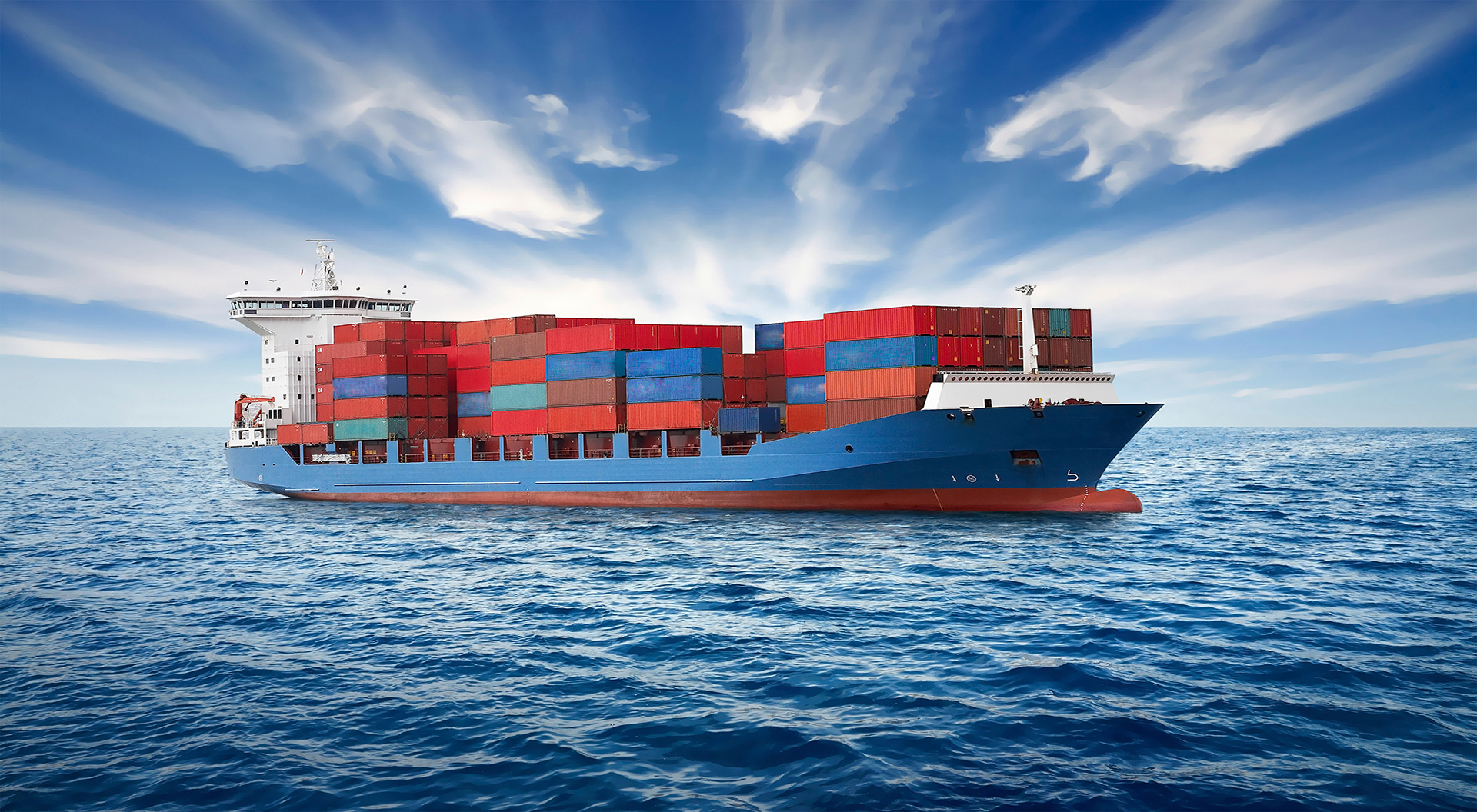
Although Laos has no seaports, sea freight can be used as part of a multimodal logistics solution. DSV-freight arranges ocean shipments from major Chinese ports to regional gateway ports in Southeast Asia, followed by inland transportation to Laos. This shipping method is suitable for large-volume and non-urgent cargo, offering cost advantages for importers who prioritize freight economy over transit speed.
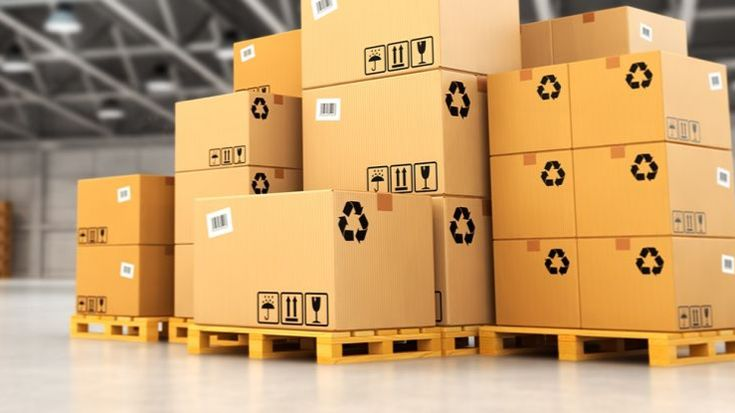
Door-to-door shipping provides a fully integrated logistics solution from origin to destination. DSV-freight handles pickup at factories or warehouses in China, international transportation, export and import customs clearance, and final delivery within Laos. By managing the entire process under one coordination system, this service reduces operational complexity, improves shipment visibility, and ensures smoother cargo movement across borders, especially for inland destinations like Laos.

FCL shipping is suitable for businesses transporting full container loads that require higher cargo security, organized handling, and predictable transportation schedules. DSV-freight provides standard container options and manages factory loading, container sealing, cross-border transportation, and destination coordination in Laos. This shipping mode minimizes cargo handling during transit and is widely used for machinery, construction materials, industrial equipment, bulk commercial goods, and project-based shipments moving from China to Laos.
LCL shipping is designed for smaller shipments that do not require a full container but still need professional international transportation. DSV-freight consolidates multiple shipments at origin, arranges shared container transport through optimized cross-border routes, and coordinates deconsolidation and customs procedures at destination facilities in Laos. This solution helps importers reduce freight costs while maintaining structured cargo handling, compliance support, and reliable delivery from China to Laos.
DSV-freight will provide most fuel efficient pickup service China
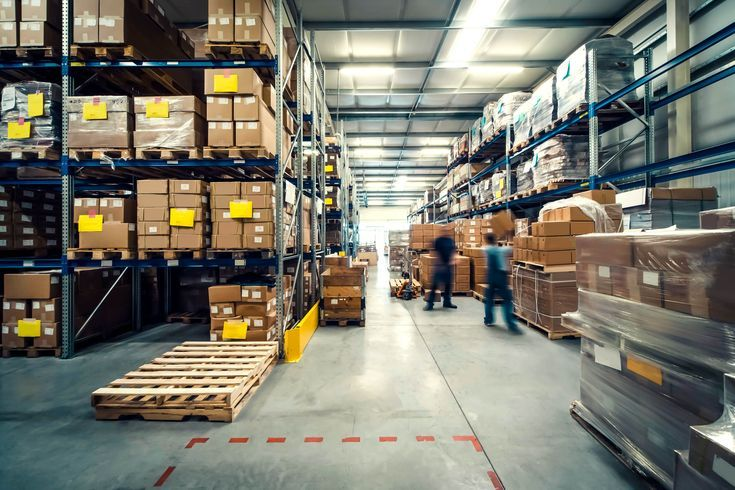
We provide free warehousing services for any of your goods.
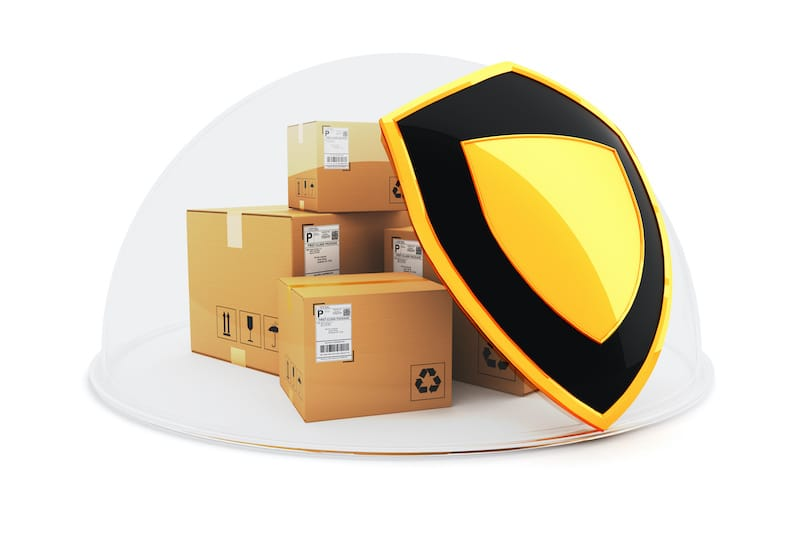
The cargo insurance protects your goods all the way to any Any FBA Warehouse
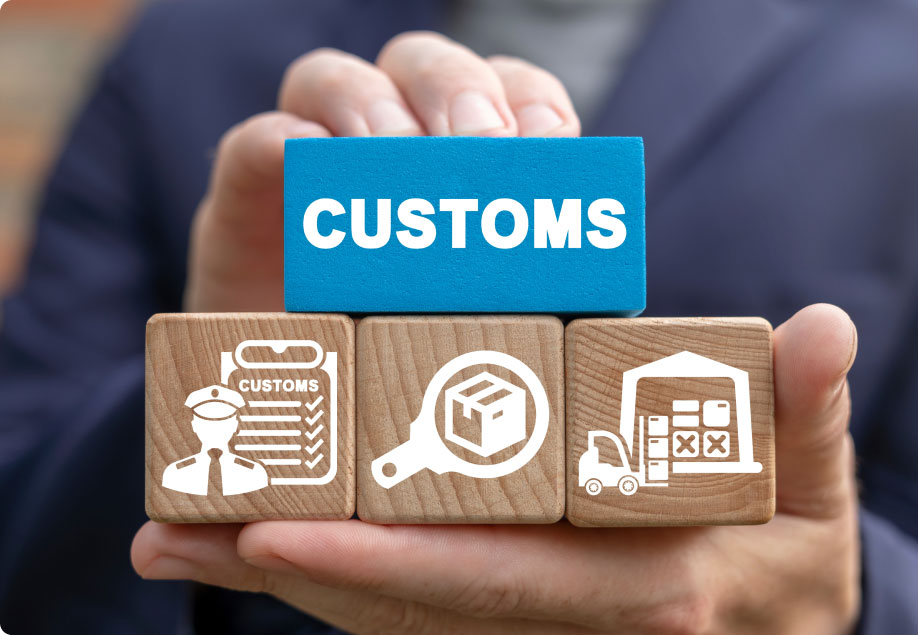
We handle all paperwork and other details for you.

Ensure safe packaging and loading of goods in your suppliers' factory.
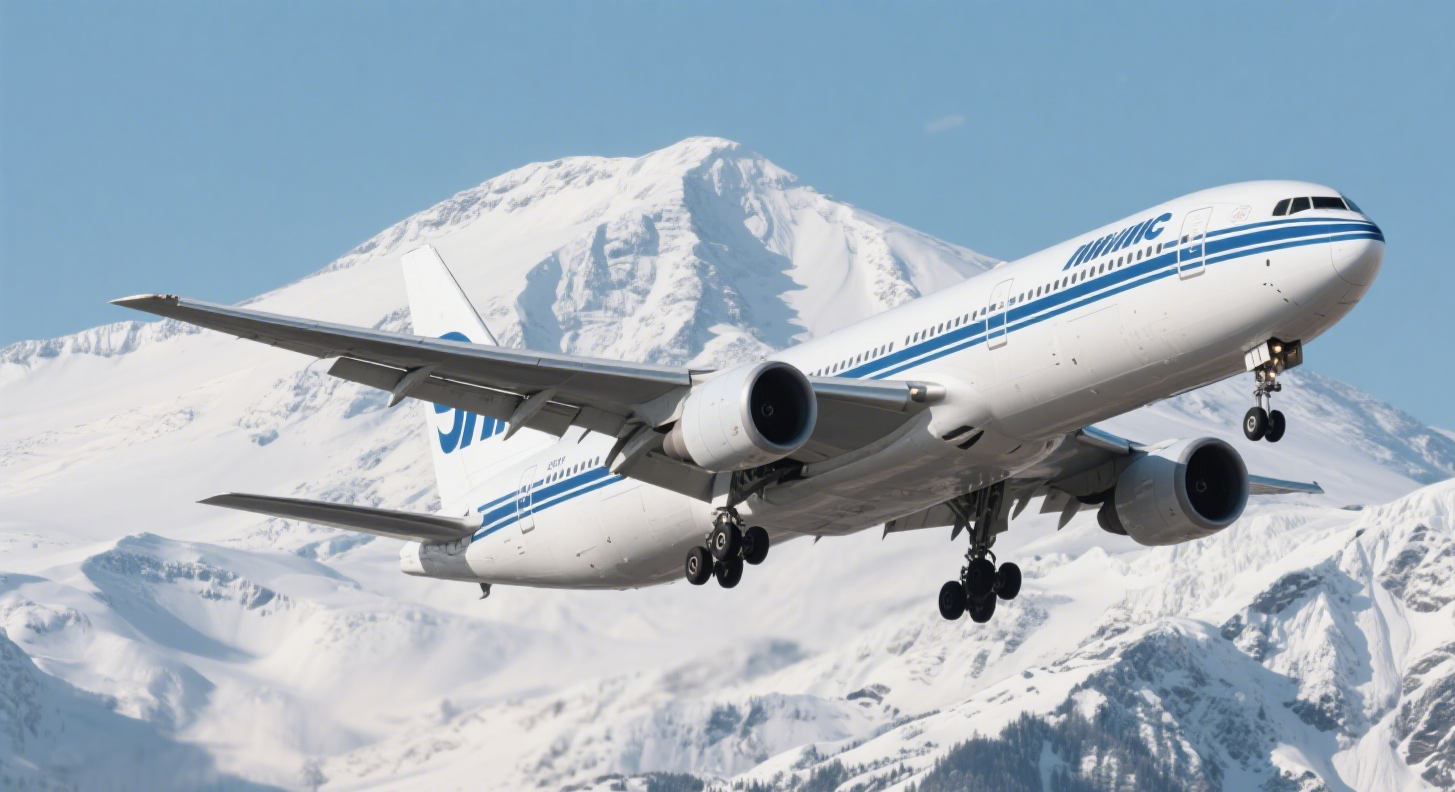
The shipping time from China to Laos depends on factors such as transportation mode, customs clearance efficiency, and logistics provider capabilities. Typically, it ranges from 7 to 14 days for air freight and 15 to 25 days for sea freight.
Businesses can ensure compliance by staying updated with regulatory changes, preparing accurate documentation, working with knowledgeable freight forwarders, and employing customs brokers for efficient processing.
Real-time tracking allows businesses to monitor their shipments' progress, address potential issues promptly, and provide updates to customers, enhancing overall shipment security and reliability.
Insurance coverage protects against financial losses due to damage, theft, or loss during transit, providing peace of mind and ensuring the value of goods is safeguarded.
For fragile items, use bubble wrap, foam inserts, corrugated boxes, and sturdy outer containers to prevent damage during handling and transit.
Businesses can mitigate risks by choosing reliable carriers, planning for alternative routes, scheduling shipments around known weather patterns, and maintaining open communication with logistics providers.
Sealed containers protect goods from theft, tampering, and environmental factors, ensuring the integrity and security of shipments throughout the transportation process.
Proper training ensures that personnel handle goods correctly, follow safety protocols, and respond effectively to emergencies, reducing the risk of accidents and compliance issues.
Common challenges include navigating customs regulations, managing transit times, ensuring proper packaging, and handling unexpected delays or disruptions in the supply chain.
Businesses can improve by regularly reviewing procedures, seeking feedback, staying informed about industry trends, investing in technology, and collaborating with experienced logistics partners.
Operational management involves organizing transport resources, defining clear workflows, and following industry regulations. Depending on regional practices, infrastructure can be owned and operated by public institutions or private companies.
A wide range of available features allows users to manage shipments more efficiently and access essential services with ease. In logistics, feature availability often depends on regional support and operational coverage.
High code quality delivers a stable and responsive system, making daily logistics management smoother while minimizing technical issues and downtime.