
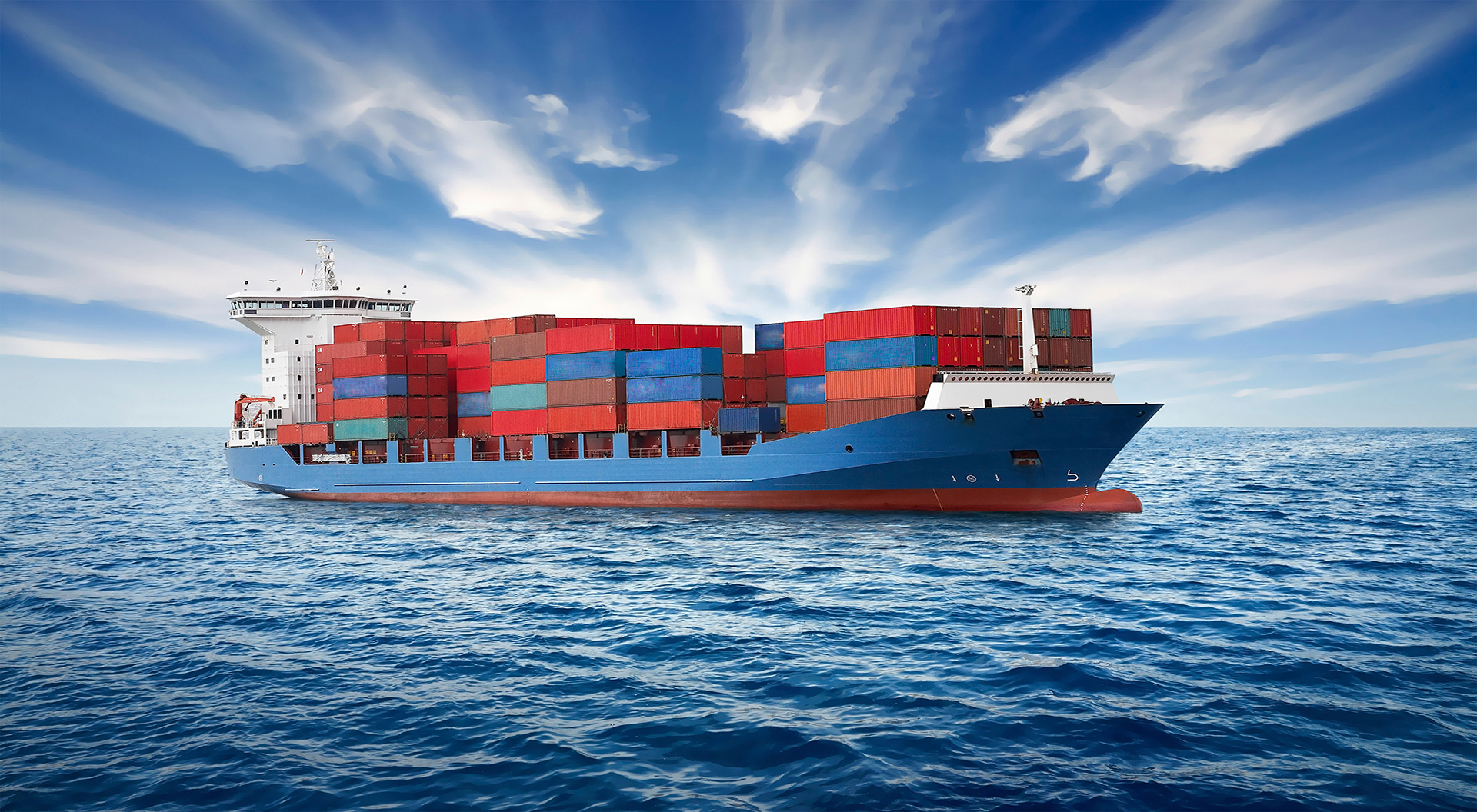
Shipping from China to Honduras involves long-distance international transport combined with Central American regional routing, requiring coordinated planning across multiple logistics stages. DSV-freight plans each shipment based on cargo characteristics, port operations, and delivery priorities rather than fixed transport routes.
From cargo pickup or port intake in China through international transportation, customs coordination, and final delivery in Honduras, DSV-freight manages the entire process as a single logistics flow. This approach improves shipment visibility, reduces unnecessary handling, and helps importers maintain control over cost, transit timing, and cargo safety.
Sea freight is the primary transportation method for cargo moving from China to Honduras, typically routed through regional transshipment ports in the Americas. DSV-freight selects ocean services based on schedule reliability, vessel stability, and cargo requirements to ensure consistent movement. Both full container and consolidated shipments are arranged by DSV-freight, allowing importers to balance freight cost, transit time, and shipment volume while maintaining standardized cargo handling.
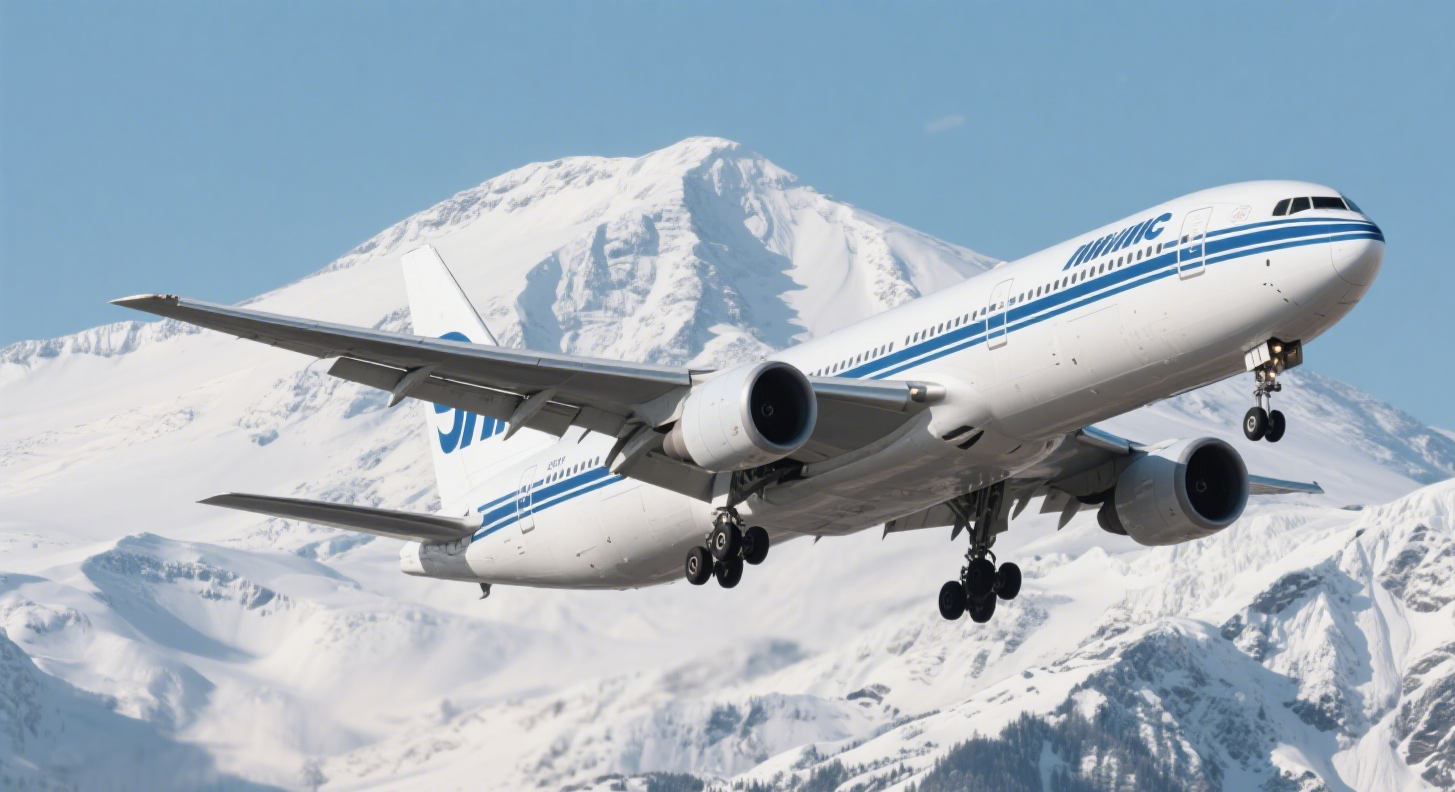
Air freight is suitable for shipments that require faster transit or involve high-value goods. DSV-freight arranges air transport through international aviation hubs with coordinated handling and customs support.
This option is commonly used for electronics, spare parts, medical supplies, samples, and other time-sensitive cargo where delivery speed and reliability are critical.
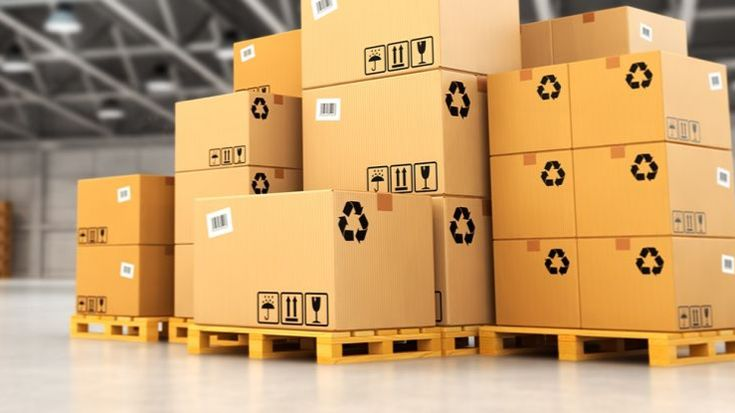
Door-to-door shipping provides a fully coordinated logistics solution covering origin handling, international transportation, customs clearance, and final delivery in Honduras. DSV-freight oversees each transport stage under one operational plan to reduce handover risk.
This service simplifies logistics management, improves schedule predictability, and is suitable for importers seeking end-to-end shipment control without managing multiple service providers.

Full container load shipping is designed for large-volume or heavy cargo requiring exclusive container use. DSV-freight plans container selection and loading based on cargo dimensions, weight distribution, and transport conditions.
This option offers improved cargo security, reduced handling, and better cost efficiency for machinery, construction materials, and bulk commercial goods.
Less-than-container load shipping is suitable for smaller consignments that do not require a full container. DSV-freight consolidates multiple shipments using controlled loading processes and standardized handling procedures.
LCL shipping helps importers manage freight costs while maintaining cargo safety and reliable delivery schedules.
DSV-freight will provide most fuel efficient pickup service China
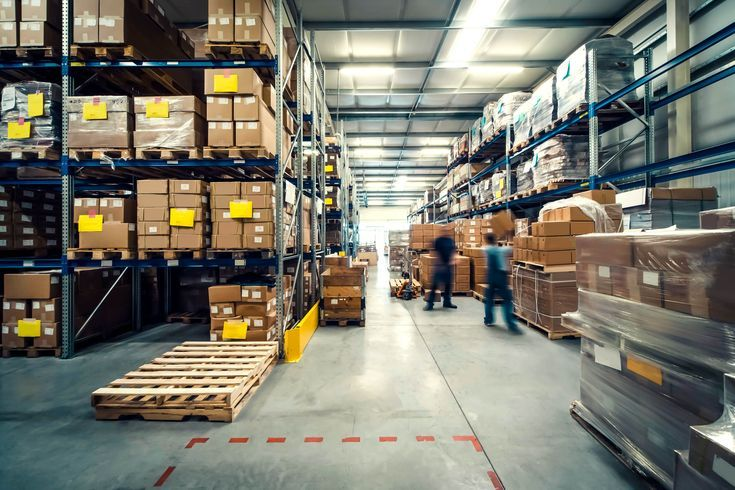
We provide free warehousing services for any of your goods.
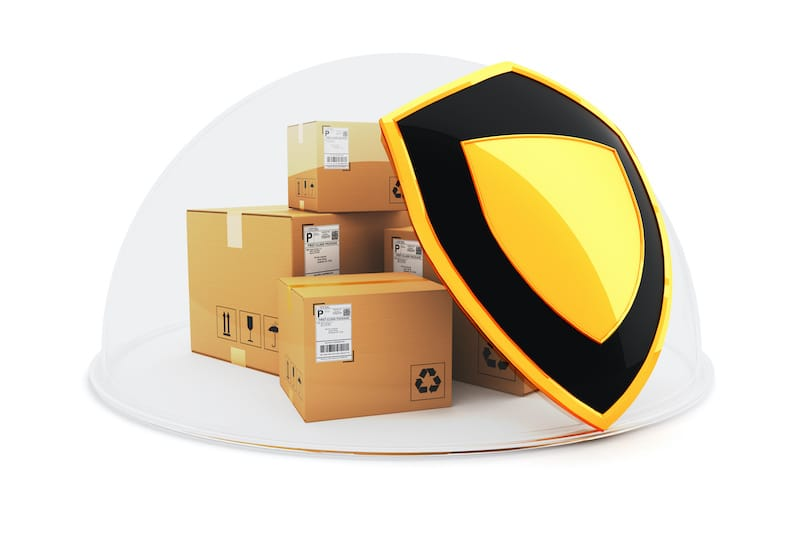
The cargo insurance protects your goods all the way to any Any FBA Warehouse
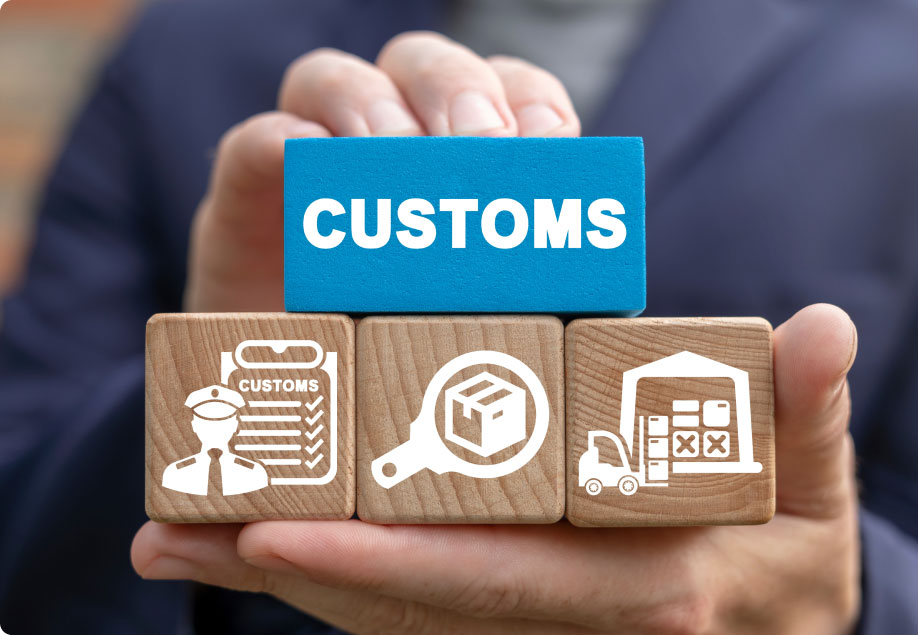
We handle all paperwork and other details for you.

Ensure safe packaging and loading of goods in your suppliers' factory.
The fastest shipping method is air freight, typically taking around 7 to 10 days. Although more expensive, it significantly reduces transit time compared to sea freight.
Sea freight generally takes between 30 and 45 days. This duration can vary based on the specific shipping route, weather conditions, and port handling times.
Common causes of delays include customs inspections, port congestion, adverse weather, and logistics company efficiency. Customs clearance and port waiting times are particularly prone to causing delays.
When selecting a logistics company, consider factors like their reputation, customer service, cost, shipping speed, and their experience with the specific route. Checking reviews and asking for recommendations can also help.
Yes, additional costs may include customs duties, taxes, handling fees, and insurance. It’s important to factor in these potential extra expenses when planning your shipment.
Required documentation typically includes a commercial invoice, packing list, bill of lading, and any necessary customs declarations. Specific requirements may vary based on the type of goods and shipping method.
Yes, most logistics companies provide tracking services that allow you to monitor the status and location of your shipment in real time. You’ll receive a tracking number once your shipment is dispatched.
Customs regulations in Honduras include requirements for import declarations, proof of payment, and compliance with local standards. It’s important to ensure that all documentation is accurate and complete to avoid delays.
To ensure safety, use robust packaging, choose reliable shipping companies, and consider purchasing insurance for high-value items. Proper labeling and adherence to shipping guidelines also contribute to safe transit.
Contact the logistics company to get updates on the status of your shipment. They can provide information on the cause of the delay and estimated delivery time. Keeping in touch with customer service can help resolve issues promptly.
Operational management involves organizing transport resources, defining clear workflows, and following industry regulations. Depending on regional practices, infrastructure can be owned and operated by public institutions or private companies.
High design quality improves both efficiency and user experience by combining clear structure, practical functionality, and a professional visual layout. In logistics services, good design supports smoother operations and better customer interaction.
A wide range of available features allows users to manage shipments more efficiently and access essential services with ease. In logistics, feature availability often depends on regional support and operational coverage.