
China Brazil DDP Shipping with Customs Support: A 2026 Logistics Guide
Navigating the complexities of China Brazil DDP shipping with customs support requires a precise understanding of the Brazilian fiscal environment and the nuances of the Delivered Duty Paid Incoterm. Importers frequently face significant delays and unexpected surcharges due to misclassified HS codes or failures in appointing a compliant Importer of Record (IOR) for the destination market. By partnering with Dsv Freight, businesses can secure a streamlined door-to-door logistics execution that mitigates regulatory risk and ensures predictable landed costs. This guide outlines the essential frameworks for managing duty-inclusive, compliant, and efficient cargo movement across this high-demand trade corridor.

Key Takeaways
A standard 40HQ container provides approximately 65–70 CBM of usable space for palletized general cargo, which is the baseline for calculating DDP landed cost efficiency.
Brazilian customs clearance requires a formal RADAR/Siscomex registration for the importer, with DDP terms necessitating that the seller or their agent manages the IOR process.
Air freight chargeable weight is calculated at 167 kg per CBM; always prioritize high-density packing to minimize the duty-paid landed cost impact on smaller shipments.
DDP shipping cycles from China to Brazil typically span 35–50 days for ocean freight, depending on port congestion at Santos or Navegantes and final-mile trucking capacity.
What Should Buyers Know First About DDP Shipping on This Lane?
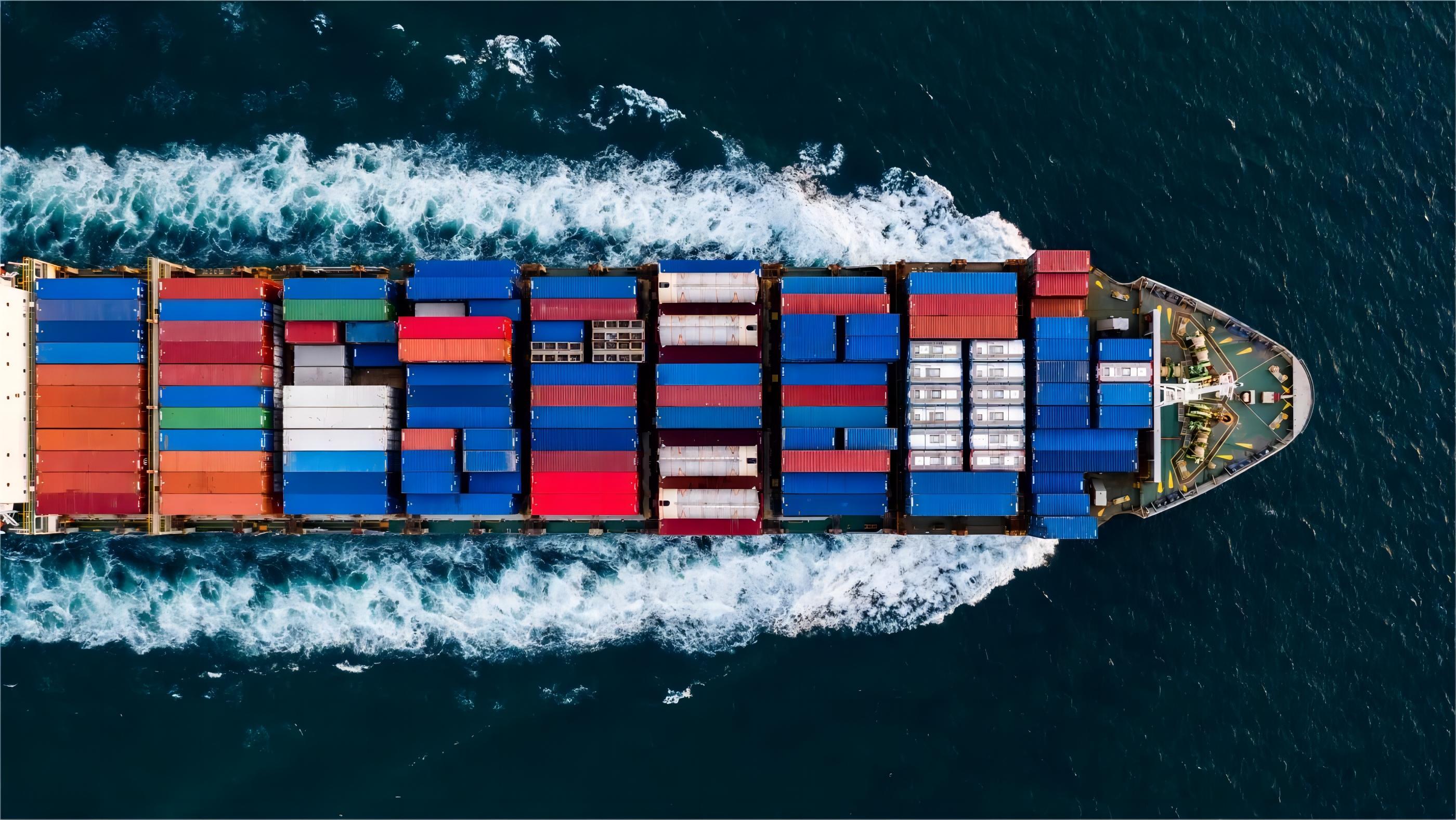
Delivered Duty Paid (DDP) shipping from China to Brazil represents the most comprehensive service level, placing the entirety of transit risk, customs duties, and local taxes on the seller. For buyers, this eliminates the administrative burden of navigating the complex Receita Federal customs environment, provided the forwarder has the local expertise to handle the fiscal requirements. The primary commercial risk involves the valuation of goods, as inaccurate declarations lead to severe administrative penalties and potential cargo seizure by Brazilian customs authorities.
Successful execution begins with a deep understanding of the Brazilian tax structure, specifically the Import Duty (II), Industrialized Products Tax (IPI), and the various state-level taxes like ICMS. Unlike other regions, Brazil’s tax-on-tax methodology significantly impacts the final landed cost, making precise HS code classification the most critical variable in the pre-shipment phase. Buyers should verify that their logistics provider utilizes a transparent, itemized billing structure that separates freight costs from these non-negotiable government levies to ensure total fiscal compliance.
To mitigate exposure, buyers must ensure that their commercial invoices reflect the true market value of the cargo to avoid ‘under-invoicing’ disputes during the customs entry process. A professional logistics partner will audit documentation before the cargo departs from China to ensure every line item matches the packing list and the physical weight. Maintaining this level of rigor at the origin point is the only way to prevent the common pitfalls of port-side holds and re-classification requests that often stall shipments at major Brazilian gateways.
Field note: Focus on tax transparency.
Common mistake: Assuming DDP covers all post-clearance storage.
Risk alert: Customs valuation audits are frequent.
Who Bears Duty, Tax, and IOR Liabilities Under DDP Terms?
Under DDP terms, the seller assumes the role of the party responsible for the Importer of Record (IOR) liabilities, though in practice, this often requires a local legal entity or a specialized customs broker acting on behalf of the forwarder. This arrangement is complex in Brazil because the IOR must be fully registered with the Siscomex system to process import declarations legally. If the seller does not have a Brazilian presence, the forwarder must leverage a local partner to satisfy these statutory requirements and prevent the cargo from being classified as ‘abandoned’ by the port authorities.
The liability for duty and tax payment remains with the seller, but the financial burden is typically amortized into the all-in freight quote provided to the buyer. This creates a friction point if the final duty assessment by the Receita Federal exceeds the initial estimate, necessitating a clear contractual agreement on how such cost variances are reconciled. Buyers should demand a detailed breakdown of the duty calculation during the quoting phase to ensure that no ‘hidden’ administrative fees are masked within the tax line items.
Effective risk management in this area involves ensuring that the Power of Attorney (POA) for customs clearance is correctly executed and that the importer’s Tax ID (CNPJ or CPF) is verified against the official government database. Failure to align these digital credentials with the physical paperwork is a primary cause of entry rejection. By utilizing customs clearance services, exporters can ensure that the duty-paid status is documented in a way that satisfies both the buyer’s accounting needs and the Brazilian tax authorities’ rigorous reporting standards.
| Cost Component | Typical Assessment Base | Who Usually Pays | Planning Note |
|---|---|---|---|
| CIF / customs value | Goods value + freight + insurance (as declared) | Importer of record | Wrong valuation drives duty and VAT/GST miscalc |
| Import duty / tariff | % of customs value by HS chapter | Importer / DDP seller (by Incoterms) | Confirm HS binding before award |
| VAT / GST / sales tax | Duty-paid value (or local statutory base) | Importer / fiscal representative | Registration and reclaim rules vary by market |
| Customs broker / clearance fee | Per entry or per shipment band | Importer / nominating party | Separates from freight; exams add extras |
| Exam / storage / disbursement | Event-driven (exam, demurrage, advance) | Importer / broker client account | Often outside base ocean/truck quote |
Field note: IOR registration is non-negotiable.
Common mistake: Using an invalid CNPJ/CPF.
Risk alert: Non-compliant IOR leads to immediate seizure.
DDP vs DAP vs FOB: Which Trade Term Cuts Your True Landed Cost?

Choosing between DDP, DAP, and FOB requires a strategic assessment of your internal capability to manage Brazilian customs. While FOB (Free on Board) offers the lowest upfront freight cost, it leaves the buyer exposed to the volatility of destination customs clearance and the potential for massive demurrage charges if the entry is delayed. DDP, conversely, shifts this entire burden to the seller, providing the buyer with a ‘landed-cost certainty’ that is invaluable for inventory planning and retail pricing models that require stable margins.
DAP (Delivered at Place) acts as a middle ground, where the seller handles the main-haul transport to the destination but the buyer remains the IOR responsible for customs settlement. For many businesses, DAP is the preferred balance if they have an established local team to handle the technicalities of the Siscomex entry. However, if the buyer lacks this capability, the administrative overhead of DAP can far exceed the premium paid for a full DDP service, especially when factoring in the risk of port-side errors and the lack of expertise in negotiating with local Brazilian authorities.
For high-value or highly regulated goods, DDP is generally the superior choice, as it forces the forwarder to perform a comprehensive compliance audit before the goods ever reach the Brazilian port. This proactive approach prevents the costly ‘stop-and-fix’ cycles that occur when an inexperienced importer tries to clear complex goods under DAP. When evaluating these terms, importers should use logistics consultancy to model the total landed cost over a 12-month period, accounting for both the direct freight rates and the indirect costs of administrative delays under each term.
Field note: Total landed cost is the only metric that matters.
Common mistake: Ignoring the administrative cost of DAP.
Risk alert: Hidden clearing fees in DAP/FOB.
What Transit Timelines and Dwell Windows Apply to DDP Cargo?
Transit timelines for DDP cargo from China to Brazil are highly dependent on the chosen gateway and the efficiency of the customs clearance process at the port of arrival. A standard ocean shipment generally requires 35 to 50 days from port-to-port, but the ‘dwell window’ at the terminal—where the container sits awaiting customs release—can add anywhere from 5 to 15 days depending on the season. During peak periods, congestion at major hubs like Santos can lead to significant delays, necessitating a buffer in the supply chain planning for all DDP operations.
Air freight offers a significantly faster alternative, with door-to-door transit times typically ranging from 7 to 12 days. This mode is increasingly common for high-value electronics, fashion, and urgent spare parts where the capital tied up in the inventory outweighs the higher freight rate. However, air cargo is not immune to customs delays; the documentation must be filed electronically well in advance of the flight’s arrival to ensure that the cargo can be cleared and transferred to a bonded warehouse or directly delivered to the consignee without prolonged storage.
To maintain control over these timelines, shippers must receive real-time updates on milestones such as ‘vessel arrival,’ ‘entry submitted,’ and ‘customs release.’ Utilizing freight tracking tools provides the transparency needed to identify bottlenecks before they evolve into systemic delays. When planning, always account for local holidays in Brazil, which can cause sudden, total cessations of customs activity, potentially leaving cargo trapped in a bonded zone for several days without the possibility of movement.
| Milestone | Typical Window | Owner | Delay Risk if Missed |
|---|---|---|---|
| Origin pickup / CY gate-in | T-5 to T-2 days before ETD | Shipper / drayage | Rolled booking & demurrage at origin |
| Border / port arrival | Mode-specific ETA band | Carrier / broker | Detention & storage accrual |
| Customs release | 24–72h after arrival (mode-dependent) | Licensed broker | Terminal hold & delivery slip |
| Final delivery appointment | Within free-time window | Consignee / carrier | Driver detention & re-delivery fees |
Field note: Always add a 10-day buffer for customs.
Common mistake: Ignoring Brazilian national holidays.
Risk alert: Port congestion at Santos.
How Are All-Inclusive DDP Rates and Duty Surcharges Built?
The construction of an all-inclusive DDP rate is a multi-layered financial process that incorporates ocean or air freight, destination handling charges, inland drayage, and the estimated duty/tax burden. Forwarders calculate these rates by analyzing the HS-code-specific duty percentages, the IPI/ICMS tax rates applicable to the destination state, and the current fuel and bunker adjustment factors. A robust quote will explicitly list these components, ensuring the buyer understands exactly what portion of the price is government tax versus operational freight cost.
One of the most complex aspects of this build is the ‘Duty Surcharge,’ which covers the administrative costs of the customs broker and the IOR filing fees. Because these costs are often variable, professional providers will use a ‘fixed-plus-variable’ model where the freight is locked, but the taxes are adjusted based on the official customs receipt upon arrival. This transparency protects both the seller and the buyer from market fluctuations and ensures that both parties are paying the exact amount required by the state, rather than an inflated estimate.
Buyers should be wary of quotes that present a single, opaque ‘landed cost’ figure without a breakdown of the specific tax liabilities included. A professional logistics provider will provide a clear estimate of the duty-to-value ratio, allowing the buyer to verify the accuracy of the HS codes used. By insisting on this level of detail, shippers can avoid the risk of retroactive tax audits and ensure that their landed cost reflects the actual market conditions and legal obligations of importing into the Brazilian market.
Field note: Demand tax-to-freight split in all quotes.
Common mistake: Accepting ‘lump-sum’ landed cost quotes.
Risk alert: Hidden markups on duty payments.
What Documents and Filings Are Mandatory Under DDP?
The mandatory documentation for DDP shipments to Brazil is extensive, requiring absolute precision to satisfy the Receita Federal. The foundational document is the Commercial Invoice, which must be accompanied by a detailed Packing List and the Bill of Lading (or Air Waybill). These documents must be perfectly aligned in terms of weight, volume, and declared value; even minor discrepancies between the shipping documents and the physical cargo can trigger a mandatory customs exam, resulting in significant delays and additional storage costs.
Beyond the standard shipping documents, the importer must provide the necessary fiscal documentation, including the CNPJ/CPF of the consignee and the specific RADAR/Siscomex registration details. For certain categories of goods, additional import licenses or certificates of origin may be required to qualify for preferential duty rates or to satisfy sanitary and biosecurity regulations. A forwarder acting as the DDP orchestrator must verify that these licenses are active and valid long before the cargo arrives at the Brazilian port to prevent a ‘no-entry’ situation.
Maintaining a digitized document library is the best practice for ensuring compliance across multiple shipments. Using industry resources and professional guidance to keep track of changing regulation is essential. Each entry must be supported by a comprehensive ‘evidence pack’ that includes the proof of tax payment, the customs release note, and the final delivery receipt. This documentation is not only required for the immediate shipment but is also critical for future tax audits, where the importer must prove that all duties were paid in full and correctly calculated.
| Document / Filing | Submission Window | Responsible Party | Clearance Impact |
|---|---|---|---|
| Customs Import Declaration | Prior to cargo discharge | Licensed Broker / Consignee | Terminal demurrage |
| Commercial Invoice & Packing List | Before vessel departure | Shipper / Exporter | Documentation hold |
| Master / House Bill of Lading | Post-departure confirmation | Freight Forwarder | Release freeze |
| Certificate of Origin (if req) | Prior to import duty assessment | Chamber of Commerce | Loss of tariff relief |
Field note: Digital document archiving is mandatory.
Common mistake: Mismatched weight on BL vs Invoice.
Risk alert: Customs exam due to paperwork errors.
What Is the Step-by-Step DDP Workflow from Supplier to Door?
The DDP workflow begins with origin consolidation, where multiple supplier lots are inspected, palletized, and staged for export. During this phase, the freight forwarder verifies the packing list against the commercial invoice to ensure the HS codes are accurate and the declared value is defensible. Once the cargo is ready, the export declaration is filed with the Chinese authorities, and the shipment is cleared for the main-haul transit. This step is critical because any errors made at the point of origin will propagate through the entire logistics chain.
Upon arrival in Brazil, the process shifts to the ‘Destination Duty-Paid Clearance’ phase. The customs broker submits the import declaration through the Siscomex system, and the forwarder pays the necessary duty and tax amounts to the Receita Federal. Once the customs release is secured and the cargo is pulled from the bonded zone, it is transferred to a local transport partner for final-mile door delivery. This hand-off must be managed with strict coordination to avoid any gaps where the cargo remains ‘unprotected’ or subject to additional transit-related surcharges.
The final steps involve the reconciliation of the duty receipts against the initial quote and the closure of the shipment file. The forwarder provides the importer with a complete set of stamped customs documents as proof of legal entry and tax settlement. By following this structured standard operating procedure, businesses can ensure that every DDP shipment is handled with the same level of compliance and transparency, regardless of the volume or frequency, allowing for a predictable and scalable supply chain operation.
Field note: Pre-shipment audit is the most critical step.
Common mistake: Neglecting origin-side cargo verification.
Risk alert: Incomplete documentation at port hand-off.
Decision Framework
By volume: Under 2 CBM often fits DDP air/express; 2–15 CBM favors DDP LCL with seller-side clearance; 15+ CBM may warrant DDP FCL when duty-paid door delivery is required.
By speed: Urgent door delivery under 7 days may require DDP air; standard replenishment runs on 25–40 day DDP ocean with tax/duty prepaid before last-mile.
By cargo profile: High-duty HS chapters and regulated goods need IOR-ready commercial invoices; standard carton cargo still requires accurate declared value for duty calculation.
Real-World Corridor Case Studies
An importer moved mixed cartons on a scoped international lane. The forwarder aligned commercial invoice, packing list, and the destination national import declaration before mainhaul departure.
A distributor routed equipment components with early broker coordination so destination release and final-mile delivery stayed inside free-time windows.
DDP Execution Plan: Duty-Paid Door Delivery in 2026
Reliable China Brazil DDP shipping hinges on IOR clarity, declared-value accuracy, and prepaid duty settlement. By prioritizing compliance at the origin and selecting a forwarder with deep local expertise in Brazil’s Receita Federal processes, importers can effectively neutralize the risks associated with this complex corridor.
Treat customs liability and last-mile delivery as one locked workflow—not separate afterthoughts. When you treat the logistical process as an integrated compliance exercise, you secure the landed-cost predictability that is essential for long-term growth in the Brazilian market.
Process and Checkpoints
Origin Consolidation & Cargo Intake
Collect multi-supplier lots, verify packing lists, and stage cargo for export under DDP scope.
Export Customs Declaration
File China export declaration with commercial invoice, packing list, and HS codes aligned to declared value.
Mainhaul Transit
Move freight on booked air or ocean service with DDP liabilities retained by seller/forwarder.
Destination Duty-Paid Clearance
Act as or appoint IOR, pay duties/taxes, and secure customs release before last-mile dispatch.
Bonded Hand-off & Tax Settlement
Reconcile duty receipts, release holds, and confirm tax settlement against the commercial invoice.
Final-Mile Door Delivery
Deliver duty-paid cargo to the consignee door and close the DDP shipment file.
Confirm the right route for your shipment
Need an all-inclusive DDP quote? Share commercial invoice value, HS codes, gross weight, CBM, and destination zip/Tax ID for a duty-paid door proposal.
Request a route reviewFrequently Asked Questions
What is the Importer of Record (IOR) role under DDP door delivery?
The IOR is legally responsible for entry filings, duties, and compliance; without one, cargo can be seized.
Which fees are often excluded from headline DDP quotes?
Customs exams, liftgate/residential delivery, and storage during tax review frequently sit outside base DDP.
How does HS code misclassification change the all-in DDP duty line?
Wrong HS chapters can raise duty rates materially and trigger amendments, exams, or bond issues.
When should buyers request a continuous bond instead of single-entry bonds?
High-frequency or high-value importers usually need a continuous bond to avoid per-shipment shortfalls.
What happens if destination customs holds a DDP shipment for exam?
Exam fees plus yard or rail-terminal storage accrue until release—even when freight and duties were prepaid under DDP.
How can shippers control demurrage, detention, or terminal storage after a customs hold?
Pre-lodge entry data, keep HS/value packs audit-ready, and escalate broker responses inside free time before last-mile trucks are dispatched.
Rates and surcharges fluctuate; request an itemized quote.
Informational only; not binding legal/tax/customs advice.
Benchmarks reflect standard 2026 practice for this corridor.