
China DDP Turkey Shipping: A 2026 Operational Guide for Importers
Key Procurement Takeaways
- 40HQ containers typically accommodate 65-70 CBM of dense cargo to ensure safe transport and efficient loading.
- Importer of Record (IOR) status must be clarified before the commercial invoice is finalized to avoid customs holds.
- Duty-paid clearance requires the full settlement of VAT and customs levies before the cargo is released for final-mile drayage.
- Air freight chargeable weight is calculated as the greater of actual weight or volumetric weight (L x W x H cm / 6000).
- Standard DDP ocean transit times range between 25-40 days depending on port congestion and vessel rotation.
What Should Buyers Know First About DDP Shipping on This Lane?
DDP (Delivered Duty Paid) shipping on the China-to-Turkey trade lane requires the seller to assume absolute liability for import clearance, duty payments, and final-mile delivery. Buyers must understand that this term shifts the burden of customs compliance entirely to the shipper or their appointed freight door-to-door agent. Use Air Freight when the commercial window cannot wait for ocean transit.
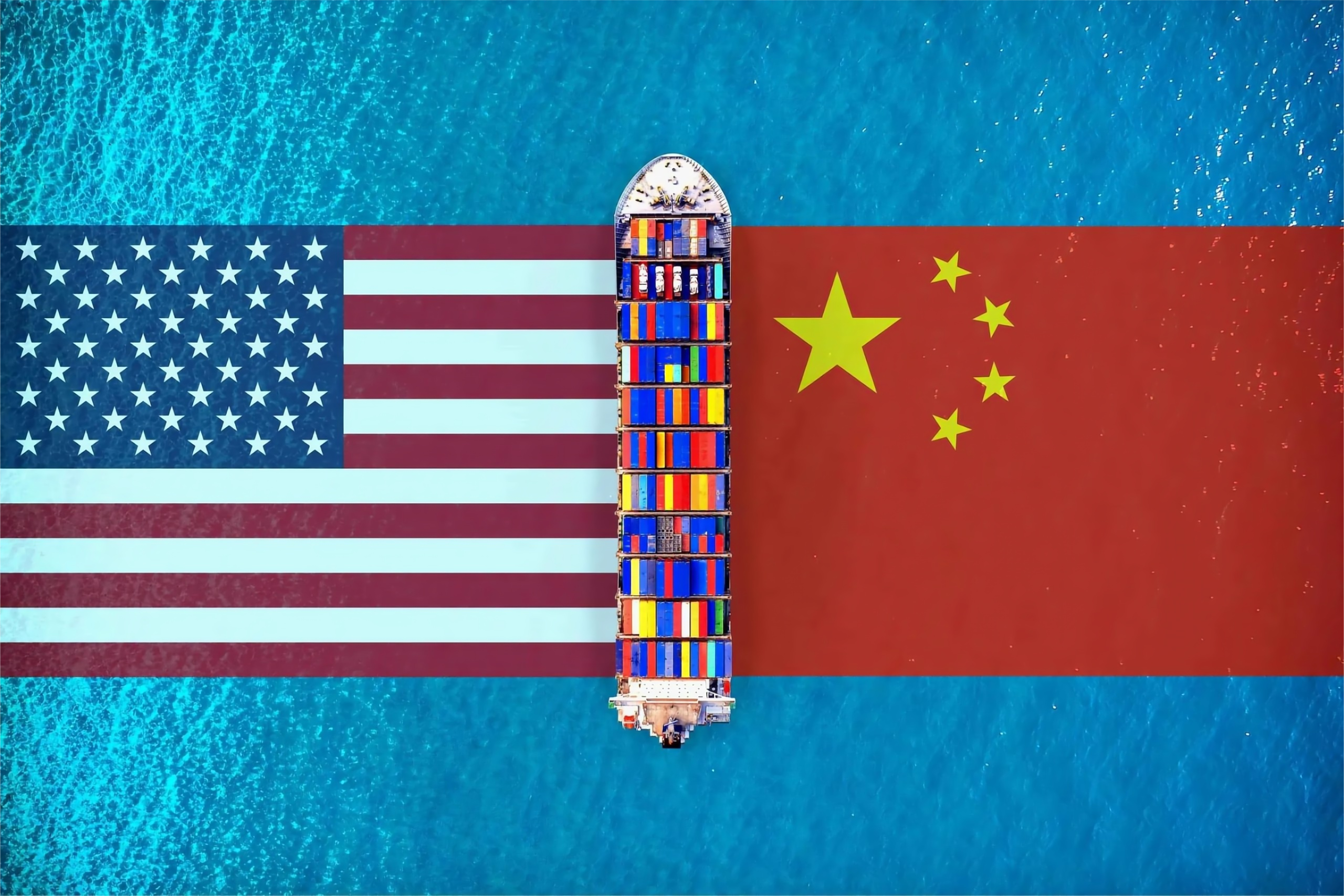
Success in this model depends on the accuracy of the commercial invoice and the transparency of the duty calculation. Unlike other terms, DDP eliminates the risk of unexpected destination fees for the buyer, provided the valuation is correctly declared.
Moreover, the seller must ensure that the customs brokerage partner has the capacity to handle Turkish import regulations and VAT payments efficiently.
Who Bears Duty, Tax, and IOR Liabilities Under DDP Terms?
Under DDP terms, the seller is legally responsible for acting as, or appointing, the Importer of Record (IOR) and settling all applicable duties and Value Added Tax (VAT) in Turkey. This arrangement ensures that the buyer receives goods that are fully cleared and ready for immediate consumption or sale.
However, the seller must have a robust mechanism for duty prepayment. If the forwarder or customs broker is not properly funded, the shipment will face significant delays at the port of entry.
Furthermore, any misclassification of goods leading to higher duties remains the financial responsibility of the seller, not the buyer. See door-to-door for options that match this corridor.
DDP vs DAP vs FOB: Which Trade Term Cuts Your True Landed Cost?
DDP is the most comprehensive trade term, offering total cost certainty by bundling duty and tax into the initial freight quote, whereas DAP and FOB leave the buyer exposed to variable destination charges and administrative fees. For businesses seeking a predictable landed cost, DDP is the industry standard for risk mitigation.
FOB, in contrast, requires the buyer to manage the entire import process, including freight insurance, international transit, and Turkey-specific customs clearance. While FOB may appear cheaper on a base rate, the hidden costs of managing local logistics often exceed the premium paid for DDP.
Choosing the right term balances the need for administrative control against the desire for financial predictability. See customs brokerage for options that match this corridor.

Illustrative Shipment Snapshots
Key metrics only — labeled illustrative scenarios for this corridor.
Electronics Consolidation – Shenzhen to Istanbul
A medium-sized importer moved 20 CBM of electronics via LCL. Friction arose due to an incorrect HS code, causing a customs hold.
Urgent Medical Components – Shanghai to Ankara
A client required 500kg of critical components via air. We handled the IOR status and pre-cleared the cargo to prevent airport dwell.
What Transit Timelines and Dwell Windows Apply to DDP Cargo?
Transit timelines for China to Turkey DDP shipments vary by mode, with ocean freight typically requiring 25 to 40 days and air freight offering rapid 3 to 7-day arrivals. These estimates include standard dwell windows for customs clearance and port handling, which can be extended during peak seasons.
For ocean shipments, the dwell time at the Turkish port is a critical factor in the total lead time. Efficient sea freight operators use pre-clearance protocols to minimize these windows.
Conversely, air freight requires precise documentation to ensure that the cargo does not get stuck in airport warehouses, which can accrue high daily storage fees.
| Mode | Transit (days) | Cut-off focus | Best for |
|---|---|---|---|
| Ocean LCL / CFS | 28–42 | CFS receiving | Multi-supplier cargo |
| Ocean FCL buy-out | 22–35 | CY gate-in | >15 CBM |
| Air freight | 3–8 | Airline cut-off | Urgent replenishment |
| Sea-air hybrid | 12–20 | Mode switch | Balanced cost/speed |
How Are All-Inclusive DDP Rates and Duty Surcharges Built?
All-inclusive DDP rates are constructed by aggregating the origin freight, international transit costs, and the estimated Turkish duty and VAT based on the declared commercial value. Forwarders calculate these rates using the HS code, which determines the specific duty percentage applied to your goods.
The duty surcharge component is often the most volatile, as it fluctuates with exchange rates and changes in trade policy. A reliable partner will provide a transparent breakdown of how these costs are derived to avoid invoice surprises.
Finally, the rate must account for last-mile drayage, which is the cost of transporting the cleared container or pallet to your final destination in Turkey.
What Documents and Filings Are Mandatory Under DDP?
Mandatory filings for DDP shipments include a detailed commercial invoice, a packing list, and the transport document, such as an Air Waybill (AWB) or Bill of Lading (B/L). These documents must accurately reflect the value and nature of the goods to enable accurate duty assessment.
Failure to provide these documents in time results in customs delays and potential fines. All documents must be consistent, as discrepancies between the invoice and the packing list can trigger a manual inspection.
Furthermore, the IOR must ensure that all security filings required by Turkish authorities are transmitted well before the vessel or aircraft arrives.
What Is the Step-by-Step DDP Workflow from Supplier to Door?
The DDP workflow begins with origin consolidation, where the freight forwarder verifies the packing list against the commercial invoice. Once the goods are ready, they are declared for export and loaded onto the mainhaul transport vessel or aircraft.
Upon arrival in Turkey, the import customs entry is filed, and the duties and taxes are paid by the designated IOR. After the cargo is released by customs, it is transferred to the final-mile carrier for delivery to the recipient.
This end-to-end process is designed to ensure that the consignee receives their goods without needing to interact with customs authorities.
How Do You Avoid Hidden Surcharges and Misclassification on DDP?
Avoiding hidden surcharges requires an itemized quote that clearly separates freight from duty and tax, ensuring that no administrative fees are added post-facto. Misclassification is prevented by verifying HS codes against the official Turkish tariff schedule before the shipment leaves China.
Many importers fall into the trap of accepting a low freight rate that excludes destination handling, only to be charged significant fees upon arrival. Therefore, it is critical to confirm that the DDP quote covers all port handling and terminal charges.
Additionally, maintain clear communication with your logistics provider to ensure that any changes in the cargo profile are immediately reflected in the customs documentation.
Decision Framework
Under 2 CBM often fits DDP air/express; 2–15 CBM favors DDP LCL with seller-side clearance; 15+ CBM may warrant DDP FCL when duty-paid door delivery is required.
Urgent door delivery under 7 days may require DDP air; standard replenishment runs on 25–40 day DDP ocean with tax/duty prepaid before last-mile.
High-duty HS chapters and regulated goods need IOR-ready commercial invoices; standard carton cargo still requires accurate declared value for duty calculation.
DDP Execution Plan: Duty-Paid Door Delivery in 2026
Reliable China DDP Turkey Shipping hinges on IOR clarity, declared-value accuracy, and prepaid duty settlement on China DDP Turkey Shipping.
Treat customs liability and last-mile delivery as one locked workflow—not separate afterthoughts.
Standard Operating Logistics Workflow
Origin Consolidation & Cargo Intake
Collect multi-supplier lots, verify packing lists, and stage cargo for export under DDP scope.
Export Customs Declaration
File China export declaration with commercial invoice, packing list, and HS codes aligned to declared value.
Mainhaul Transit (Air/Ocean)
Move freight on booked air or ocean service with DDP liabilities retained by seller/forwarder.
Destination Duty-Paid Clearance
Act as or appoint IOR, pay duties/taxes, and secure customs release before last-mile dispatch.
Bonded Hand-off & Tax Settlement
Reconcile duty receipts, release holds, and confirm tax settlement against the commercial invoice.
Final-Mile Door Delivery
Deliver duty-paid cargo to the consignee door and close the DDP shipment file.
Need a Customized Quote?
Need an all-inclusive DDP quote? Share commercial invoice value, HS codes, gross weight, CBM, and destination zip/Tax ID for a duty-paid door proposal.
Get Instant Quote