
China Freight Forwarder Mexico Sea Freight FCL: 2026 Guide
China freight forwarder mexico sea freight fcl services provide the most reliable and cost-effective method for transporting large volumes of goods across the Pacific. Navigating the complex logistics of international trade requires a partner like DSV-Freight to ensure your supply chain remains efficient and resilient. Consequently, businesses can focus on growth while professionals manage the intricate details of container booking and port coordination. This comprehensive guide explores everything you need to know about optimizing your FCL shipments in 2026.

How Does China Freight Forwarder Mexico Sea Freight FCL Compare to Other Shipping Options?
Choosing the right shipping method is a critical decision that impacts both your bottom line and your delivery schedule. While sea freight remains the dominant choice for trans-Pacific trade, understanding the alternatives ensures you make an informed choice. For instance, Full Container Load (FCL) offers exclusive use of a container, which reduces handling and potential damage compared to Less than Container Load (LCL).
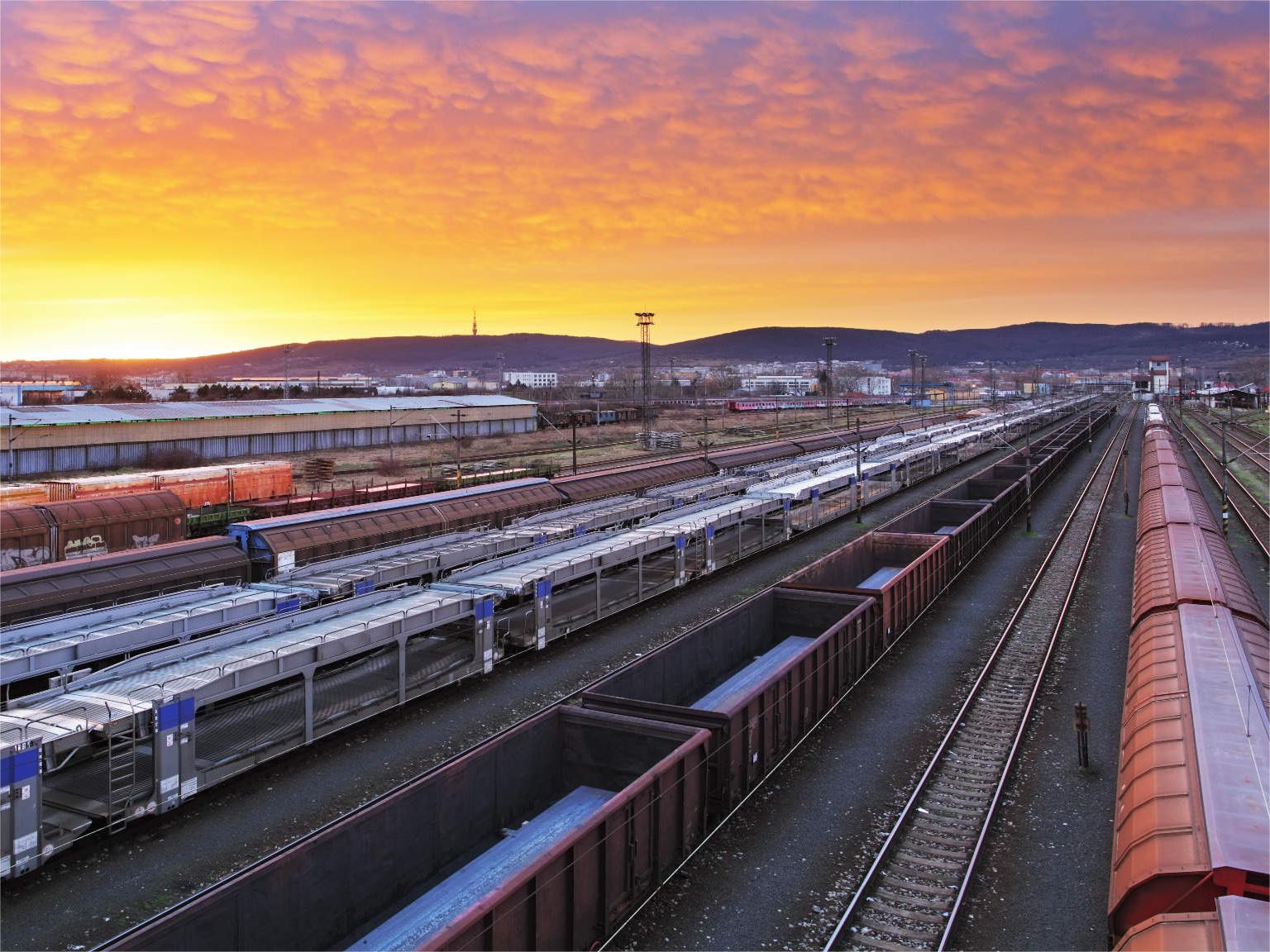
Meanwhile, air freight provides unmatched speed but comes at a significantly higher price point. Therefore, most high-volume importers prioritize FCL for its balance of security and affordability. Below is a detailed comparison of the primary shipping methods available for the China to Mexico route in 2026.

| Shipping Method | Cost Range (USD) | Transit Time | Best For |
|---|---|---|---|
| Sea Freight FCL | $2,500 – $4,800 | 22 – 35 Days | Bulk goods, high volume |
| Sea Freight LCL | $50 – $120 per CBM | 30 – 45 Days | Small shipments |
| Air Freight | $5.50 – $9.00 per kg | 5 – 9 Days | Urgent, high-value items |
| Sea-Air Hybrid | $3.00 – $5.00 per kg | 15 – 20 Days | Balanced speed and cost |
Which Option Should You Choose for Mexico Shipments?
Selecting the ideal method depends heavily on your specific business priorities and cargo characteristics. If your primary goal is budget optimization, FCL is almost always the superior choice for shipments exceeding 15 cubic meters. Additionally, FCL provides a faster transit time than LCL because it avoids the time-consuming consolidation and deconsolidation processes at the ports.
Speed-oriented businesses might consider air freight for seasonal peaks or urgent inventory restocks. However, the environmental impact and cost of air transport make it less sustainable for long-term bulk logistics. Most established importers in North America utilize a mix of FCL for base stock and air for emergencies.
Volume Thresholds for FCL
Typically, once your cargo volume reaches 13 to 15 cubic meters, paying for a full 20-foot container becomes cheaper than paying for LCL space. Furthermore, the security of a sealed container is invaluable for sensitive electronics or machinery. Consequently, savvy logistics managers monitor their order volumes to hit these FCL thresholds whenever possible.
Major Ports and Routes for China Freight Forwarder Mexico Sea Freight FCL
Efficient routing is the backbone of successful international logistics. China’s massive port infrastructure, including Shanghai, Ningbo, and Shenzhen, offers daily departures to Mexico’s Pacific coast. Indeed, the Port of Manzanillo serves as the primary gateway for goods entering Central Mexico and the capital city.
Lazaro Cardenas is another vital hub that handles significant volumes of automotive parts and industrial equipment. Moreover, choosing the right port of loading in China can save several days of inland transit time. For example, if your factory is in Guangdong, shipping from Yantian or Shekou is far more logical than trucking goods to Shanghai.
| China Port | Mexico Port | Direct/Transship | Est. Transit Time |
|---|---|---|---|
| Shanghai | Manzanillo | Direct | 22 – 26 Days |
| Ningbo | Lazaro Cardenas | Direct | 24 – 28 Days |
| Shenzhen | Manzanillo | Direct | 20 – 25 Days |
| Qingdao | Veracruz | Transship (Panama) | 35 – 42 Days |
Cost Factors and 2026 Pricing Trends
Freight rates in 2026 have stabilized following the volatility of previous years, yet they remain subject to seasonal fluctuations. Specifically, the period leading up to the Chinese New Year and the Q3 peak season usually sees a 15% to 25% increase in container prices. Additionally, fuel surcharges and port congestion fees can impact the final landed cost of your goods.
Working with a professional door to door service provider helps in locking in competitive rates through long-term carrier contracts. Furthermore, understanding the difference between 20GP, 40GP, and 40HQ containers allows you to maximize space utilization. Note: Freight rates are subject to change based on fuel costs, carrier capacity, and seasonal demand. Contact us for a current quote tailored to your specific shipment.
| Container Type | Capacity (CBM) | Max Weight (KG) | 2026 Rate Range |
|---|---|---|---|
| 20GP | 33 CBM | 28,000 | $2,200 – $3,100 |
| 40GP | 67 CBM | 26,000 | $3,400 – $4,500 |
| 40HQ | 76 CBM | 26,000 | $3,800 – $5,200 |
Essential Customs Documentation for Mexico Import Success
Navigating Mexican customs requires precision and a deep understanding of local regulations. Failure to provide accurate documentation can lead to costly delays or even cargo seizure at the port of entry. Therefore, engaging an expert in customs brokerage is highly recommended for all first-time and veteran importers alike.
Key documents include the Commercial Invoice, Packing List, and the Bill of Lading. In addition, certain products may require a Certificate of Origin to qualify for preferential tariff treatments under various trade agreements. Meanwhile, ensuring your HS codes are correctly classified is the most important step in avoiding fines during the inspection process.
Real-World Case Studies: China to Mexico FCL
Examining real-world scenarios provides valuable insight into the practicalities of international shipping. These cases reflect actual market conditions as of early 2026 and highlight the importance of strategic planning. Every shipment presents unique challenges, from port congestion to documentation hurdles, which a skilled forwarder must navigate.
Below are two detailed examples of FCL shipments successfully managed from major Chinese manufacturing hubs to Mexican industrial centers. These examples illustrate the total landed cost and timeline expectations for different container types and commodities.
Case Study 1: Electronics from Shenzhen to Manzanillo
Route: Shenzhen, China to Manzanillo, Mexico. Cargo: Consumer Electronics, 68 CBM, 12,500 kg. Container: 40HQ. Shipping Details: Direct service via COSCO. Port of Loading: Yantian. Port of Discharge: Manzanillo. Cost Breakdown: Ocean Freight: $4,200; Origin Charges: $450; Destination Charges: $600; Customs & Duties (estimated): $5,500; Total Landed Cost: $10,750. Timeline: Booking to Loading: 4 days; Sea Transit: 23 days; Customs Clearance: 3 days; Total Door-to-Door: 30 days. Key Insight: Early booking during the pre-Golden Week rush secured a lower rate before the seasonal spike.
Case Study 2: Auto Parts from Ningbo to Lazaro Cardenas
Route: Ningbo, China to Lazaro Cardenas, Mexico. Cargo: Industrial Auto Parts, 28 CBM, 18,000 kg. Container: 20GP. Shipping Details: Direct service via MSC. Port of Loading: Ningbo. Port of Discharge: Lazaro Cardenas. Cost Breakdown: Ocean Freight: $2,400; Origin Charges: $400; Destination Charges: $550; Customs & Duties (estimated): $3,800; Total Landed Cost: $7,150. Timeline: Booking to Loading: 5 days; Sea Transit: 26 days; Customs Clearance: 4 days; Total Door-to-Door: 35 days. Key Insight: Proper weight distribution within the 20GP container prevented additional heavy-lift surcharges at the destination.
Mastering Your China to Mexico FCL Logistics
Successfully managing a china freight forwarder mexico sea freight fcl operation requires a blend of local knowledge and global reach. By understanding the nuances of port selection, container types, and customs regulations, businesses can significantly reduce their overhead costs. Furthermore, the stability of FCL shipping makes it the bedrock of any serious import-export business in 2026.
To summarize, while the logistics landscape continues to evolve, the fundamentals of sea freight remain constant. Relying on professional expertise and staying informed about market trends will ensure your business remains competitive in the Mexican market. Start planning your next shipment today to take advantage of current market rates and capacity.

Need a tailored shipping solution?
Streamline your supply chain today by partnering with a dedicated china freight forwarder mexico sea freight fcl specialist. Our team provides transparent pricing and end-to-end support to ensure your cargo arrives safely and on time. Contact us now to request a personalized quote and optimize your 2026 shipping strategy. Send Inquiry: info@dsv-freight.com