
China to Canada Shipping Bulk Cargo: The 2025 Logistics Guide
Managing the complexities of China to Canada shipping bulk cargo requires a strategic approach to global logistics and supply chain management. Businesses must navigate fluctuating freight rates, port congestion, and strict Canadian customs regulations to ensure timely delivery. By partnering with an experienced logistics provider like DSV-Freight, importers can streamline their operations and reduce overhead costs significantly. This comprehensive guide provides the essential data and strategies needed to optimize your bulk cargo shipments across the Pacific.
What are the Primary Methods for China to Canada Shipping Bulk Cargo?
Shipping bulk cargo typically involves two main categories: dry bulk and liquid bulk, often transported via specialized vessels or large containers. For most commercial importers, utilizing standard shipping containers remains the most efficient way to handle large volumes of goods.
Full Container Load (FCL) is the preferred choice for businesses moving significant quantities, as it offers better security and faster transit times. Alternatively, Less than Container Load (LCL) allows smaller shipments to share space, though this can increase handling risks for sensitive bulk items.
Furthermore, breakbulk shipping is used for cargo that does not fit into standard containers, such as heavy machinery or large construction materials. Consequently, selecting the right method depends heavily on your specific cargo dimensions and total weight requirements.
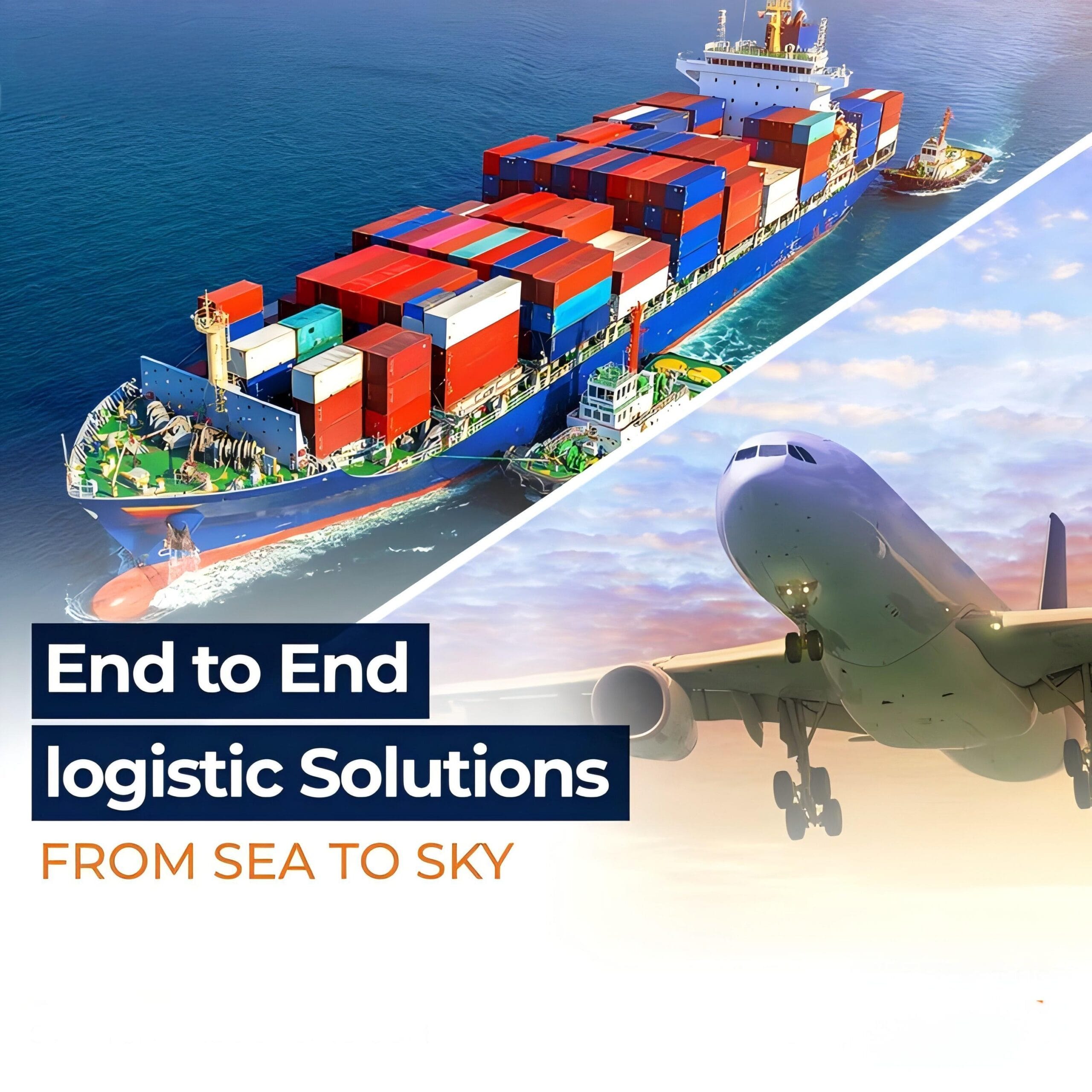
How to Choose Between FCL and LCL for Bulk Shipments?
Deciding between FCL and LCL is a critical step in managing your shipping budget and delivery schedule effectively. FCL shipping provides you with an entire 20ft or 40ft container, which is ideal for protecting high-volume bulk cargo from contamination.
In contrast, LCL shipping might be more cost-effective if your total volume is under 15 cubic meters. However, the consolidation and deconsolidation process for LCL often adds 5 to 7 days to the total transit time.
Therefore, most industrial importers prefer FCL to ensure a direct route from the Chinese factory to the Canadian warehouse. Additionally, sea freight remains the most economical solution for these massive shipments due to its high capacity.
| Feature | FCL (Full Container) | LCL (Shared Container) | Breakbulk |
|---|---|---|---|
| Best Volume | Over 15 CBM | 1 to 15 CBM | Oversized/Heavy |
| Cost Basis | Flat rate per unit | Per CBM / Weight | Per Metric Ton |
| Transit Time | Fastest Sea Option | Moderate | Slowest |
| Security | High (Sealed) | Moderate | Variable |
Is Air Freight Viable for China to Canada Shipping Bulk Cargo?
While sea freight is the standard for bulk, air freight serves as a critical alternative for time-sensitive shipments. For instance, if a production line in Ontario is stalled due to a missing component, flying bulk parts becomes a necessity.
Nevertheless, the cost of air transport is significantly higher, often reaching five to ten times the price of ocean freight. Most businesses only utilize air services for high-value bulk goods or emergency restocks to maintain supply chain continuity.
Accordingly, you should calculate the landed cost carefully before committing to an air shipment for heavy items. Meanwhile, air cargo provides unparalleled speed, often reaching major Canadian hubs like Toronto or Vancouver within 3 to 7 days.
Navigating Customs Brokerage and Regulations in Canada
Importing bulk goods into Canada requires strict adherence to the Canada Border Services Agency (CBSA) guidelines and documentation standards. Utilizing a professional customs brokerage service is often the best way to avoid costly delays at the port of entry.
Moreover, you must ensure that your Harmonized System (HS) codes are accurate to determine the correct duty rates and taxes. For example, bulk industrial materials may have different tariff treatments compared to finished consumer goods.
Consequently, failure to provide a complete Commercial Invoice or Bill of Lading can result in cargo holds and additional storage fees. Indeed, working with experts ensures your China to Canada shipping bulk cargo clears customs without unnecessary friction.
| Document Name | Required By | Purpose | Criticality |
|---|---|---|---|
| Bill of Lading | Carrier/CBSA | Title of goods | Mandatory |
| Commercial Invoice | Customs | Valuation/Duties | Mandatory |
| Packing List | Port Authority | Cargo details | Mandatory |
| Certificate of Origin | Trade Agencies | Tariff eligibility | Optional/Recommended |
The Benefits of Door to Door Logistics for Bulk Goods
Implementing a door to door shipping model simplifies the entire international logistics process for Canadian businesses. This service covers everything from the initial pickup at the factory in China to the final delivery at your Canadian facility.
Furthermore, it eliminates the need for the importer to manage multiple vendors, such as drayage companies and ocean carriers. As a result, you gain better visibility over your shipment and a single point of contact for any issues.
Without a doubt, this integrated approach reduces the risk of communication gaps and ensures a smoother transition through various transit points. Additionally, it allows your team to focus on core operations rather than managing complex shipping manifests.
Regional Logistics and Infrastructure in North America
Understanding the infrastructure for shipping from China to North America is essential for choosing the right port of discharge. Most bulk shipments enter through West Coast ports like Vancouver or Prince Rupert due to their proximity to Asian shipping lanes.
On the other hand, shipments destined for Eastern Canada often travel through the Panama Canal or utilize the Canadian Pacific Kansas City (CPKC) rail network. For instance, railing cargo from Vancouver to Toronto is a common strategy to balance cost and speed.
Meanwhile, port congestion in major hubs can occasionally lead to significant delays during peak seasons. Therefore, diversifying your entry points or using secondary ports can provide a strategic advantage in a crowded market.
How Does Sea Freight Compare to Other Shipping Options?
When analyzing China to Canada shipping bulk cargo, sea freight is consistently the most viable long-term solution for large volumes. Although rail freight is a major factor for inland transport within Canada, it is not a direct option for trans-Pacific routes.
For example, sea freight costs for a 40HQ container might range from $3,000 to $4,500, whereas air freight for the same weight would be astronomical. In contrast, hybrid solutions like sea-air can offer a middle ground for specific logistics needs.
To summarize, sea freight offers the best balance of capacity and cost for bulk commodities. However, businesses must plan for longer lead times and potential weather-related disruptions during the winter months.
| Shipping Method | Cost Range | Transit Time | Best For | Limitations |
|---|---|---|---|---|
| Sea Freight FCL | $2,500 – $4,500 | 18-35 Days | Standard Bulk | Slow Transit |
| Air Freight | $5.00 – $12.00/kg | 3-7 Days | Urgent Bulk | High Cost |
| Sea-Air Hybrid | $1,500 – $2,500 | 12-20 Days | Balanced Needs | Limited Routes |
| Breakbulk | Custom Quote | 30-45 Days | Oversized Cargo | High Handling |

Which Option Should You Choose for Your Bulk Cargo?
Choosing the best shipping method requires a careful evaluation of your budget, timeline, and the nature of your cargo. If budget is your primary priority, sea freight FCL is the undisputed winner for large bulk shipments.
For speed priority, air freight is the only option that can move bulk goods across the ocean in less than a week. Meanwhile, for oversized cargo that cannot fit in a container, breakbulk or RO-RO (Roll-on/Roll-off) services are necessary.
Additionally, consider the volume thresholds; once you exceed 15-20 CBM, FCL almost always becomes cheaper than LCL. Consequently, analyzing these factors before booking ensures you select the most efficient path for your supply chain.
Real-World Case Studies for Bulk Shipping to Canada
Case Study 1: Industrial Machinery from Shanghai to Vancouver. An importer moved 2x40HQ containers of factory equipment using a major carrier. The ocean freight cost was $3,200 per container, with a total door-to-door transit time of 22 days, including 3 days for customs clearance.
Case Study 2: Bulk Electronics Components from Shenzhen to Toronto. This shipment utilized LCL for 12 CBM of goods. The total landed cost was $1,850, and the transit time took 35 days due to rail transport from the West Coast to Ontario.
Case Study 3: Emergency Automotive Parts from Ningbo to Montreal. Due to a supply shortage, the client used air freight for 1,200kg of bulk parts. The cost was $8,400, but the cargo arrived in just 5 days, preventing a costly factory shutdown.
Cost-Saving Strategies for Bulk Cargo Importers
Reducing expenses for China to Canada shipping bulk cargo often involves optimizing your packaging and booking schedules. For instance, shipping during the off-peak season (March to June) can save you up to 20% compared to the Q4 peak.
Moreover, negotiating long-term contracts with freight forwarders can provide price stability amidst market volatility. Additionally, consolidating multiple smaller orders into a single FCL shipment significantly lowers the per-unit shipping cost.
Finally, ensure your cargo is packed efficiently to maximize the use of every cubic meter inside the container. Indeed, even small improvements in load planning can lead to thousands of dollars in annual savings.
Final Thoughts on Shipping Bulk Cargo to Canada
Navigating the landscape of China to Canada shipping bulk cargo is a multifaceted challenge that requires careful planning and expert execution. By understanding the differences between FCL, LCL, and air freight, you can make informed decisions that protect your bottom line.
Furthermore, leveraging professional customs brokerage and door-to-door services will help you avoid the common pitfalls of international trade. As market conditions continue to evolve in 2025, staying informed on logistics trends remains vital for your success.
Ultimately, the goal is to create a resilient supply chain that can withstand disruptions while delivering goods efficiently across the Pacific. Partnering with the right logistics provider ensures that your bulk cargo arrives safely and on schedule.
Ready to streamline your logistics?
Ready to optimize your China to Canada shipping bulk cargo operations? Contact our expert team at DSV-Freight today for a customized quote and professional logistics support. Visit our website to learn more: https://dsv-freight.com/
Request Quote