
Complete Freight Management Solution: 2026 Guide to Global Logistics
Managing a global supply chain requires precision, expertise, and a complete freight management solution to ensure goods move efficiently across borders. Many businesses struggle with rising shipping costs and complex customs regulations that delay delivery schedules. Consequently, finding an integrated partner becomes essential for maintaining a competitive edge in the 2026 market. This guide explores how a unified approach to logistics can transform your operations and drive significant cost savings.

What Defines a Complete Freight Management Solution in 2026?
A complete freight management solution integrates every aspect of the shipping process into a single, cohesive workflow. This approach covers everything from initial booking and cargo handling to final delivery at the destination. Furthermore, it eliminates the need for businesses to coordinate with multiple vendors, which often leads to communication breakdowns. Indeed, having one point of contact simplifies the entire import/export cycle significantly.
Modern logistics providers now utilize advanced software to track shipments in real-time and manage inventory across global hubs. Consequently, shippers gain better visibility into their supply chain, allowing them to react quickly to potential delays. Moreover, these solutions include value-added services such as insurance, warehousing, and cargo consolidation. Therefore, businesses can focus on their core operations while experts handle the complexities of international transport.
In addition to basic transportation, a truly comprehensive service includes strategic planning and risk management. For instance, providers analyze historical data to recommend the most cost-effective shipping routes and methods. Meanwhile, they ensure compliance with the latest international trade laws to avoid costly penalties. Ultimately, this holistic strategy reduces the total landed cost of goods and improves customer satisfaction.
How Does Sea Freight Compare to Other Shipping Options?
When businesses evaluate a sea freight strategy, they must weigh the benefits of cost against the requirement for speed. Ocean transport remains the most economical choice for large volumes of cargo, especially for bulky items or raw materials. However, transit times are significantly longer compared to air or express services. To make an informed decision, shippers should analyze their inventory needs and budget constraints carefully.
For shipments moving from China to major global ports, ocean freight offers several tiers of service, including Full Container Load (FCL) and Less than Container Load (LCL). Specifically, FCL is ideal for businesses that can fill an entire 20-foot or 40-foot container, providing better security and faster handling. On the other hand, LCL allows smaller companies to share container space, making international trade accessible without high upfront costs. Additionally, hybrid solutions like sea-air combinations are gaining popularity for balancing cost and speed.
As of early 2026, market data suggests that ocean freight rates have stabilized following the volatility of previous years. Nevertheless, seasonal peaks still influence pricing and capacity availability. For example, rates typically increase by 15-25 percent during the pre-Lunar New Year rush. Consequently, early booking and professional planning are vital components of a complete freight management solution.
Shipping Method Comparison (2026 Market Benchmarks)
| Shipping Method | Cost Range | Transit Time | Best For |
|---|---|---|---|
| Sea Freight (FCL) | $1,800 – $4,500 per container | 25 – 40 Days | Large volumes, non-urgent goods |
| Air Freight | $4.50 – $9.00 per kg | 5 – 8 Days | High-value, perishable, urgent |
| Rail Freight | $120 – $180 per CBM | 18 – 22 Days | Mid-range budget to Europe |
| Express Service | $8.00 – $15.00 per kg | 3 – 5 Days | Small parcels, samples, documents |
Why Is Customs Brokerage Vital for Global Trade?
Navigating the complexities of international regulations requires a professional customs brokerage service to ensure smooth clearance. Each country has unique requirements for documentation, duties, and taxes that can change without much notice. Furthermore, errors in paperwork can lead to lengthy port delays and additional storage fees. Therefore, an experienced broker acts as an essential intermediary between the shipper and government authorities.
In 2026, many customs processes have become digitized, requiring precise data entry and electronic filing. Consequently, brokers who utilize modern technology can expedite the clearance process significantly. Moreover, they provide valuable advice on tariff classifications, which can help businesses reduce their duty payments legally. Indeed, a proactive approach to compliance is a hallmark of a complete freight management solution.
In addition to standard clearance, brokers assist with specialized permits for restricted goods or hazardous materials. For instance, importing electronics or chemicals often requires specific certifications that vary by destination. Meanwhile, they manage the payment of Value Added Tax (VAT) and other local levies on behalf of the importer. Ultimately, this expertise prevents supply chain bottlenecks and ensures that goods reach the market on schedule.
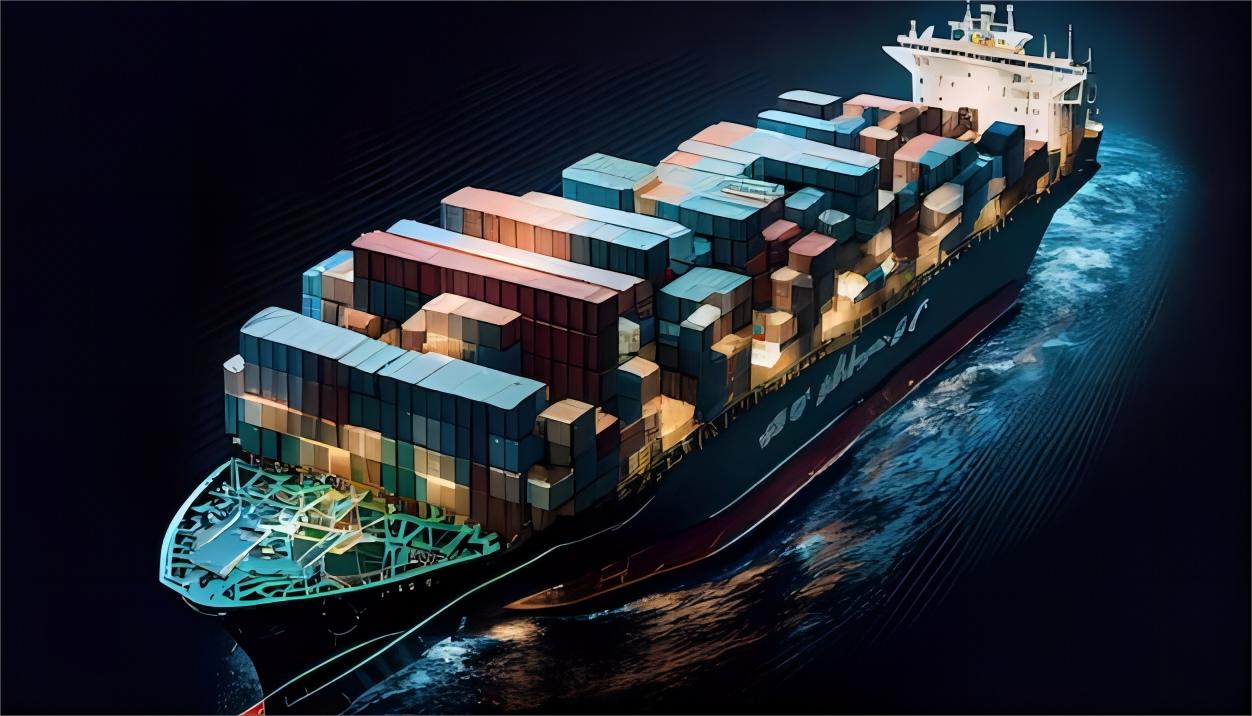
Maximizing Efficiency with Door to Door Logistics
Implementing a door to door service model simplifies the logistics chain by providing a single point of accountability. This service handles every step, from the supplier’s warehouse in China to the final delivery point in the destination country. Consequently, the business owner does not need to worry about coordinating local trucking, port handling, or final mile delivery. Furthermore, this integrated approach often results in faster total transit times.
When shipping to major regions like North America, door to door solutions provide predictable pricing and scheduling. Specifically, providers manage the drayage from the port to a distribution center and then organize the final delivery to the customer. Moreover, this model reduces the risk of cargo damage because there are fewer hand-offs between different carriers. Therefore, it is highly recommended for high-value retail goods and sensitive equipment.
Additionally, businesses shipping to Europe benefit from door to door services that navigate the diverse infrastructure of the continent. For example, a shipment might arrive at a port in Germany and require rail or truck transport to reach a warehouse in Poland. In contrast to managing these steps individually, a complete freight management solution handles the entire transshipment process seamlessly. Consequently, transparency is maintained throughout the journey.
Scaling Your Business with Amazon FBA and Express Services
For e-commerce sellers, a robust Amazon FBA logistics strategy is crucial for maintaining high seller ratings and customer trust. This specialized service ensures that products meet Amazon’s strict labeling and packaging requirements before arriving at the fulfillment center. Furthermore, providers offer prep services that include inspection and kitting to prevent inventory rejections. Consequently, sellers can scale their operations globally without managing their own warehouses.
When time is the most critical factor, utilizing an express service provides the fastest possible delivery for small to medium shipments. Specifically, these services use dedicated air networks to move cargo across the world in just a few days. Moreover, express shipping includes door to door delivery and basic customs clearance in a single price. Therefore, it is the ideal choice for restocking hot-selling items or sending urgent replacement parts.
In addition to speed, express services offer superior tracking capabilities that provide peace of mind for both the shipper and the recipient. For instance, businesses can monitor the exact location of their goods at every stage of the journey. Meanwhile, automated notifications keep customers informed about the expected delivery time. Ultimately, integrating these fast-track options into a complete freight management solution allows for greater flexibility in meeting market demands.
Case Studies: Real-World Logistics Success in 2026
Case Study 1: Electronics Distribution to North America. Route: Shenzhen, China to Los Angeles, USA. Cargo: Consumer Electronics, 28 CBM, 4,500 kg. Container: 40GP. Shipping Details: Carrier: Major ocean carrier. Port of Loading: Shenzhen. Port of Discharge: Los Angeles. Route Type: Direct. Cost Breakdown: Ocean Freight: $2,450. Origin Charges: $450. Destination Charges: $650. Customs and Duties: $1,200. Total Landed Cost: $4,750. Timeline: Booking to Loading: 3 days. Sea Transit: 16 days. Customs Clearance: 2 days. Total Door-to-Door: 21 days. Key Insight: Utilizing a direct route saved 5 days compared to transshipment options, ensuring the client met their product launch deadline.
Case Study 2: Industrial Machinery to Europe. Route: Shanghai, China to Hamburg, Germany. Cargo: Precision Tools, 12 CBM, 3,200 kg. Container: LCL. Shipping Details: Carrier: Consolidation service. Port of Loading: Shanghai. Port of Discharge: Hamburg. Route Type: Direct via Suez Canal. Cost Breakdown: Ocean Freight: $1,100. Origin Charges: $300. Destination Charges: $500. Customs and Duties: $950. Total Landed Cost: $2,850. Timeline: Booking to Loading: 5 days. Sea Transit: 32 days. Customs Clearance: 3 days. Total Door-to-Door: 40 days. Key Insight: Based on Q1 2026 market rates, LCL was 40 percent more cost-effective than a half-empty 20GP container for this specific volume.
Note: Freight rates are subject to change based on fuel costs, carrier capacity, and seasonal demand. Contact us for a current quote tailored to your specific shipment.

Which Option Should You Choose? A Decision Framework
Choosing the right logistics strategy depends on your specific business priorities and the nature of your cargo. If your primary goal is budget optimization, sea freight is almost always the preferred choice for large shipments. However, if you are moving high-value items with a short shelf life, air freight becomes a necessity despite the higher cost. Consequently, a balanced supply chain often uses a mix of methods to optimize both cost and speed.
For shipments under 15 CBM, LCL at $50-80 per CBM may be more economical than a full container. Conversely, once your volume exceeds 15-20 CBM, booking a 20GP container usually provides better value and security. Furthermore, consider the destination infrastructure; for example, rail freight is an excellent middle-ground for China-to-Europe routes but is not available for Australia. Therefore, geographical constraints must play a role in your final decision.
In addition to cost and speed, consider the complexity of the customs environment in the destination country. If you are entering a market with strict regulations, investing in a complete freight management solution with a strong customs brokerage component is essential. Ultimately, the best choice is one that aligns with your delivery promises to your customers while maintaining your profit margins. To summarize, evaluate your needs based on volume, urgency, and destination before committing to a specific shipping mode.
Summary of Freight Management Excellence
In conclusion, implementing a complete freight management solution is no longer optional for businesses that want to thrive in the competitive 2026 global market. By integrating sea, air, and land transport with expert customs brokerage, companies can achieve unprecedented levels of efficiency. Furthermore, the visibility provided by modern logistics partners allows for better decision-making and risk mitigation.
As we have explored, the choice between different shipping modes should be based on a careful analysis of cost, speed, and cargo requirements. Whether you are shipping to North America, Europe, or Australia, having a single partner to manage the entire process reduces stress and improves reliability. Ultimately, a well-managed supply chain is a powerful tool for business growth and long-term success.

Get Your Shipping Quote Today
Take control of your global logistics today by partnering with a trusted provider. Our team offers a complete freight management solution designed to streamline your supply chain and reduce unnecessary expenses. Contact us now to receive a customized quote for your next shipment from China. Visit our website to learn more about our integrated services. Send Inquiry: https://dsv-freight.com/contact/
Request Quote