
Optimizing LCL Consolidation for Multiple Supplier Purchase Orders: A 2026 Logistics Guide
Key Procurement Takeaways
- A 40HQ container provides optimal efficiency for dense, palletized freight with a target utilization of 65 to 70 CBM.
- Standard 20GP containers are most effective for smaller, heavier loads with a usable capacity of 26 to 28 CBM.
- Air freight chargeable weight is calculated as the higher of actual weight or volumetric weight based on a 167 kg/CBM ratio.
- Effective LCL consolidation requires a minimum of 7 to 10 days of pre-departure buffer to align various supplier lead times.
- Proper ISF and entry filing must be initiated at least 24 hours prior to vessel loading to avoid significant port dwell penalties.
What Is the Best Mode Mix for This Trade Lane?
The most effective mode mix for this corridor relies on balancing LCL consolidation for standard stock against targeted air freight for critical replenishment items. Using sea freight as your baseline allows for economies of scale, while reserving express options for high-velocity SKUs.
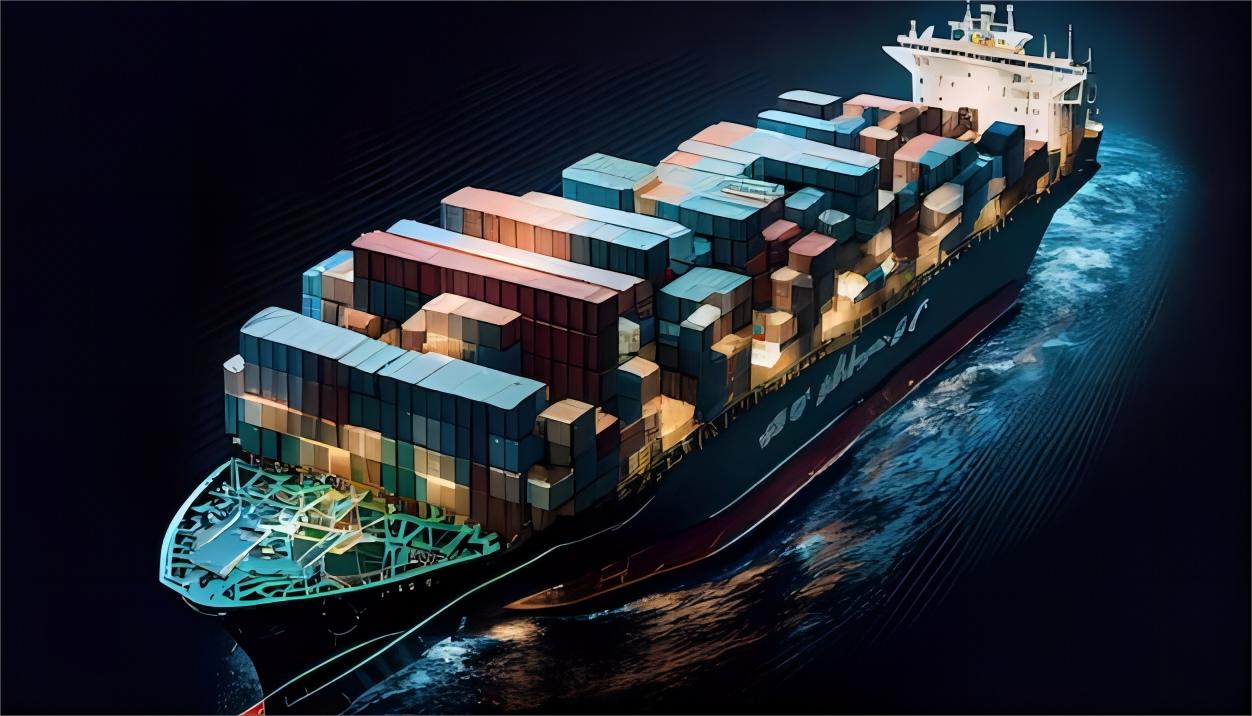
Selecting the right equipment requires a granular understanding of your supplier output and shipping frequency. By centralizing multiple purchase orders into a single consolidation point, you significantly reduce the complexity of origin drayage and terminal handling fees.
Working with experts helps you determine whether your specific cargo profile aligns with containerized ocean transport or if specialized rail freight offers a better middle-ground solution.
| Service Mode | Cost Level | Transit | Best Suited For |
|---|---|---|---|
| Direct FCL | Low | 25-35 Days | Bulk / >15 CBM |
| LCL | Moderate | 30-45 Days | <12 CBM |
| Air | High | 3-7 Days | Urgent |
Which Origin Gateways Best Serve This Corridor?
Strategic routing through major Chinese hubs such as Yantian, Shekou, Ningbo-Zhoushan, and Shanghai Yangshan is essential for maximizing consolidation efficiency. These ports offer the highest frequency of direct sailings and the most developed infrastructure for handling multi-supplier LCL cargo.
Choosing the gateway closest to your primary supplier cluster minimizes domestic inland drayage costs and transit volatility. Furthermore, leveraging these specific hubs allows for more reliable scheduling when coordinating pick-ups from multiple locations.
Our team manages the complexities of moving cargo through these ports to ensure that your LCL consolidation for multiple supplier purchase orders remains on schedule, regardless of seasonal volume shifts. See rail freight for options that match this corridor.
How Do You Avoid Mode-Specific Pitfalls for This Cargo?
Avoiding pitfalls in LCL consolidation requires strict adherence to standardized packing lists and precise cubic meter (CBM) declarations. Discrepancies between physical cargo and manifest data frequently trigger customs holds and unexpected inspection fees.
Implementing a rigorous pre-shipment inspection process ensures that all cargo from different suppliers meets the same quality and packaging standards. This consistency is vital when combining various purchase orders into a single consolidated container.
Utilizing customs brokerage services early in the process helps mitigate compliance risks and ensures that your documentation is correctly filed for every origin point involved.

What Is the Door-to-Door Transit and Dwell Breakdown?
Door-to-door transit for LCL shipments typically ranges from 35 to 50 days, depending on port dwell times and destination CFS availability. Accounting for these variables is critical when building your annual procurement calendar.
Dwell time at the port of discharge is often the most unpredictable element of the logistics chain. By engaging a partner who specializes in door to door logistics, you gain visibility into these bottlenecks before they impact your operations.
Proactive communication between the destination CFS and the transport carrier ensures that your goods are moved out of the terminal immediately upon release, avoiding unnecessary storage fees.
| Route Leg | Mainhaul Transit | Customs & Dwell | Total Lead Time |
|---|---|---|---|
| Standard Window | 25-30 Days | 5-10 Days | 30-40 Days |
| Peak Season Window | 30-35 Days | 10-15 Days | 40-50 Days |
How Much Does Shipping on This Corridor Cost in 2026?
Shipping costs in 2026 are heavily influenced by the balance between vessel capacity and surging demand, with LCL rates typically calculated per CBM or per 1,000kg. Base rates cover the ocean journey, but the final landed cost must incorporate destination THC, CFS fees, and any applicable GRI or bunker surcharges.
Volume plays a significant role in determining your final freight rate. As you aggregate more purchase orders, you achieve better economies of scale, allowing you to optimize your total shipping expenditure.
We provide transparent pricing structures for shipping from China to North America, ensuring that you understand every cost component before your cargo departs the origin port.
| Mode / Equipment | Indicative Band | Key Surcharge Drivers | Best For |
|---|---|---|---|
| FCL 40HQ | $3,000-$6,000 | GRI / bunker / port pair | >15 CBM |
| LCL | $80-$150/CBM | CFS + destination fees | <12 CBM |
| Air | $3-$8/kg | chargeable weight | Urgent |
What Makes Up Landed Cost Beyond the Mainhaul Rate?
Landed cost is the sum of the freight rate, destination handling charges, customs duties, taxes, and inland drayage fees. It is essential to calculate these costs holistically to avoid margin erosion on your imported products.
Many importers neglect the impact of destination CFS fees and document processing charges when evaluating their total cost. These expenses can add significant value to the unit price if not planned for during the procurement stage.
Working with a provider that offers comprehensive visibility helps you maintain control over your landed costs, ensuring that your business remains competitive in the global marketplace.
What Documents and Filings Are Mandatory on This Lane?
Mandatory documentation for this lane includes the Bill of Lading (B/L), Commercial Invoice, Packing List, and timely entry/security filings. Accuracy in these documents is paramount to avoiding customs delays and regulatory penalties.
Each document serves a specific purpose, from validating the valuation of your goods to ensuring proper security screening at the port of entry. Missing or inaccurate information on a B/L can result in cargo being held indefinitely at the destination port.
We assist in the preparation and review of these documents to ensure compliance with international trade regulations and to facilitate a smooth customs clearance process.
| Document | Purpose | Timing | Owner |
|---|---|---|---|
| Entry/security filing | Security/entry | 24hr pre-load | Importer/Broker |
| Commercial Invoice | Valuation | Pre-Departure | Shipper |
| Packing List | CBM/weight | Pre-Departure | Shipper |
| Bill of Lading | Title | Post-Departure | Carrier |
How Do Peak Seasons and Capacity Disruptions Affect Bookings?
Peak seasons often lead to reduced space availability and increased freight rates, necessitating early booking and flexible scheduling. During these times, securing space for LCL consolidation for multiple supplier purchase orders requires advanced planning and strong carrier relationships.
Capacity disruptions can occur due to weather events, labor strikes, or sudden shifts in global trade patterns. Being prepared with contingency plans, such as utilizing express service for critical items, can help maintain your supply chain integrity.
Our team monitors these market conditions daily to provide you with the most up-to-date guidance on navigating capacity constraints and minimizing the impact on your delivery schedules.
When Should You Choose FCL vs LCL vs Air?
The decision to choose FCL, LCL, or air freight depends on the volume, urgency, and cost sensitivity of your shipment. FCL is generally preferred for volumes exceeding 15 CBM, while LCL is the standard for smaller, more frequent shipments.
Air freight is reserved for high-priority items or inventory replenishment where the cost of a stockout exceeds the premium of air transportation. Balancing these modes based on your current inventory needs is a hallmark of an effective supply chain strategy.
Consulting with our team allows you to make data-driven decisions that balance speed and cost, ensuring that your LCL consolidation for multiple supplier purchase orders supports your overall business objectives.
Decision Framework
If total volume exceeds 25 CBM, evaluate the cost-benefit of moving to FCL; for shipments under 20 CBM, LCL consolidation offers superior cost-per-unit ratios.
If inventory lead time is under 14 days, prioritize air freight; if a 30 to 45-day door-to-door window is acceptable, ocean freight remains the most cost-efficient choice.
Fragile or high-value goods exceeding standard LCL stacking limits should be evaluated for FCL or crated air-freight solutions to minimize handling risk.
Strategic Summary for 2026 Procurement
Mastering LCL consolidation for multiple supplier purchase orders requires a disciplined approach to documentation, gateway selection, and mode optimization. By aligning your shipping strategy with the realities of the 2026 logistics landscape, you can effectively manage costs and improve your overall speed to market.
Proactive collaboration with a logistics partner ensures that your supply chain remains resilient against market volatility. Focus on data-driven planning and early compliance to secure a competitive advantage in your international trade operations.
Standard Operating Logistics Workflow
Inquiry & Quoting
Submit weight, CBM, HS code, origin, destination zip.
Origin Pickup & Drayage
Coordinate factory readiness and origin haulage.
Export Customs Clearance
File export declaration and release.
International Transportation
Mainhaul per ocean freight standards.
Destination Customs Clearance
Entry filing, duties/taxes, release.
Final Delivery
Last-mile to door / CFS pickup.
Ready to streamline your shipping? Share your cargo details, including gross weight, CBM, packing type, HS code, origin, and destination, for a customized landed cost proposal.
Talk to a specialist →