
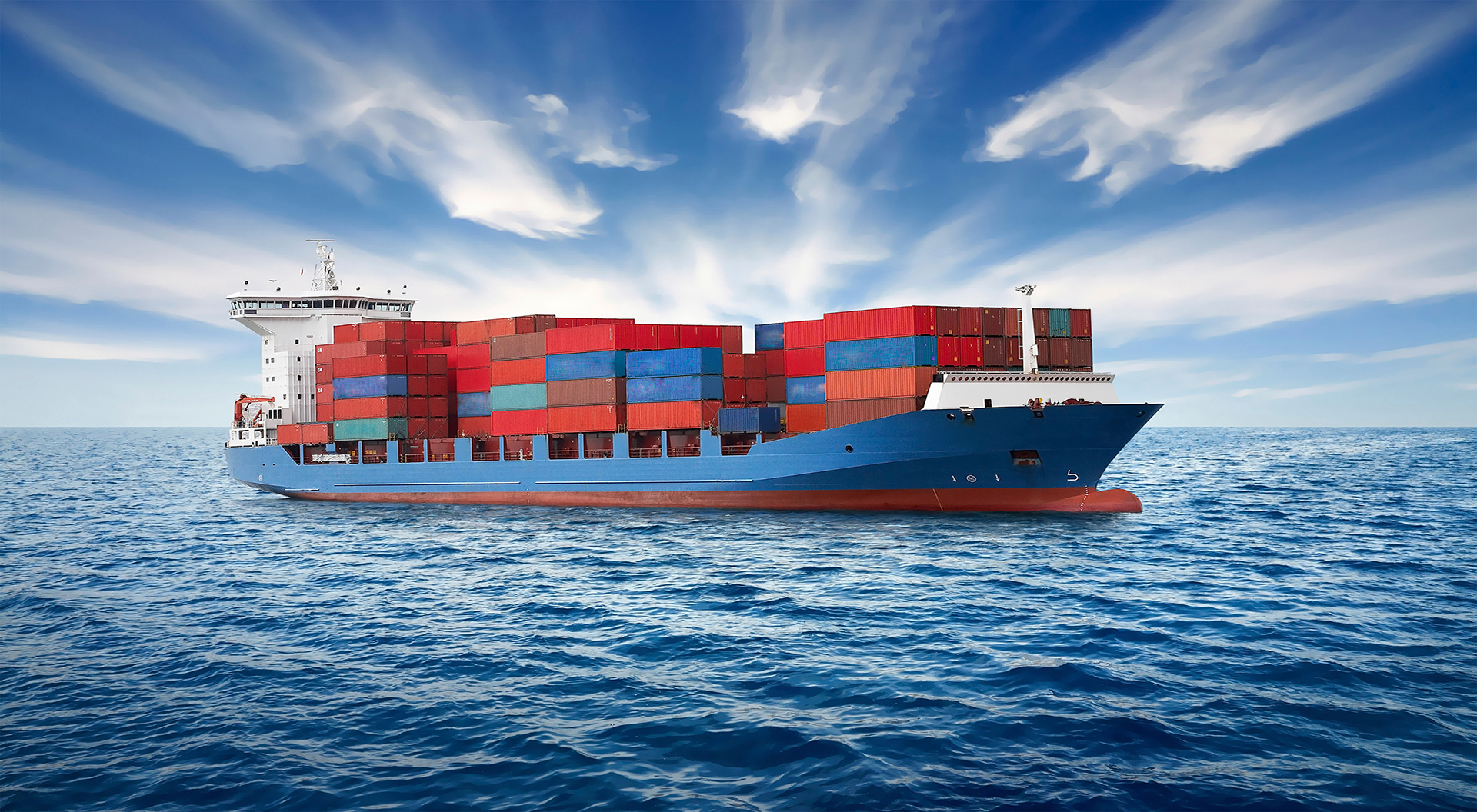
DSV-freight provides end-to-end logistics solutions for shipping cargo from China to Brazil, serving importers, manufacturers, distributors, and project operators across the Brazilian market.
With extensive experience on Asia–South America trade lanes, we arrange shipments through major Brazilian ports such as Santos, Paranaguá, Itajaí, and Rio de Janeiro, delivering stable transit schedules and clear cost structures tailored to different cargo profiles.
From factory pickup in China to final delivery across Brazil, our team manages ocean transport planning, export and import customs coordination, and local inland distribution. Whether moving consumer goods, industrial equipment, automotive parts, or consolidated cargo, DSV-freight ensures compliant, efficient, and predictable China–Brazil shipping solutions.
DSV-freight provides structured sea freight solutions from China to Brazil, connecting major Chinese ports with Brazil’s primary gateways such as Santos, Paranaguá, Itajaí, and Rio de Janeiro. With stable carrier allocations and route planning, sea freight is well suited for full container loads, heavy cargo, machinery, and large commercial shipments, offering cost efficiency and reliable transit performance on long-haul routes.
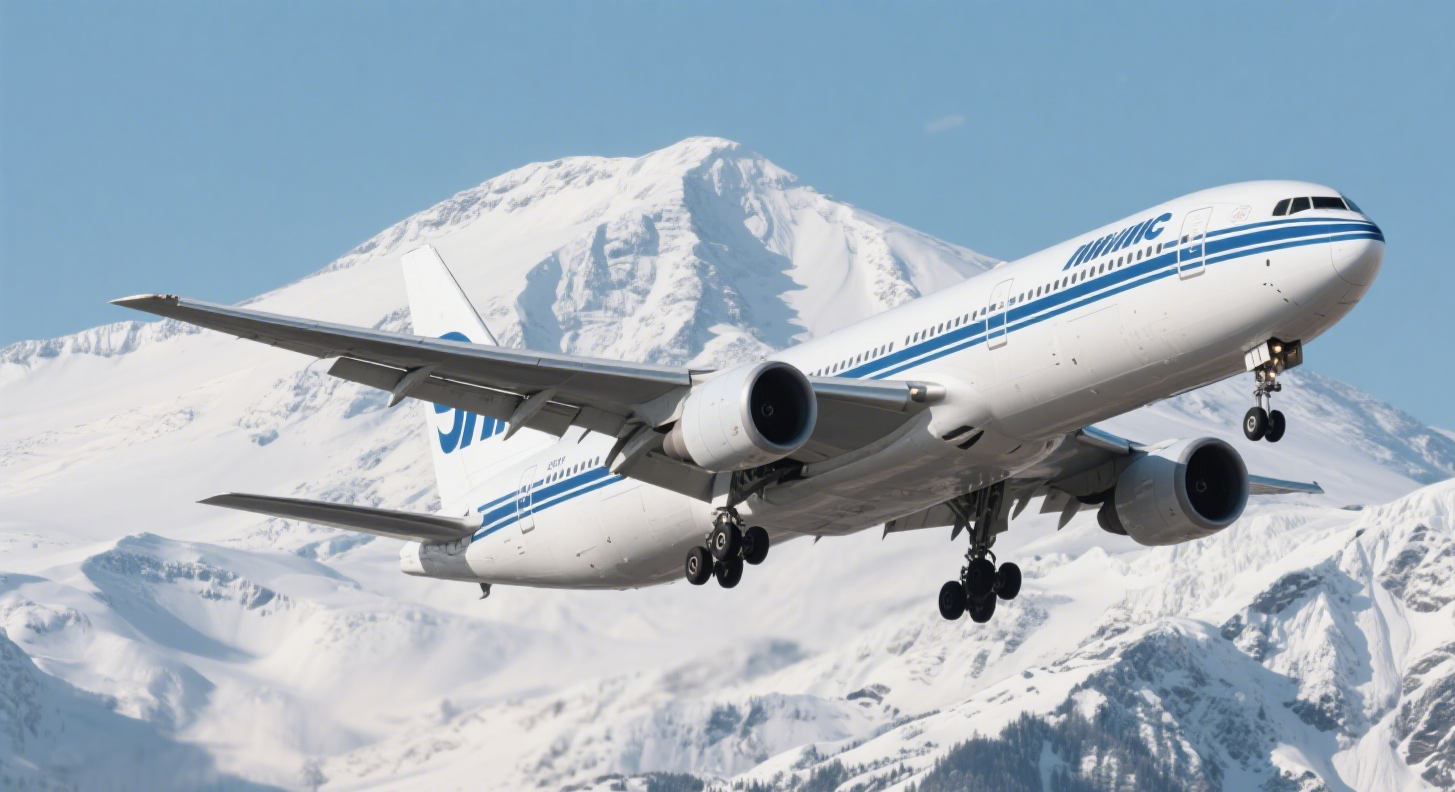
For time-critical or high-value cargo, DSV-freight offers professional air freight services from China to Brazil via major international airports including São Paulo (GRU) and Campinas (VCP).
Our air solutions focus on speed, cargo security, and priority handling, supporting fast customs coordination and controlled delivery timelines for urgent shipments and critical supply chains.
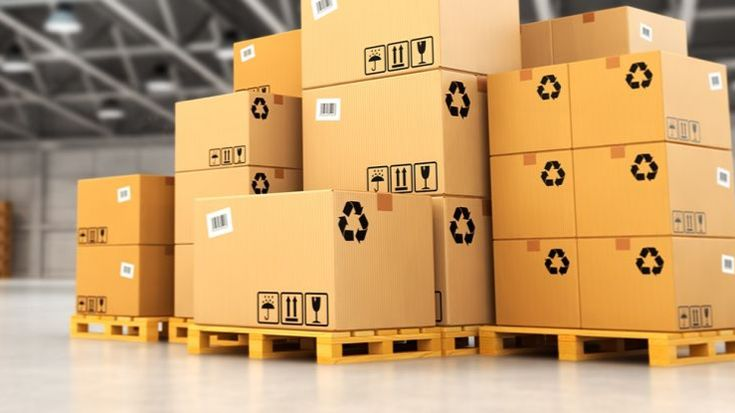
DSV-freight delivers fully integrated door-to-door shipping solutions from China to Brazil, managing every stage from origin pickup and export clearance to international transport, Brazilian customs clearance, and inland delivery.
By combining ocean or air freight with local distribution, we simplify complex logistics processes while ensuring compliance, visibility, and predictable delivery across Brazil.

DSV-freight provides full container load (FCL) shipping from China to Brazil with direct access to major Brazilian ports such as Santos, Paranaguá, Itajaí, and Rio de Janeiro.
FCL shipments move in dedicated containers, reducing handling risks and improving transit stability. This solution is ideal for large-volume cargo, industrial equipment, automotive parts, and long-term supply contracts, offering clearer cost control and predictable delivery schedules.
For smaller or mixed shipments, DSV-freight offers professional LCL (Less than Container Load) shipping from China to Brazil through reliable consolidation networks.
Cargo is consolidated at origin, shipped to Brazil, and deconsolidated at destination ports before delivery. LCL shipping helps optimize costs for low-volume commercial goods, while maintaining compliant handling and dependable transit timelines.
DSV-freight will provide most fuel efficient pickup service China
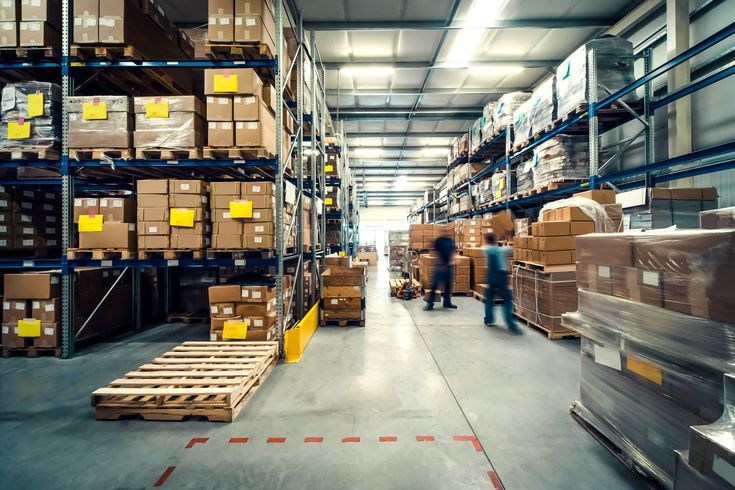
We provide free warehousing services for any of your goods.
The cargo insurance protects your goods all the way to any Any FBA Warehouse
We handle all paperwork and other details for you.

Ensure safe packaging and loading of goods in your suppliers' factory.
Air freight from China to Brazil usually takes between 7 and 15 days. This includes the time required for customs clearance, flight duration, and transportation to the final destination. Air freight is significantly faster than sea freight, which can be beneficial for time-sensitive shipments.
Sea freight from China to Brazil typically takes around 30 to 45 days. This time frame accounts for the entire journey, including loading and unloading, and potential delays. Sea freight is more economical but slower compared to air freight.
Opt for LCL (Less-than-Container Load) sea freight for small batches, leverage freight forwarders’ bulk discounts, and avoid peak seasons (November–December).
Yes, shipping times can be expedited using express air freight services. These services prioritize speed, potentially reducing delivery times to as little as 7 to 10 days, but they come at a higher cost compared to standard shipping options.
Necessary documents include commercial invoice, packing list, bill of lading, Certificate of Origin (Form E), import license (RNE), and ANATEL certification for electronics.
Major ports in China for shipping to Brazil include Shanghai, Shenzhen, and Ningbo. In Brazil, key ports include Santos, Rio de Janeiro, and Itajaí. The choice of port can impact the overall shipping time and cost.
Taxes depend on HS code (average 10–35%). Check rates via SECEX’s official website before shipping.
When deciding between air and sea freight, consider factors such as urgency, cost, and shipment size. Air freight is faster but more expensive, while sea freight is more economical but slower. Your decision will depend on your specific shipping needs.
Ensure accurate NCM codes, use DDP (Delivered Duty Paid) shipping (freight forwarder handles taxes), and choose forwarders experienced in Brazil’s complex clearance process.
Track your cargo using your freight forwarder’s online portal, B/L (Bill of Lading) number, or blockchain tracking tools for real-time updates. Most providers offer 24/7 visibility from factory pickup to delivery in Brazil.
A wide range of available features allows users to manage shipments more efficiently and access essential services with ease. In logistics, feature availability often depends on regional support and operational coverage.
High code quality delivers a stable and responsive system, making daily logistics management smoother while minimizing technical issues and downtime.
Operational management involves organizing transport resources, defining clear workflows, and following industry regulations. Depending on regional practices, infrastructure can be owned and operated by public institutions or private companies.