
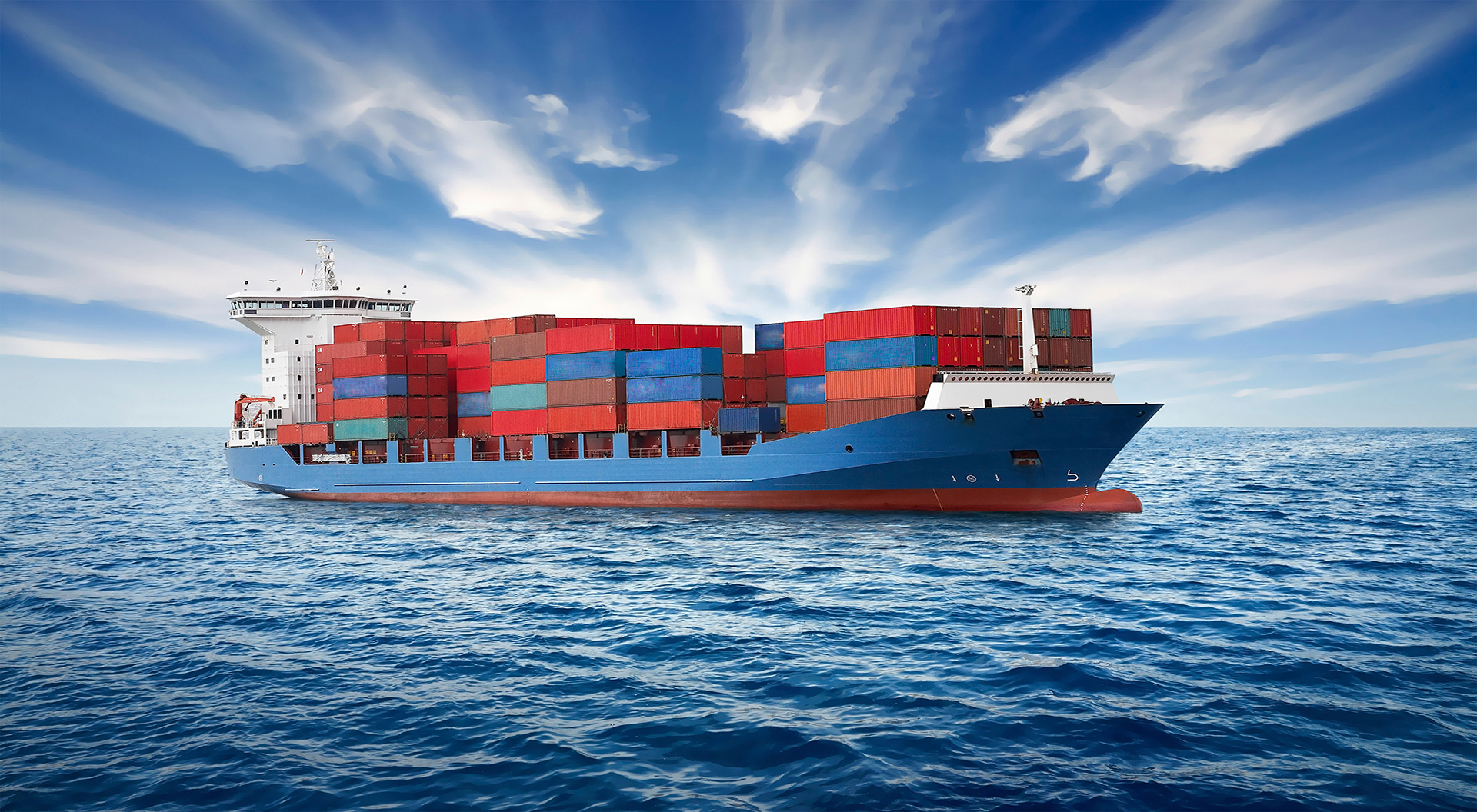
Shipping from China to Germany

DSV-freight provides comprehensive freight forwarding services for shipments moving from China to Germany, serving manufacturers, importers, retailers, and industrial buyers across Europe.
By integrating origin operations in China with destination coordination in Germany, DSV-freight maintains consistent cargo flow and predictable delivery planning.
Our logistics specialists oversee documentation preparation, export compliance, and shipment monitoring throughout the transport process.
This service supports both long-term trade cooperation and one-off project shipments.

Services

What we do

Services

img

Sea Freight From China To Germany

DSV-freight organizes ocean freight from major Chinese ports to Germany through stable and well-established shipping routes. Cargo is transported via key European gateways with onward delivery to German ports and inland destinations. Both FCL and LCL shipping solutions are available, allowing shippers to balance cost efficiency and cargo volume. Sea freight is commonly selected for commercial goods, machinery, and large-volume shipments.

img

Air Freight From China To Germany

For cargo requiring fast delivery, DSV-freight provides air freight services from China to Germany. Air transport is suitable for high-value products, urgent orders, and critical spare parts. Shipments are handled under priority booking and secure handling procedures. This solution significantly shortens transit time while maintaining shipment reliability.

img

Rail Freight from China To Germany

DSV-freight operates China–Europe rail freight solutions connecting China with Germany through established railway corridors. Rail transport offers a practical balance between transit time and shipping cost compared with sea and air freight. This option is suitable for regular commercial cargo requiring stable schedules and controlled transit risk. Rail services are coordinated with customs procedures to ensure smooth border crossings.

FCL Shipping from China To Germany

DSV-freight provides full container load shipping using standard 20GP, 40GP, and 40HQ containers.
FCL shipping is suitable for large-scale or heavy cargo shipments.
Dedicated container usage improves cargo security and handling efficiency.
It also allows clearer control over total shipping costs.

LCL Shipping from China To Germany

For smaller shipment volumes, DSV-freight offers less-than-container load shipping solutions.
Multiple consignments are consolidated into shared containers under professional loading control.
LCL shipping helps reduce freight costs while maintaining reliable transit schedules.
This solution is well suited for small and medium-sized exporters.

Features

More Services Shipping from China To Germany

img

Pickup and Delivery

DSV-freight will provide most fuel efficient pickup service China
img

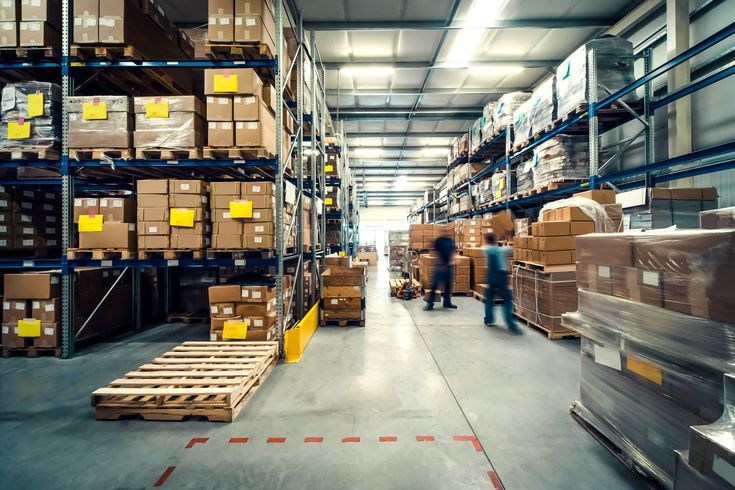
Warehousing

We provide free warehousing services for any of your goods.
img

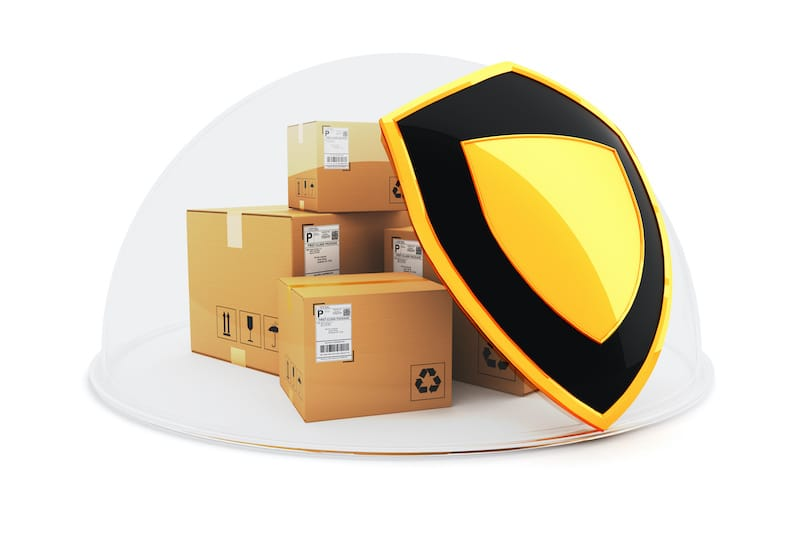
Cargo Insurance

The cargo insurance protects your goods all the way to any Any FBA Warehouse
img

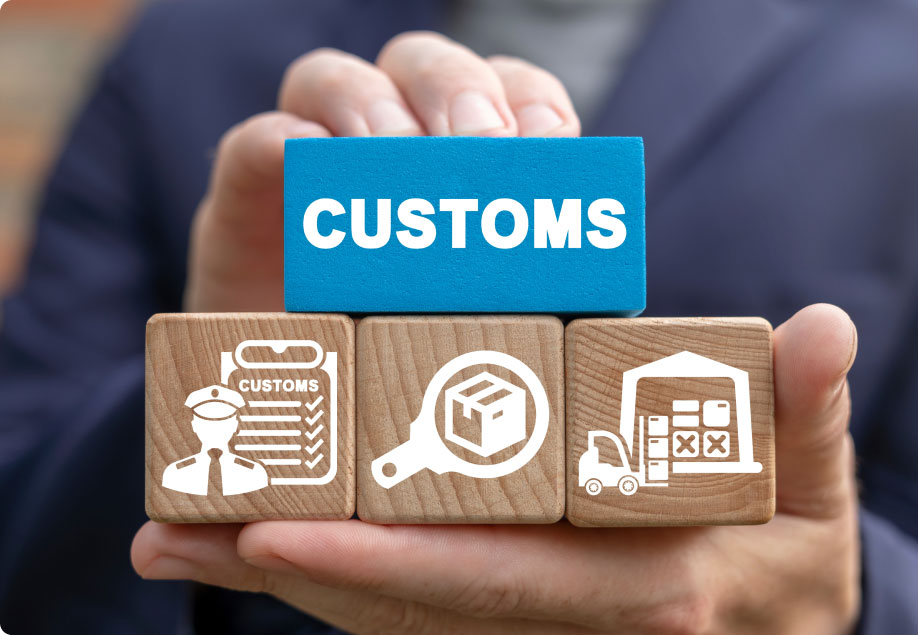
Custom Clearance

We handle all paperwork and other details for you.

img

Loading Inspection

Ensure safe packaging and loading of goods in your suppliers' factory.
Here We Are

GET ANYTYPE QUOTE FROM HERE.

Your Best Freight Forwarder from China to Germany

  • Provide the best ocean freight from China to Germany
  • Provide the competitive air freight from China to Germany
  • The professional work for customs clearance in China
  • Provide the free warehouse service and loading solution
  • The container loading supervision service
  • Pick up and delivery service in China
  • 24/7 online support
Best China Top Forwarder-Sea Freight
What customers also want to know

Professional Shipping from China to Germany: The Ultimate FAQ Guide

Shipping time depends on the method: air freight takes 3-7 days, sea freight 25-35 days, and rail freight 15-20 days. Express shipping can deliver in 2-5 days.

Shipping costs vary based on method (air, sea, or rail), cargo type, and destination. For example, air freight is generally more expensive than sea freight. Contact us for a personalized quote tailored to your needs!

You’ll need a commercial invoice, packing list, bill of lading, and customs declaration. For certain goods, certificates of origin or permits may be required.

Door-to-door shipping means we handle everything—pickup, transportation, customs clearance, and delivery to your address in Germany. It’s hassle-free and convenient!

Yes, you can ship electronics, but ensure they meet EU safety standards (CE marking). Proper packaging and documentation are essential for customs clearance.

Hazardous materials require special handling and documentation, such as a Material Safety Data Sheet (MSDS). Work with a certified freight forwarder for safe and compliant shipping.

The best method depends on your needs: air freight for speed, sea freight for cost-effectiveness, and rail freight for a balance of both.

We offer direct shipping to Berlin via air, sea, or rail. Whether it’s a small package or a full container, we’ll ensure timely delivery to your location.

International shipping involves pickup, transportation, customs clearance, and delivery. A freight forwarder like us handles all steps for a seamless experience.

We provide a tracking number for your shipment. You can check real-time updates on our website or through the carrier’s platform.

Don’t Take Our Words for it

Listen to What Our Clients Say about Our Freight Forwarding Service

Code Quality

High code quality delivers a stable and responsive system, making daily logistics management smoother while minimizing technical issues and downtime.

Sakira K. Lilliam
Ceo of Axone

Design Quality

High design quality improves both efficiency and user experience by combining clear structure, practical functionality, and a professional visual layout. In logistics services, good design supports smoother operations and better customer interaction.

Jon D. William
Founder of Mixbix

Customer Support

Operational management involves organizing transport resources, defining clear workflows, and following industry regulations. Depending on regional practices, infrastructure can be owned and operated by public institutions or private companies.

Sofia Harvey
Chairman News grove