
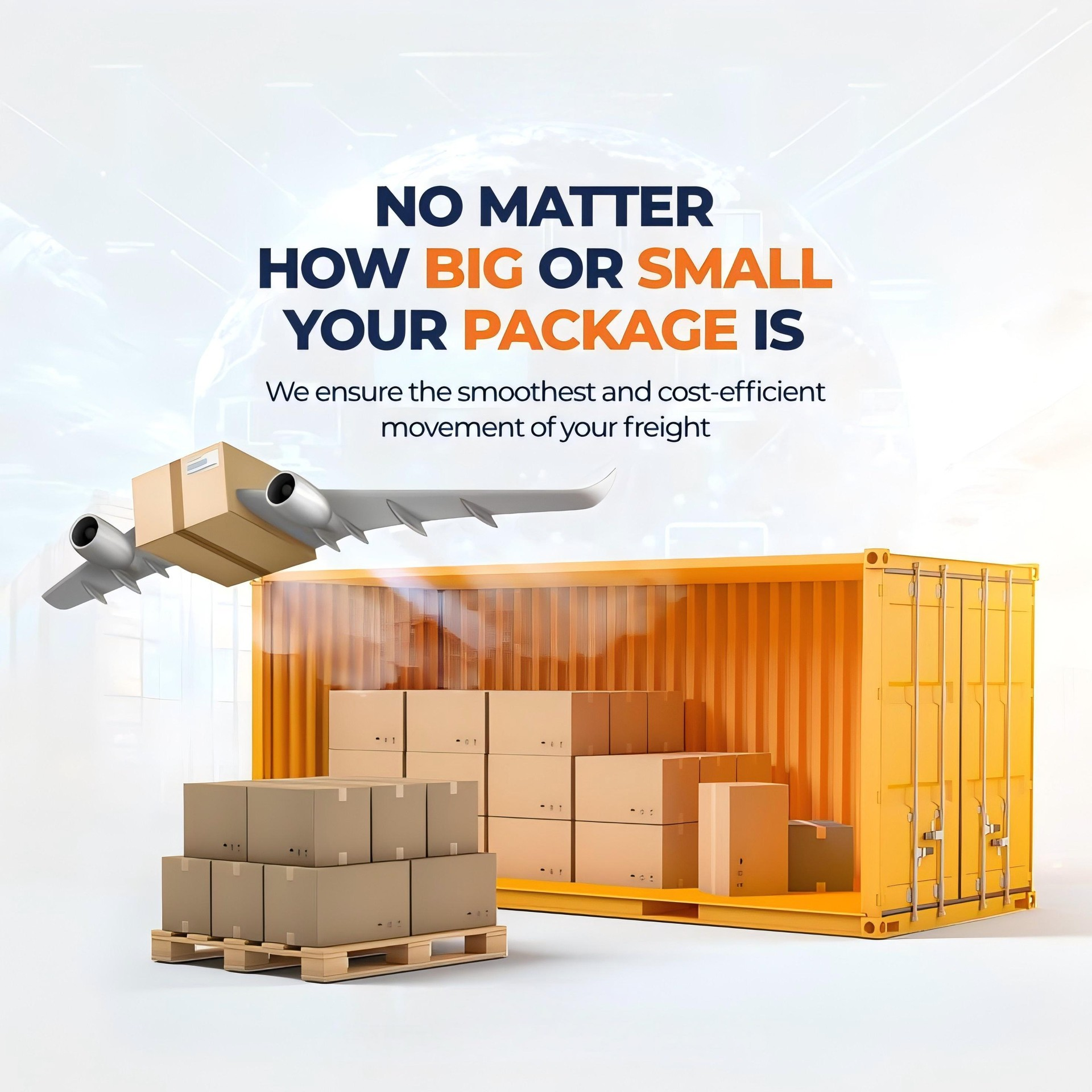
China Brazil Inland Trucking After Port Discharge Guide
Navigating the complexities of China Brazil inland trucking after port discharge often reveals hidden bottlenecks that can stall your entire supply chain. Importers frequently face unexpected demurrage and drayage delays due to poor coordination between port operations and final-mile delivery providers. By partnering with Dsv Freight, businesses can secure the visibility and reliability required to move goods efficiently from the quay to the final warehouse. This guide provides an operational roadmap for managing inland logistics, customs compliance, and carrier handoffs across the Brazil corridor.
Key Takeaways
A standard 40HQ container holds approximately 68-76 CBM, but shippers should target 65-70 CBM for safe palletized loading.
Inland trucking permits for oversized or specialized cargo in Brazil require an additional 5-7 business days for regulatory approval.
Customs clearance at major Brazilian ports typically requires a 48-hour filing window before the vessel arrives to avoid terminal storage fees.
Total landed cost is impacted by a 15-20% variance in drayage rates depending on the distance from the port to the final inland destination.
What Should Buyers Know First About China Brazil Inland Trucking After?
The transition from port discharge to inland trucking remains the most critical nexus in the China-Brazil trade lane. Buyers must understand that the moment a container is cleared at the port, it enters a high-stakes environment where free time is limited and terminal storage costs accrue daily. Managing the handoff requires precise coordination between the ocean carrier’s release of the cargo and the arrival of the local drayage provider.
Operational success hinges on the early verification of the Import Declaration (DI) or the newer DUIMP system in Brazil. If the customs documentation is not perfectly aligned with the bill of lading, the container will remain trapped in the port, incurring high demurrage and detention charges. Buyers should anticipate that the complexity of Brazilian customs significantly influences the timeline for inland pickup compared to other global corridors.
To mitigate risk, shippers should prioritize the selection of logistics partners who possess deep local knowledge of the specific port’s operational hours and truck gate procedures. Proactive communication during the final stages of the ocean transit allows for the scheduling of appointments that align with the availability of both the port and the destination warehouse. This foundational planning prevents the common mistake of scheduling pickups without confirming the readiness of the inland facility.
Field note: Ensure your IOR (Importer of Record) is fully registered in the Siscomex system before cargo arrival.
Common mistake: Failing to book drayage until after the vessel has officially berthed.
Risk alert: Port congestion at major hubs can extend dwell times by 72 hours, triggering automatic demurrage.
How Do Routing and Gateway Choices Affect This Lane?
The choice of gateway port acts as the primary determinant for the speed and cost of your inland trucking operation in Brazil. Ports such as Santos and Paranaguá handle a significant volume of international cargo, but they also experience varying levels of congestion that directly impact truck turnaround times. Selecting a port closer to the final delivery destination, while logically sound, may sometimes be less efficient if the inland road infrastructure is prone to heavy traffic or seasonal limitations.
Effective routing requires a comprehensive analysis of the transit distance from the port to the inland destination, accounting for potential road-weight restrictions. In Brazil, certain routes may require specialized permitting for heavy or oversized containers, which can delay the commencement of the inland move by several days. By utilizing sea freight solutions that optimize gateway selection based on current port capacity, shippers can significantly reduce their overall landed costs.
Route optimization also involves considering the availability of intermodal alternatives, such as rail transport for long-haul segments before the final trucking leg. While trucking provides the most flexibility for door-to-door delivery, integrating rail where possible can lower the carbon footprint and reduce exposure to road-based delays. Buyers should regularly review their routing strategies with their freight forwarder to ensure that they are adapting to changing port conditions and road capacity constraints.
| Equipment Type | Internal Volume (CBM) | Max Payload (kg / lbs) | Optimal Commodity Fit |
|---|---|---|---|
| 20ft Standard (20GP) | 28–30 CBM (26 usable) | 21,800 kg / 48,000 lbs | Dense, heavy cargo (machinery, auto parts, metals) |
| 40ft Standard (40GP) | 58–60 CBM (54 usable) | 26,500 kg / 58,400 lbs | General packaged cargo, standard palletized loads |
| 40ft High Cube (40HQ) | 68–76 CBM (68 usable) | 26,500 kg / 58,400 lbs | Bulky, lightweight goods (furniture, textiles, electronics) |
| 45ft High Cube (45HQ) | 85–86 CBM (78 usable) | 27,500 kg / 60,600 lbs | High-volume consumer retail distribution |
Field note: Monitor port terminal throughput reports weekly to pivot routing if necessary.
Common mistake: Selecting a route solely based on the shortest map distance while ignoring infrastructure bottlenecks.
Risk alert: Heavy rainfall seasons in southern Brazil can cause significant road washouts, stalling inland trucking.
How to Choose the Right Mode Mix for This Corridor?

Determining the optimal mode mix requires a balance between budget constraints and the urgency of the delivery. For large volumes, full container loads (FCL) are the standard, but the inland trucking portion must be handled as a dedicated move to ensure speed and security. Smaller shipments may benefit from less-than-container-load (LCL) services, which involve consolidating goods at a bonded warehouse before the final inland transit, though this adds steps to the process.
Shippers must evaluate the trade-offs between cost-efficiency and supply chain agility when selecting their mode. If the cargo is high-value or highly time-sensitive, the additional cost of a dedicated trucking service is often justified by the reduction in risk and the ability to track the cargo in real-time. Conversely, for non-urgent replenishment, utilizing multimodal options that combine vessel transit with rail or standard trucking can result in significant operational cost savings.
Incorporating professional warehouse services into the mode mix can provide a buffer against supply chain volatility. By utilizing a cross-docking facility near the port, companies can quickly re-sort and distribute goods to multiple inland locations, increasing the overall responsiveness of their distribution network. This strategic approach allows for better control over the final mile and ensures that the inland trucking phase is executed with maximum precision and minimal downtime.
Field note: Always confirm weight limits for the specific inland route to avoid expensive transloading fees.
Common mistake: Ignoring the cost of drayage when calculating the total price of LCL shipments.
Risk alert: Improper palletization for LTL trucking can lead to damage during multi-stop deliveries.
What Transit Timeline Should You Expect?
The transit timeline for inland trucking after port discharge is heavily influenced by the speed of customs release and the availability of local carriers. Under optimal conditions, a container can be picked up from the terminal within 24 to 48 hours of customs clearance. However, bureaucratic delays, document discrepancies, or port congestion can easily extend this window to several days, impacting the entire downstream distribution schedule.
Shippers should build a safety buffer into their delivery expectations to account for these unavoidable variables. A realistic timeline includes 1-2 days for terminal processing, 1 day for drayage transit to the facility, and an additional 1-2 days for unloading and inventory processing at the warehouse. By setting clear expectations with internal stakeholders and customers, businesses can manage the impact of potential delays on their service levels and operational efficiency.
Close monitoring of the container status through tracking tools provided by your logistics partner is essential. Frequent communication with the carrier ensures that any issues arising at the port gate are identified and addressed immediately. By tracking key milestones like terminal gate-out and arrival at the destination, shippers gain the visibility needed to proactively manage their inland trucking operations and avoid the pitfalls of reactive logistics management.
Field note: Transit times are estimates based on standard port clearance; always add a 48-hour contingency.
Common mistake: Assuming that port discharge equals immediate cargo availability.
Risk alert: Peak season cycles often double the standard drayage waiting times at major terminals.
How Are Landed Costs Typically Built?
Building a landed cost model for the China-Brazil trade lane requires accounting for a wide array of charges beyond the basic freight rate. The total cost includes ocean freight, terminal handling charges (THC), customs duties, port storage, and finally, the inland trucking expense. Each of these components is subject to market fluctuations and specific port fees, making a transparent, itemized quote vital for accurate financial planning.
Drayage costs are particularly variable, as they are influenced by fuel surcharges, driver availability, and the distance from the port to the final destination. Additionally, shippers must be aware of the costs associated with mandatory security filings and potential inspection fees at the port of entry. Failing to include these ancillary charges in your initial budget can lead to significant cost overruns that undermine the profitability of your international sourcing strategy.
Working with a transparent partner like Dsv Freight ensures that you receive a detailed breakdown of all costs before the cargo is even loaded. Our approach focuses on identifying potential cost drivers early in the process, allowing for proactive adjustments to your logistics plan. By understanding how each cost element contributes to the total landed value, businesses can make informed decisions and optimize their supply chains for long-term fiscal health.
| Accessorial / Surcharge Item | Typical Cost Band (USD) | Trigger Scenario | Financial Impact if Unmanaged |
|---|---|---|---|
| CFS Destination De-van | $45 – $95 / CBM | Destination warehouse devanning, sorting, and inbound handling | Essential landed component billed on actual CBM |
| CFS Storage / Dwell | $35 – $70 / CBM / day | Exceeds destination CFS free storage (often only 3–5 days) | Dwell penalties compound rapidly on multi-CBM loads |
| Non-Stackable Surcharge | $50 – $120 / entry | Cargo cannot be top-loaded, wasting container vertical space | Carrier bills for dead space above your pallet |
| Pallet Restrap & Relabeling | $25 – $55 / pallet | Missing ISPM-15 mark, damaged shrink wrap, or wrong marks | Mandatory warehouse rework required before loading |
| Split-Delivery Accessorial | $75 – $160 / drop | Consolidated cargo split into multiple destination delivery addresses | Increases final-mile linehaul and liftgate expenses |
Field note: Request an all-in quote that separates ocean freight from inland drayage for better cost control.
Common mistake: Forgetting to budget for local taxes and terminal handling fees at the Brazilian port.
Risk alert: Fluctuating fuel prices can cause drayage rates to change with only 48 hours’ notice.
Which Documents and Compliance Checks Apply?
Compliance is the backbone of successful inland trucking operations in Brazil, where customs authorities enforce strict documentation requirements. The primary documents required include the commercial invoice, the packing list, and the transport document (Bill of Lading or AWB). Any discrepancy between these documents, even a minor one, can trigger a customs hold that halts the entire shipment, resulting in significant demurrage costs.
The Import Declaration (DI) or the DUIMP filing must be processed with extreme accuracy to ensure smooth release from the port. Brazilian customs, overseen by the Receita Federal, requires that all cargo information matches the physical goods exactly. Importers are responsible for ensuring that their customs broker has all necessary documentation well in advance of the vessel’s arrival to prevent avoidable delays during the inland trucking phase.
Documentation management should be viewed as a continuous process rather than a one-time event. Keep a digital archive of all filed documents and correspondence with customs authorities to facilitate quick resolution if an inspection is ordered. Utilizing professional logistics services that specialize in Brazilian trade compliance can help navigate these complex requirements, ensuring that your cargo moves from the port to the inland destination without regulatory friction.
| Document / Filing | Submission Window | Responsible Party | Clearance Impact |
|---|---|---|---|
| Customs Import Declaration | Prior to cargo discharge | Licensed Broker / Consignee | Terminal demurrage |
| Commercial Invoice & Packing List | Before vessel departure | Shipper / Exporter | Documentation hold |
| Master / House Bill of Lading | Post-departure confirmation | Freight Forwarder | Release freeze |
| Certificate of Origin (if req) | Prior to import duty assessment | Chamber of Commerce | Loss of tariff relief |
Field note: Ensure your HTS codes are correct to prevent customs re-classification and penalties.
Common mistake: Submitting documentation that does not match the actual physical weight or container count.
Risk alert: Customs audits can delay container release by a week or more, incurring heavy terminal fees.
How Do Peak Seasons Affect Capacity and Pricing?
Peak seasons in the China-Brazil trade lane, often driven by holiday cycles and industrial demand, put immense pressure on both ocean and inland capacity. During these times, securing a truck for inland delivery becomes significantly more challenging, and rates often spike due to high demand. Shippers who fail to plan for these surges often find themselves waiting at the back of the queue, paying premium rates for delayed service.
To navigate these periods, businesses should secure their inland capacity well in advance, ideally at the same time they book their ocean space. Establishing a long-term relationship with a reliable freight forwarder provides access to reserved capacity, even when the market is tight. This proactive approach helps to insulate your supply chain from the price volatility and capacity shortages that characterize peak shipping windows.
Communication with your destination warehouse is equally important during peak times. Ensure they have the staff and infrastructure to receive and process cargo quickly, helping you avoid detention fees for holding onto equipment too long. By synchronizing your inland trucking schedule with the operational capacity of your destination facility, you can maintain a smooth flow of goods even during the most demanding times of the year.
Field note: Book drayage at least 14 days in advance during peak months to guarantee availability.
Common mistake: Assuming that standard rates will apply during the peak season.
Risk alert: Inland trucking capacity can drop by 30% during major regional holidays in Brazil.
What Is the Step-by-Step Process from Quote to Delivery?
The process begins with a detailed inquiry that outlines the cargo specifications, including weight, dimensions, and the specific Incoterms involved. Once a quote is accepted, the logistics provider coordinates the booking with the ocean carrier and prepares the necessary customs documentation. This stage is critical, as any error here will compound throughout the journey, leading to delays at the port of entry.
Upon arrival at the destination port, the cargo must clear customs before the inland trucking move can commence. This involves the submission of the Import Declaration and the payment of any applicable taxes. Once clearance is confirmed, the drayage company is dispatched to the terminal to retrieve the container and transport it to the final destination. Throughout this phase, real-time tracking is used to monitor the progress of the truck and address any issues that may arise.
The final step is the successful delivery of the cargo to the consignee, followed by the return of the empty container to the port or depot. Obtaining a clean Proof of Delivery (POD) is essential for closing out the shipment and processing any final invoicing. By following this structured approach and maintaining clear communication with all stakeholders, businesses can ensure a seamless transition from the port to their inland destination, minimizing risks and maximizing efficiency.
Field note: Confirm the container return depot location before the truck leaves the terminal to avoid extra mileage fees.
Common mistake: Failing to verify the cargo condition upon arrival at the final warehouse.
Risk alert: Missing the empty container return window by even a few hours can result in an extra day of detention charges.
Decision Framework
By volume: Under a few pallets, LTL usually wins on cost; full trailer loads shift to FTL/truckload once cube or weight fills a dry van; mixed SKUs may need cross-dock before linehaul.
By speed: Same-week cross-border windows favor dedicated FTL or expedited LTL; standard replenishment can ride scheduled LTL once border e-Manifest / entry data is locked early.
By cargo profile: Flag pallet height, stackability, hazmat, and regulated-goods holds before tender—these change broker acceptance and border exam risk more than ocean CBM math.
Real-World Corridor Case Studies
A industrial machinery shipper moved industrial machinery and precision equipment from Ho Chi Minh City, Vietnam to Puerto Caldera on a scoped ocean lane. The forwarder locked crating/lashing requirements, moisture control, and lift-gate delivery slots before CY gate-in, aligned commercial invoice and packing list data with the carrier booking, and tracked destination release so demurrage clocks stayed inside negotiated free time.
A building materials shipper moved commercial building materials and fixtures from Shanghai, China to Puerto Caldera on a scoped ocean lane. The forwarder locked weight-dense stow plans, moisture barriers, and construction-site delivery windows before CY gate-in, aligned commercial invoice and packing list data with the carrier booking, and tracked destination release so demurrage clocks stayed inside negotiated free time.
Final Checklist for China Brazil Inland Trucking After
Successfully navigating the China Brazil inland trucking after port discharge corridor requires a proactive stance on documentation, gateway selection, and carrier coordination. By understanding the intricacies of Brazilian customs, planning for peak season capacity, and maintaining clear communication with your logistics partner, you can mitigate the risks of demurrage and inland delays. Always verify your IOR status and customs filings well before vessel arrival to ensure that your cargo is ready for immediate retrieval.
When evaluating your logistics strategy, remember that the lowest price is often undermined by hidden accessorials and inefficient handoffs. Partnering with a dedicated provider like Dsv Freight brings the necessary line-item clarity and operational expertise to your shipping lanes. Use this guide to structure your next tender, cube your load effectively, and ensure that your inland trucking operations are optimized for maximum reliability and value.
Process and Checkpoints
Load & Border Profile
Confirm pallet count, weight, commodity, Incoterms, and destination delivery appointments.
LTL vs FTL Selection
Compare LTL density vs full truckload cost/transit for the border or terminal pair.
Customs & Bond Gate
Align commercial invoice, packing list, destination entry / e-Manifest filings, and broker bonds before tender.
Carrier Tender & Pickup
Book the carrier, confirm dock times, and issue BOL with accurate seal/pallet data.
Border Crossing & Exam Buffer
Track border status, hold exam appointments if flagged, and protect free time.
Final-Mile Delivery
Complete destination delivery, POD capture, and any cross-dock or warehouse handoff.
Confirm the right route for your shipment
Ready to streamline your inland logistics? Contact us today to discuss your specific shipping requirements and receive a detailed, itemized proposal for your next move.
Request a route reviewFrequently Asked Questions
What AES or EEI filing steps apply before a US-origin ocean export sails to Costa Rica?
US exporters file AES via the Census Bureau before departure; incorrect Schedule B or value data triggers holds and penalties.
How does Costa Rica TICA customs registration affect consignee clearance at Caldera or Moín?
Consignees need valid TICA/DUA alignment; mismatched commercial invoice party data delays release at Puerto Caldera or Port of Moín.
How does HS code misclassification change the all-in duty line on imports?
Wrong HS chapters can raise duty rates materially and trigger amendments, exams, or bond issues.
How do Caribbean destination customs exams differ from standard US import entry?
Island destinations may require agriculture, health, or commerce ministry releases in addition to port terminal clearance—plan exam buffers.
Which export documentation must align before US AES or origin customs release?
Commercial invoice, packing list, HS codes, and Incoterms should match the physical load before AES filing and port gate-in.
What is the difference between Telex release and surrendering original Bills of Lading?
Telex release authorizes destination release without couriering originals; surrender still requires matching invoice and party data.
Rates and surcharges fluctuate; request an itemized quote.
Informational only; not binding legal/tax/customs advice.
Benchmarks reflect standard 2026 practice for this corridor.