
China to Australia Air Freight Express Cargo Shipping Cost: 2026 Guide
Navigating the complexities of international trade requires a clear understanding of the 2026 market dynamics. Businesses looking for speed often prioritize the china to australia air freight express cargo shipping cost to maintain lean supply chains. This comprehensive guide provides deep insights into current pricing, transit times, and logistics strategies for the Australia-China corridor. Consequently, importers can make informed decisions that balance budget constraints with the urgent need for rapid delivery.

How Does Air Freight Compare to Other Shipping Options?
Choosing the right transportation mode involves evaluating the trade-offs between speed and expense. While air freight represents the premium choice for high-value items, it significantly reduces the lead time compared to traditional ocean routes. Specifically, air transport allows businesses to respond quickly to market shifts in Australia.

Moreover, the cost structure for air shipments differs fundamentally from sea or rail. Air carriers calculate rates based on either actual weight or volumetric weight, whichever is higher. Therefore, lightweight but bulky items might incur higher costs than expected.
In contrast, sea transport offers a more economical solution for large volumes. However, the transit time for ocean freight can extend up to three weeks or more. Businesses must weigh these factors against their inventory holding costs and customer expectations.
| Shipping Method | Cost Range (USD) | Transit Time | Best For |
|---|---|---|---|
| Express Air | $5.50 – $9.00 / kg | 3 – 5 Days | Urgent Samples |
| Standard Air | $3.50 – $6.00 / kg | 6 – 10 Days | Electronics |
| LCL Sea Freight | $80 – $150 / CBM | 18 – 25 Days | Bulk Goods |
| FCL Sea Freight | $900 – $1,800 / 20GP | 14 – 22 Days | Large Inventory |
What Factors Influence China to Australia Air Freight Express Cargo Shipping Cost?
Several variables dictate the final invoice for your international shipments. Fuel surcharges remain one of the most volatile components in 2026, fluctuating based on global energy prices. Additionally, seasonal demand spikes during the Q4 peak season can drive rates up by 20% or more.
Cargo handling fees at major hubs like Shanghai Pudong or Sydney Kingsford Smith also contribute to the total. Furthermore, the type of goods being shipped matters significantly. For example, hazardous materials or items requiring cold chain logistics demand specialized handling and higher premiums.
Consider sea freight if your timeline allows for longer transit, as it remains the most cost-effective alternative for heavy machinery. Nevertheless, for time-sensitive electronics or fashion, the air express route is often unavoidable.
Volumetric Weight vs. Actual Weight
Airlines use a specific formula to determine chargeable weight. This is calculated as (Length x Width x Height) / 6000 for standard air freight. Consequently, a large box of pillows might cost more to ship than a small box of metal components. Always optimize your packaging to minimize dead space.
Which Option Should You Choose? A Strategic Decision Framework
Decision-making in logistics should follow a structured approach based on your specific business priorities. If your primary goal is budget optimization, ocean freight is the clear winner for shipments exceeding 100kg. However, if speed is the priority, express air is the only viable path.
Cargo type also dictates the method. Perishable goods or high-security items like pharmaceuticals almost always require air transport. Meanwhile, durable consumer goods can often withstand the longer journey of a container ship.
Volume thresholds play a critical role in this framework. For shipments under 45kg, courier services like DHL or FedEx often provide the best value. Once you exceed 100kg, traditional air freight forwarders typically offer more competitive rates.
| Priority | Recommended Option | Reasoning | Threshold |
|---|---|---|---|
| Lowest Cost | LCL Sea Freight | Economies of scale | > 2 CBM |
| Maximum Speed | Express Air | Direct routing | < 500 kg |
| Balanced | Standard Air | Cost-effective speed | 100 – 300 kg |
| High Volume | FCL Sea Freight | Fixed container rate | Full 20ft/40ft |
Realistic Case Studies for China-Australia Logistics
Analyzing real-world scenarios helps clarify the actual costs involved in the 2026 market. Below are two distinct examples based on current industry benchmarks for the China to Australia route.
+———————————————————+ | Case Study 1: Urgent Electronics Shipment | | Route: Shenzhen, China to Sydney, Australia | | Cargo: High-end tablets, 250 kg, 1.2 CBM | | Method: Express Air Freight | | | | Shipping Details: | | – Carrier: Major Cargo Airline | | – Port of Loading: Shenzhen (SZX) | | – Port of Discharge: Sydney (SYD) | | – Route Type: Direct | | | | Cost Breakdown: | | – Air Freight: $1,625 ($6.50/kg) | | – Origin Charges: $120 | | – Destination Charges: $150 | | – Customs & Duties: $450 | | – Total Landed Cost: $2,345 | | | | Timeline: | | – Sea Transit: N/A (Air) | | – Total Door-to-Door: 4 days | | | | Key Insight: Direct air routes minimized damage risks. | +———————————————————+
+———————————————————+ | Case Study 2: Seasonal Apparel Restock | | Route: Ningbo, China to Melbourne, Australia | | Cargo: Cotton T-shirts, 800 kg, 4 CBM | | Method: Standard Air Freight | | | | Shipping Details: | | – Carrier: Commercial Airline (Belly Cargo) | | – Port of Loading: Shanghai (PVG) | | – Port of Discharge: Melbourne (MEL) | | – Route Type: Direct | | | | Cost Breakdown: | | – Air Freight: $3,360 ($4.20/kg) | | – Origin Charges: $200 | | – Destination Charges: $180 | | – Customs & Duties: $620 | | – Total Landed Cost: $4,360 | | | | Timeline: | | – Sea Transit: N/A (Air) | | – Total Door-to-Door: 8 days | | | | Key Insight: Standard air saved $1,200 vs Express. | +———————————————————+
Note: Freight rates are subject to change based on fuel costs, carrier capacity, and seasonal demand. Contact us for a current quote tailored to your specific shipment.
Understanding Customs Brokerage and Australian Import Regulations
Navigating the legal requirements is just as important as the physical transport. Engaging a professional customs brokerage ensures that your documentation complies with Australian Border Force standards. This prevents costly delays and potential fines at the port of entry.
Specifically, you must be aware of the Goods and Services Tax (GST) which applies to most imports. Furthermore, certain products may require specific permits or quarantine inspections by the Department of Agriculture, Fisheries and Forestry. Indeed, failing to provide the correct paperwork can lead to cargo being held for weeks.
Proper classification of goods using the Harmonized System (HS) codes is essential for accurate duty calculation. Therefore, working with experts who understand the 2026 regulatory landscape is a strategic advantage for any importer.
Express Service vs. Standard Air Freight
Differentiating between service levels can save your business thousands of dollars annually. An express service typically utilizes dedicated courier networks and provides the fastest possible clearance. This is ideal for documents, small parcels, or critical replacement parts.
Standard air freight, however, often uses the belly space of passenger planes or scheduled cargo freighters. While slightly slower, it offers a more economical rate for shipments over 100kg. Consequently, it serves as the backbone for most high-tech and fashion supply chains.
Transit times for express usually range from 2 to 4 days door-to-door. In contrast, standard air might take 5 to 9 days depending on flight availability and consolidation schedules. Ultimately, the choice depends on your customer’s deadline and the value density of the cargo.
Door to Door Logistics: Simplifying the Supply Chain
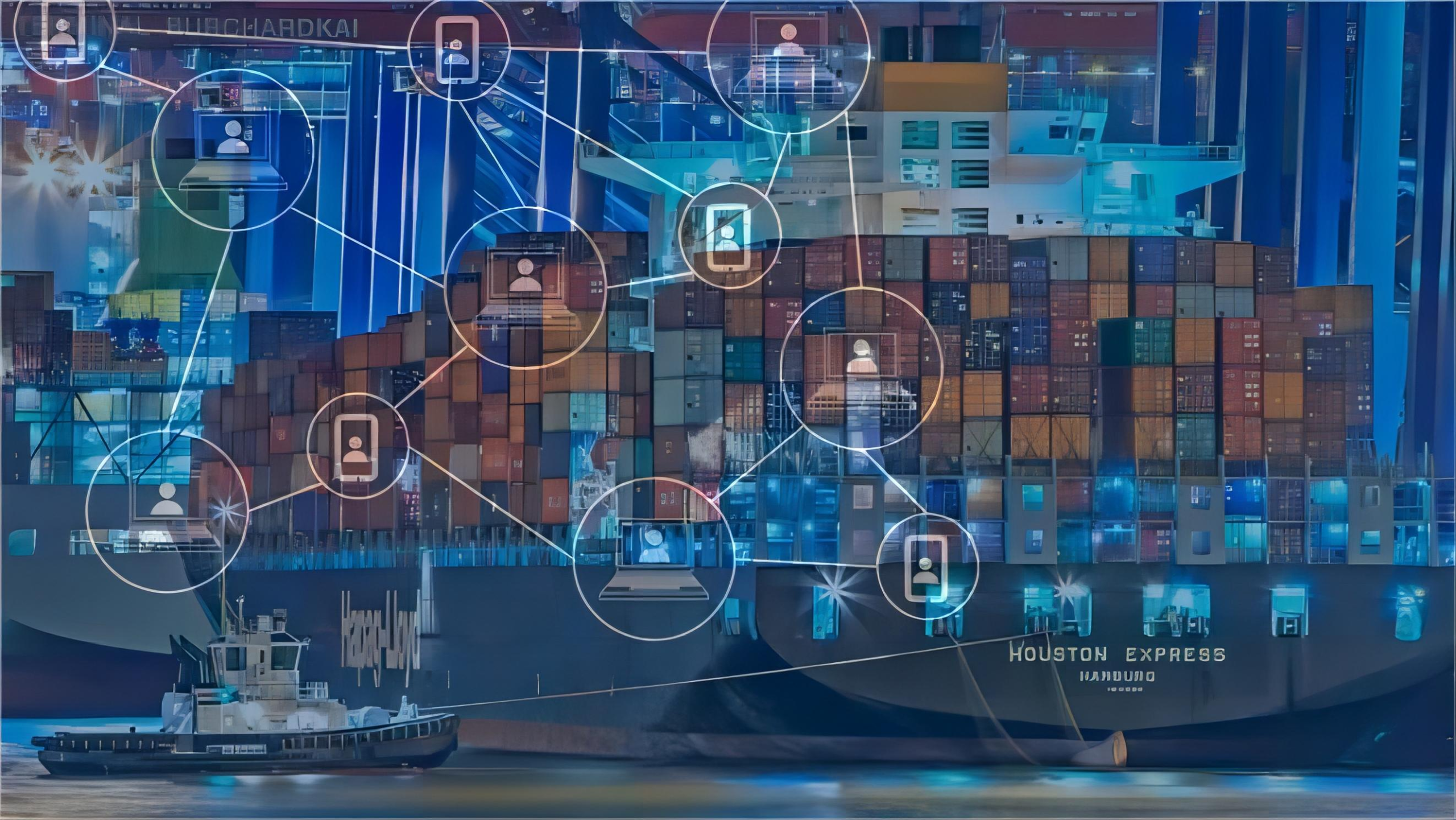
Managing multiple vendors can lead to communication breakdowns and hidden costs. Opting for a door to door solution allows a single provider to manage the entire journey. This includes pickup in China, export clearance, international transport, and final delivery in Australia.
Additionally, this model provides better visibility through integrated tracking systems. Importers can monitor their cargo’s progress in real-time, which improves inventory planning. Furthermore, all-in rates help businesses maintain predictable margins by avoiding surprise local charges.
Efficiency is the primary driver for choosing end-to-end logistics. By streamlining the handoffs between truckers, warehouses, and carriers, the risk of damage or loss is significantly reduced. Therefore, many Australian SMEs prefer this hassle-free approach.
Strategies to Optimize Your Shipping Costs in 2026
Reducing your logistics spend requires a proactive and data-driven strategy. Consolidating smaller shipments into a single larger one can help you access lower weight-break rates from airlines. Moreover, booking your shipments at least 7-10 days in advance can often secure better pricing than last-minute arrangements.
Evaluate your packaging materials to ensure they are both durable and lightweight. Since air freight is sensitive to volume, using custom-sized boxes can eliminate unnecessary chargeable weight. Specifically, avoiding oversized pallets can save hundreds of dollars per shipment.
Negotiating long-term contracts with freight forwarders can also provide stability in a volatile market. While spot rates might occasionally be lower, contract rates protect you from the massive price hikes seen during peak seasons. Indeed, consistency is key to long-term profitability.
Market Intelligence: 2026 Outlook for Australia-China Trade
Current trends suggest that the logistics corridor between China and Australia is becoming more efficient despite global challenges. As of early 2026, increased flight frequencies between major hubs have helped stabilize the china to australia air freight express cargo shipping cost compared to the volatility of previous years. However, environmental regulations are introducing new carbon surcharges that importers must account for.
Technological integration is another major trend shaping the industry. AI-driven route optimization and blockchain-based documentation are reducing administrative overhead. Consequently, transit times are becoming more predictable, allowing for tighter just-in-time manufacturing cycles.
Sustainability is no longer optional in 2026 logistics. Many carriers are now offering green freight options, utilizing sustainable aviation fuel (SAF). While these options may carry a slight premium, they are increasingly required by corporate ESG policies and consumer demand in Australia.
Mastering Your Australia-China Logistics Strategy
Successfully managing the china to australia air freight express cargo shipping cost requires a balance of speed, reliability, and financial prudence. By understanding the factors that drive pricing, such as volumetric weight and seasonal surcharges, you can better navigate the 2026 market. Whether you choose express air for its unmatched speed or standard air for its cost-effectiveness, the key lies in meticulous planning and expert partnership.
Ultimately, the goal is to create a resilient supply chain that can withstand market fluctuations while delivering value to your customers. We encourage you to use the data and frameworks provided in this guide to refine your shipping operations and achieve long-term success in the competitive Australian market.
Ready to streamline your logistics?
Ready to optimize your supply chain and secure the most competitive china to australia air freight express cargo shipping cost for your next shipment? Our team of logistics experts is standing by to provide you with a tailored quote that meets your specific timeline and budget requirements. Contact us today to experience seamless international shipping. Send Inquiry
Request Quote