

China to Australia Shipping Fast: The Ultimate Logistics Guide 2025
Shipping goods across international borders requires a strategic approach to balance speed and cost effectively. Visit DSV-Freight to explore professional logistics solutions tailored to your business needs. Achieving china to australia shipping fast is a primary goal for companies looking to maintain a competitive edge in the modern global marketplace.
What Are the Fastest Shipping Methods from China to Australia?
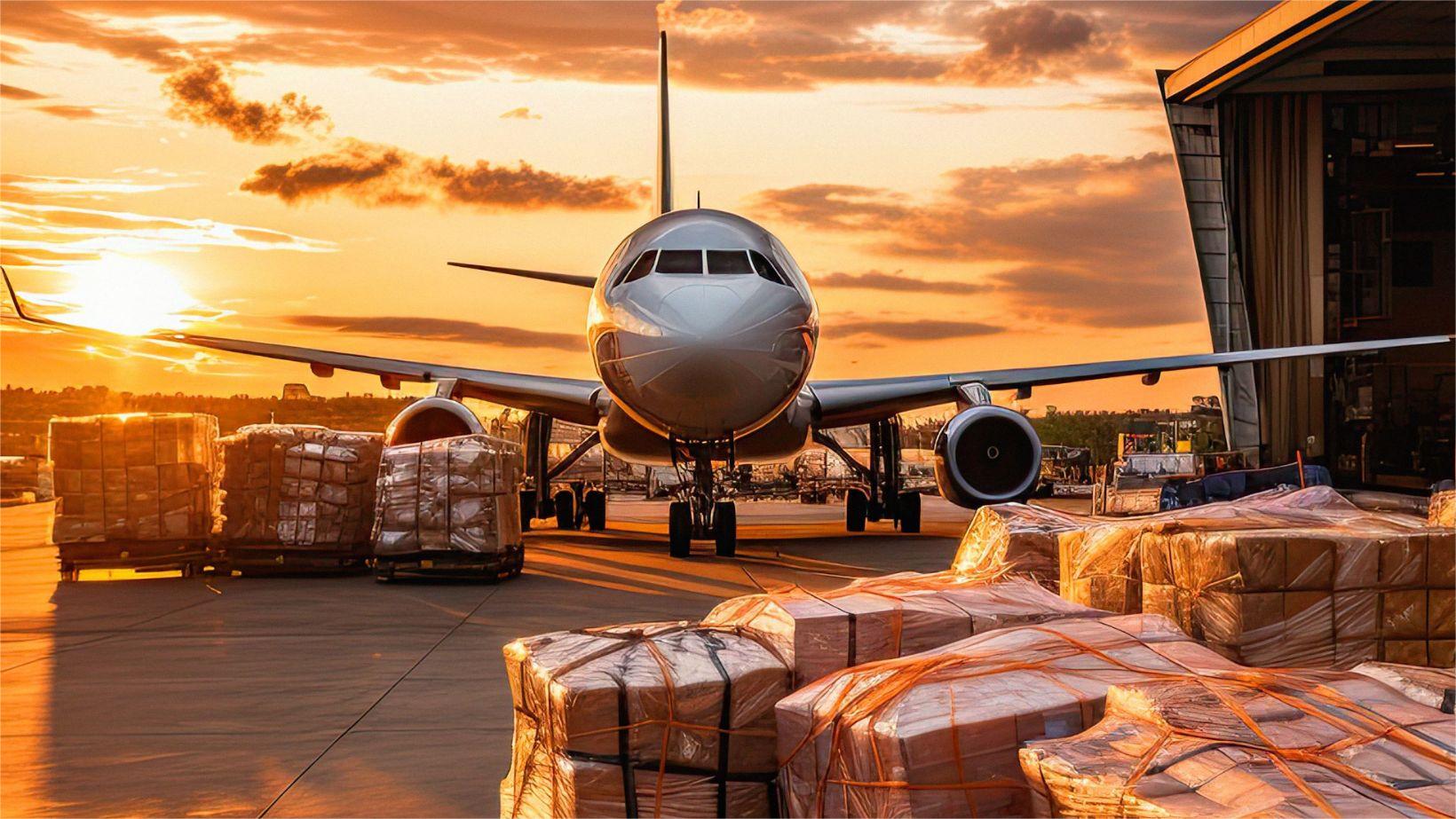
Selecting the right transportation mode is the first step toward ensuring your inventory arrives on time. Air freight remains the most popular choice for businesses that prioritize speed over volume. Moreover, choosing an express service can reduce transit times to just a few days for smaller parcels.
Consequently, many importers utilize courier services like DHL or FedEx for high-value items. These providers manage the entire logistics chain from pickup to final delivery. In contrast, standard air cargo might require additional handling but offers better rates for larger shipments.
Furthermore, the choice between these methods often depends on the urgency of the shipment. If your cargo is under 100 kilograms, express options are usually the most efficient. However, for shipments exceeding this weight, traditional air freight becomes more cost-effective while still providing rapid transit.
How Long Does China to Australia Shipping Fast Actually Take?
Transit times vary significantly based on the specific departure and arrival cities involved in the process. For instance, a direct flight from Shanghai to Sydney takes approximately 10 to 12 hours. Nevertheless, the total door-to-door time includes pickup, export processing, and customs clearance.
Typically, express shipping takes between 3 and 5 business days to reach major Australian hubs. Standard air freight usually requires 5 to 8 days when accounting for airport handling. Meanwhile, sea freight is much slower, often taking 15 to 25 days depending on the port of call.
Additionally, seasonal demand can impact these timelines during peak periods like the Lunar New Year. Therefore, planning ahead is essential to avoid unexpected delays in your supply chain. Reliable logistics partners provide tracking tools to monitor progress in real-time.
| Shipping Method | Average Transit Time | Best For | Service Level |
|---|---|---|---|
| Express Courier | 3-5 Days | Small Parcels | Door-to-Door |
| Air Freight | 5-8 Days | High-Value Cargo | Airport-to-Airport |
| Sea Freight (Fast) | 12-18 Days | Bulk Inventory | Port-to-Port |
| LCL Shipping | 18-25 Days | Medium Volumes | Consolidated |
How Does Air Freight Compare to Other Shipping Options?
Evaluating the pros and cons of each shipping method is vital for making an informed decision. While air freight is the fastest option, it comes with a higher price tag compared to sea transport. Specifically, air cargo rates are calculated based on either actual weight or volumetric weight.
In addition, sea freight is the preferred method for shipping heavy machinery or large volumes of consumer goods. Although it is slower, the cost per unit is significantly lower for bulk shipments. Consequently, businesses often use a mix of both methods to balance their budgets.
To illustrate the difference, shipping a 40HQ container via sea might cost $1,500, whereas the same volume by air would cost tens of thousands. Therefore, air freight is reserved for urgent restocks or perishable items. Most logistics experts recommend sea freight for non-urgent inventory.
| Shipping Method | Cost Range | Transit Time | Limitations |
|---|---|---|---|
| Air Freight | $4.50 – $8.00/kg | 5-8 Days | Weight limits |
| Sea Freight (FCL) | $1,200 – $2,000 | 15-25 Days | Slow transit |
| Sea Freight (LCL) | $60 – $120/CBM | 20-30 Days | Handling risks |
| Express Service | $7.00 – $12.00/kg | 3-5 Days | High cost |

Which Option Should You Choose for Your Cargo?
Deciding on the best logistics strategy requires a clear understanding of your priorities and constraints. If budget is your primary concern, sea freight is almost always the superior choice. However, if speed is the priority for china to australia shipping fast, air freight is the only viable path.
For shipments between 1 and 15 cubic meters, Less than Container Load (LCL) shipping offers a middle ground. This method allows you to share container space with other shippers, reducing costs while maintaining a regular schedule. Furthermore, high-value electronics always benefit from the security of air transport.
Ultimately, you should choose based on the urgency of the delivery and the value of the goods. For instance, a stockout on a popular product might justify the expense of air freight. In contrast, seasonal goods ordered months in advance should travel by sea.
Can You Reduce Costs While Maintaining Fast Shipping Speeds?
Implementing cost-saving strategies does not always mean you have to sacrifice delivery speed. One effective method is to optimize your packaging to reduce volumetric weight. Additionally, consolidating multiple small shipments into one larger air freight booking can lower the rate per kilogram.
Moreover, booking your shipments at least two weeks in advance can help you secure better rates with carriers. Consequently, you avoid the premium prices associated with last-minute cargo space. Many businesses also find that shipping to secondary ports in Australia can sometimes be faster and cheaper.
Notably, working with a freight forwarder allows you to access negotiated contract rates that are not available to individual shippers. These professionals can also suggest hybrid solutions like sea-air freight for certain routes. This approach provides a balance between the speed of air and the economy of sea.
Why Is Customs Brokerage Vital for Expedited Logistics?
Navigating the complexities of international trade regulations is a major challenge for many importers. Utilizing a professional customs brokerage service ensures that all documentation is accurate and compliant. As a result, you avoid costly delays and potential fines at the border.
Furthermore, Australian customs regulations are strict regarding quarantine and prohibited items. Incorrectly labeled goods can be held for inspection, which significantly slows down the shipping process. Therefore, having an expert handle the paperwork is essential for maintaining a fast schedule.
Specifically, your broker will manage the payment of Goods and Services Tax (GST) and any applicable duties. This proactive management allows your cargo to move through the port of entry without unnecessary interruptions. Most fast shipping successes are built on a foundation of efficient customs clearance.
How Do Door to Door Services Improve Delivery Timelines?
Streamlining the entire logistics process from the manufacturer to the final warehouse is highly beneficial. A door to door service eliminates the need for the importer to coordinate multiple transport providers. Consequently, there are fewer handoff points where delays can occur.
Moreover, this integrated approach provides better visibility and tracking for the entire journey. You receive a single point of contact who manages everything from factory pickup in China to final delivery in Australia. This level of service is particularly valuable for businesses without a dedicated logistics department.
Additionally, door-to-door providers often have established relationships with local trucking companies in both countries. This ensures that the first-mile and last-mile segments of the journey are handled as efficiently as the main transit. Speeding up these local segments is often the key to achieving china to australia shipping fast.
What Are the Market Trends for China-Australia Logistics in 2025?
As of early 2025, the shipping market from China to Australia has stabilized following previous global disruptions. Freight rates have returned to more predictable levels, although fuel surcharges remain a variable factor. Industry data suggests that carrier capacity is currently sufficient to meet the growing demand for e-commerce.
Furthermore, there is an increasing trend toward digital logistics platforms that offer instant quoting and booking. This technological shift allows businesses to react more quickly to market changes and inventory needs. Meanwhile, sustainability is becoming a larger focus, with more carriers investing in greener transport options.
Notably, the trade relationship between China and Australia continues to strengthen, leading to more direct shipping routes. These direct services reduce the need for transshipment in hubs like Singapore, which further improves transit times. Staying informed about these trends helps you optimize your shipping from China to Australia.
Real-World Case Studies: Examples of Rapid Freight Delivery
Examining actual shipping scenarios provides valuable insight into the costs and timelines you can expect. These examples reflect typical market conditions and highlight the importance of choosing the right method for specific cargo types.
Case Study 1: Electronics Distribution. Route: Shenzhen to Sydney. Cargo: High-end tablets, 2 CBM, 450 kg. Method: Air Freight. Shipping Details: Direct flight via major carrier. Port of Loading: Shenzhen (SZX). Port of Discharge: Sydney (SYD). Timeline: Booking to Loading: 1 day; Air Transit: 1 day; Customs Clearance: 1 day; Total Door-to-Door: 4 days. Cost Breakdown: Ocean Freight: N/A; Air Freight: $2,850; Origin Charges: $150; Destination Charges: $200; Total Landed Cost: $3,200. Key Insight: Priority handling ensured the product launch date was met without delay.
Case Study 2: Fast Fashion Inventory. Route: Guangzhou to Melbourne. Cargo: Seasonal apparel, 12 CBM. Method: Sea Freight (LCL). Shipping Details: Transshipment via Singapore. Port of Loading: Guangzhou. Port of Discharge: Melbourne. Timeline: Booking to Loading: 3 days; Sea Transit: 16 days; Customs Clearance: 2 days; Total Door-to-Door: 21 days. Cost Breakdown: Sea Freight: $960; Origin Charges: $180; Destination Charges: $250; Total Landed Cost: $1,390. Key Insight: Using LCL allowed the brand to ship smaller batches frequently to match consumer trends.
Case Study 3: Industrial Spare Parts. Route: Shanghai to Brisbane. Cargo: Critical machine components, 50 kg. Method: Express Service. Shipping Details: Door-to-door courier. Port of Loading: Shanghai (PVG). Port of Discharge: Brisbane (BNE). Timeline: Total Door-to-Door: 3 days. Cost Breakdown: Total Landed Cost: $550. Key Insight: The speed of express delivery prevented a factory shutdown in Australia, justifying the higher cost per kilogram.
Summary of Fast Shipping Success
Achieving china to australia shipping fast requires a combination of the right transport mode, accurate documentation, and a reliable logistics partner. Whether you choose air freight for its speed or optimized sea freight for its value, understanding the trade-offs is essential for your business success.
Furthermore, leveraging services like customs brokerage and door-to-door delivery can significantly reduce the risk of delays. As market conditions evolve in 2025, staying flexible and informed will allow you to maintain an efficient and cost-effective supply chain.
Ready to streamline your logistics?
Ready to streamline your supply chain and achieve china to australia shipping fast? Contact our expert team today for a personalized quote and professional logistics advice. Visit DSV-Freight to get started with our reliable shipping solutions.
Request Quote