
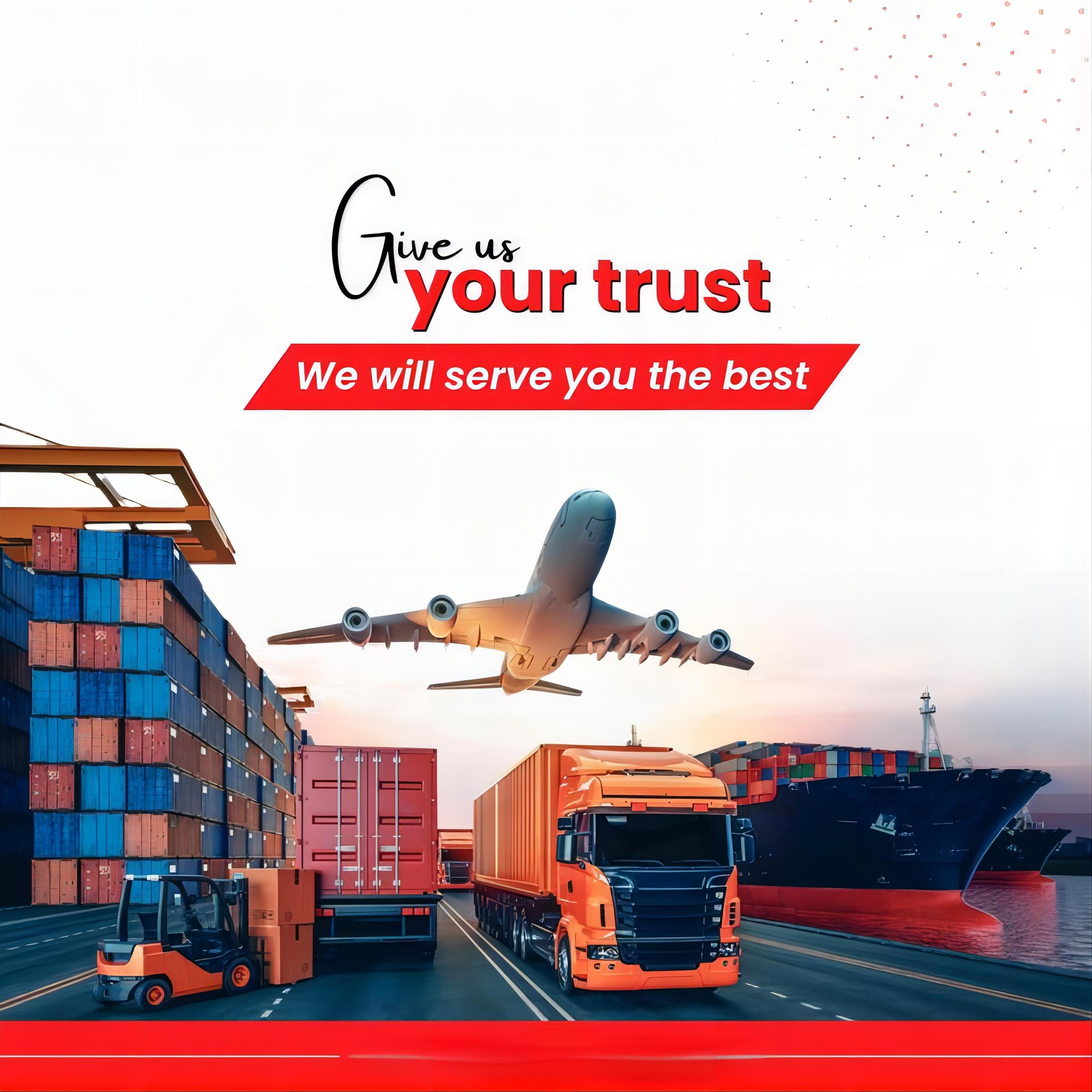
China to Brazil Sea Freight Container Shipping Cost: 2026 Guide
Navigating the complexities of international trade requires a deep understanding of current market dynamics and logistical variables. As of early 2026, the china to brazil sea freight container shipping cost has stabilized following previous global supply chain shifts, making it a critical time for importers to optimize their budgets. This comprehensive guide provides the essential data and strategic insights needed to manage your cargo effectively across this major trade lane.
What Factors Influence China to Brazil Sea Freight Container Shipping Cost?
Determining the final price for your shipment involves analyzing several interconnected variables that fluctuate based on market demand. Fuel surcharges, often referred to as Bunker Adjustment Factors, play a significant role in the monthly adjustments of ocean freight rates. Additionally, seasonal peaks such as the period leading up to the Lunar New Year or the Brazilian retail season can lead to capacity shortages and higher prices.
Port congestion remains a critical factor that can indirectly increase your total expenditure through demurrage and detention fees. Choosing the right sea freight service provider allows you to mitigate these risks through better planning and carrier relationships. Furthermore, the type of container selected, whether a standard 20GP or a high-cube 40HQ, directly dictates the base freight rate you will pay.
Currency exchange rates between the US Dollar, Chinese Yuan, and Brazilian Real also impact the overall landed cost of goods. Consequently, many experienced importers lock in rates with long-term contracts to avoid the volatility of the spot market. Market data suggests that rates in 2026 have become more predictable, yet proactive management of these factors is still essential for maintaining healthy profit margins.
Understanding FCL vs LCL Shipping Options
Full Container Load (FCL) is generally the most cost-effective method for large shipments that can fill an entire 20-foot or 40-foot container. This method offers better security and faster handling since the container remains sealed from the point of origin to the final destination. On the other hand, Less than Container Load (LCL) is ideal for smaller volumes where you only pay for the space your cargo occupies within a shared container.
Selecting between these two depends heavily on your total volume and the urgency of the delivery. Indeed, once your shipment exceeds 15 cubic meters, switching from LCL to FCL often results in a lower cost per unit. Moreover, FCL shipments typically experience fewer delays at customs because they do not require the consolidation and deconsolidation processes associated with LCL cargo.
To ensure a smooth transition through the border, engaging a professional customs brokerage service is highly recommended. They can help you navigate the specific tax structures and documentation required by Brazilian authorities, regardless of whether you choose FCL or LCL. Always consider the trade-off between the lower base rate of LCL and the potentially higher destination fees that come with shared container handling.
| Container Type | Capacity (CBM) | Avg. Cost (USD) | Best For |
|---|---|---|---|
| 20GP Standard | 33 CBM | $2,200 – $3,100 | Heavy, dense goods |
| 40GP Standard | 67 CBM | $3,800 – $4,900 | General merchandise |
| 40HQ High Cube | 76 CBM | $4,200 – $5,500 | Light, bulky items |
How Does Sea Freight Compare to Other Shipping Options?
While sea freight is the backbone of global trade, it is important to evaluate it against other methods like air freight or hybrid solutions. Sea freight remains the undisputed leader for cost efficiency, especially for bulk commodities and large consumer goods. However, if your supply chain requires rapid replenishment, the significantly higher cost of air freight might be justified by the time saved.
Alternative strategies often involve a mix of transport modes to balance speed and expense. For instance, some businesses utilize sea-air combinations where goods are shipped by sea to a hub and then flown to the final destination in Brazil. This approach can reduce transit times by 50% compared to pure sea freight while keeping costs lower than pure air transport.
Rail freight is currently not a viable direct option for the China to Brazil route due to the lack of trans-oceanic rail infrastructure. Therefore, sea freight remains the primary choice for over 90% of trade between these two nations. Understanding these trade-offs is vital for any business looking to optimize its logistics spend in 2026.
| Method | Cost Range | Transit Time | Limitations |
|---|---|---|---|
| Sea Freight | $2,500 – $5,500 | 30 – 45 Days | Slow transit |
| Air Freight | $8,000 – $15,000+ | 5 – 10 Days | Weight limits |
| Sea-Air Hybrid | $5,000 – $9,000 | 18 – 25 Days | Complex handling |
Which Option Should You Choose?
Decision-making should be guided by your specific business priorities and the nature of your products. If your primary goal is budget priority, sea freight is the clear winner for almost any volume over 1 cubic meter. Conversely, if you are dealing with high-value electronics or perishable items, the speed priority of air freight becomes much more attractive despite the price premium.
Volume thresholds also play a major role in your selection process. For shipments under 200kg, express services or air freight are often more economical when considering total door-to-door costs. Meanwhile, for large-scale industrial projects or high-volume retail stock, FCL sea freight provides the necessary scale and cost-per-unit advantages.
Cargo type considerations must also include the risk of damage and the cost of insurance. Sea freight involves more handling and longer exposure to the elements, which might require more robust packaging. In contrast, air freight offers a smoother journey, potentially reducing the need for heavy, expensive protective materials.
Major Ports and Transit Times in 2026
The journey from China to Brazil typically spans across the Pacific or through the Atlantic via transshipment hubs. Major Chinese ports like Shanghai, Ningbo, and Shenzhen offer the most frequent departures and competitive rates. Transit times can vary significantly depending on whether the vessel takes a direct route or stops at intermediate ports like Singapore or Durban.
Brazilian ports such as Santos, Paranagua, and Itajai are the primary gateways for international cargo. Santos, being the largest port in South America, handles the bulk of containerized traffic but can occasionally face congestion. Choosing a door to door service can help manage the complexities of inland transport once the container arrives at the port.
According to industry benchmarks, a direct shipment from Shanghai to Santos takes approximately 32 to 38 days. Furthermore, adding inland delivery to cities like Sao Paulo or Belo Horizonte can add another 3 to 7 days to the total timeline. Planning for these durations is essential to avoid stockouts and maintain a consistent supply chain flow.
| Origin Port | Destination Port | Avg. Transit Time | Route Type |
|---|---|---|---|
| Shanghai | Santos | 34 Days | Direct |
| Ningbo | Paranagua | 38 Days | Transshipment |
| Shenzhen | Rio de Janeiro | 36 Days | Direct |
| Qingdao | Itajai | 42 Days | Transshipment |
Real-World Logistics Case Studies
Examining actual shipping scenarios provides a clearer picture of the total landed cost and potential challenges. These cases reflect the market conditions of early 2026 and demonstrate how different strategies impact the final outcome. Whether you are a small business or a large enterprise, these examples offer valuable benchmarks for your own logistics planning.
Case Study 1: Industrial Machinery from Ningbo to Paranagua. +———————————————————+ | Route: Ningbo, China to Paranagua, Brazil | Cargo: CNC Machinery, 18 CBM, 6000 kg | Container: 20GP | Shipping Details: | – Carrier/Service: Major carrier | – Port of Loading: Ningbo | – Port of Discharge: Paranagua | – Route Type: Transshipment via Singapore | Cost Breakdown: | – Ocean Freight: $2,850 | – Origin Charges: $320 | – Destination Charges: $480 | – Customs and Duties (estimated): $4,500 | – Total Landed Cost: $8,150 | Timeline: | – Booking to Loading: 6 days | – Sea Transit: 39 days | – Customs Clearance: 5 days | – Total Door-to-Door: 50 days | Key Insight: Transshipment was chosen to save $400 compared to direct routes. +———————————————————+
Case Study 2: Retail Apparel from Shenzhen to Santos. +———————————————————+ | Route: Shenzhen, China to Santos, Brazil | Cargo: Summer Clothing, 65 CBM, 8000 kg | Container: 40HQ | Shipping Details: | – Carrier/Service: Direct Service | – Port of Loading: Shenzhen | – Port of Discharge: Santos | – Route Type: Direct | Cost Breakdown: | – Ocean Freight: $4,600 | – Origin Charges: $400 | – Destination Charges: $600 | – Customs and Duties (estimated): $5,200 | – Total Landed Cost: $10,800 | Timeline: | – Booking to Loading: 4 days | – Sea Transit: 33 days | – Customs Clearance: 3 days | – Total Door-to-Door: 40 days | Key Insight: High-cube container maximized volume efficiency for light cargo. +———————————————————+
Note: Freight rates are subject to change based on fuel costs, carrier capacity, and seasonal demand. Contact us for a current quote tailored to your specific shipment.
Cost Saving Strategies for Brazil-Bound Cargo
Reducing your china to brazil sea freight container shipping cost requires a combination of smart planning and operational efficiency. One effective method is to consolidate multiple small orders into a single FCL shipment, which significantly lowers the per-unit transport cost. Additionally, optimizing your packaging to fit more items into a container can prevent the need for additional shipments.
Negotiating with multiple freight forwarders allows you to compare different carrier contracts and find the most competitive spot rates. Furthermore, if you are selling on major platforms, utilizing specialized Amazon FBA logistics services can streamline the process of getting goods into the Brazilian market. These services often provide integrated solutions that include storage and local distribution.
Timing your bookings is another crucial strategy for saving money. Booking at least 3-4 weeks in advance usually secures better rates and guarantees space on the vessel. Moreover, avoiding the peak season surcharges by shipping during the quieter months of March through May can lead to savings of up to 20% on ocean freight.
Mastering Your Shipping Strategy from China to Brazil
In summary, understanding the various components of the china to brazil sea freight container shipping cost is the first step toward a more efficient supply chain. By carefully choosing between FCL and LCL, selecting the right ports, and implementing cost-saving strategies, you can significantly reduce your overhead. As the 2026 market continues to evolve, staying informed and flexible will remain your greatest advantage in international trade.
Indeed, the partnership between Chinese manufacturers and Brazilian importers continues to grow, supported by improving logistics infrastructure. Whether you are shipping machinery, electronics, or consumer goods, the right logistics partner will ensure your cargo arrives safely and cost-effectively. Start planning your next shipment today to take full advantage of the current market stability.
Need a tailored shipping solution?
Optimizing your china to brazil sea freight container shipping cost is essential for your business success in 2026. Contact our expert team today to receive a personalized quote and discover how we can streamline your international logistics. Visit our inquiry page to get started now.