

China to Europe DDP Shipping Agent: Complete 2026 Guide
Navigating the complexities of a China to Europe DDP shipping agent requires precise control over destination customs and duty liabilities to ensure your landed costs remain predictable. Many importers face unexpected port-of-entry surcharges and IOR disputes because of ambiguous Incoterm applications at the point of origin. By partnering with Dsv Freight, businesses can consolidate their cargo and secure all-inclusive, duty-paid delivery to European doorsteps. This guide explores the essential frameworks for managing duty-inclusive ocean freight, from initial port-of-loading stuffing to the final, tax-cleared delivery in Europe.
Key Takeaways
A standard 40HQ container provides approximately 68-76 CBM of usable space, while a 20GP holds 26-28 CBM for dense general cargo.
DDP shipping requires the seller or forwarder to act as the Importer of Record (IOR) for all EU customs and VAT filings.
Ocean door-to-door transit to major hubs like Rotterdam or Hamburg typically ranges from 28 to 35 days, including port dwell and CFS processing.
Proper HS code classification is mandatory to avoid customs revaluation penalties and duty surcharges during the EU import declaration process.
What Should Buyers Know First About DDP Shipping on This Lane?

Delivered Duty Paid (DDP) is the most comprehensive Incoterm, placing the maximum obligation on the seller to deliver goods to the buyer’s door in Europe. For importers, this means the seller handles all export procedures in China, international freight, and, crucially, all import customs clearance and tax payments in the destination country. Before beginning, buyers must understand that while DDP offers convenience, it requires a high degree of trust in the forwarder’s ability to navigate EU-specific regulations and tax compliance.
The primary risk in this lane involves the misclassification of goods or the incorrect valuation of the commercial invoice, which can lead to significant delays at European ports. When your China to Europe DDP shipping agent manages the process, they must ensure the cargo is prepared for the specific import requirements of the target EU member state. Failure to provide accurate EORI information or failing to account for specific product conformity marks can result in the cargo being held in customs, incurring heavy daily storage fees.
To mitigate these risks, buyers should demand full transparency regarding the ‘landed cost’ breakdown provided by their logistics partner. Ensure that the quoted price explicitly includes port handling, terminal charges, and the duty/tax component, rather than listing them as separate, variable surcharges. By verifying these elements upfront, you move from a reactive position to a proactive supply chain strategy that prioritizes cost certainty and inventory arrival reliability.
Common mistake: Assuming DDP covers all possible local destination fees without verifying the quote scope.
Risk alert: Customs holds due to valuation discrepancies can trigger mandatory, costly inspections.
Who Bears Duty, Tax, and IOR Liabilities Under DDP Terms?
Under DDP, the seller or their designated agent is legally responsible for acting as the Importer of Record (IOR) and satisfying all fiscal obligations upon entry into the European Union. This includes paying import duties and the applicable Value Added Tax (VAT) at the destination port. Because the seller retains these responsibilities, they must ensure that their logistics provider has the expertise to correctly calculate the tax liability based on the declared commercial value of the shipment.
If a customs authority in a hub like Rotterdam or Hamburg rejects the entry, the liability for the resulting demurrage and storage costs rests with the party responsible for the DDP agreement. This creates a significant incentive for the forwarder to ensure that all documentation is perfectly aligned with the cargo’s physical reality. Any discrepancy between the commercial invoice and the actual goods found during a physical customs examination can lead to the seizure of the cargo or the imposition of heavy administrative fines.
For the buyer, the benefit is simplified accounting, but the downside is potential exposure to the seller’s logistical failures. To protect your interests, always ensure that your agreement specifies that the forwarder is responsible for the payment of all EU taxes and duties, and confirm that they have a functioning EORI registration in the destination country. This ensures that the customs entry is processed without requiring the buyer to become involved in the administrative burden of tax clearing.
| Cost Component | Typical Assessment Base | Who Usually Pays | Planning Note |
|---|---|---|---|
| CIF / customs value | Goods value + freight + insurance (as declared) | Importer of record | Wrong valuation drives duty and VAT/GST miscalc |
| Import duty / tariff | % of customs value by HS chapter | Importer / DDP seller (by Incoterms) | Confirm HS binding before award |
| VAT / GST / sales tax | Duty-paid value (or local statutory base) | Importer / fiscal representative | Registration and reclaim rules vary by market |
| Customs broker / clearance fee | Per entry or per shipment band | Importer / nominating party | Separates from freight; exams add extras |
| Exam / storage / disbursement | Event-driven (exam, demurrage, advance) | Importer / broker client account | Often outside base ocean/truck quote |
Common mistake: Failing to verify if the forwarder has a valid EU EORI number for customs clearance.
Risk alert: Incorrectly declared values can lead to permanent blacklisting of the importer’s tax ID.
DDP vs DAP vs FOB: Which Trade Term Cuts Your True Landed Cost?
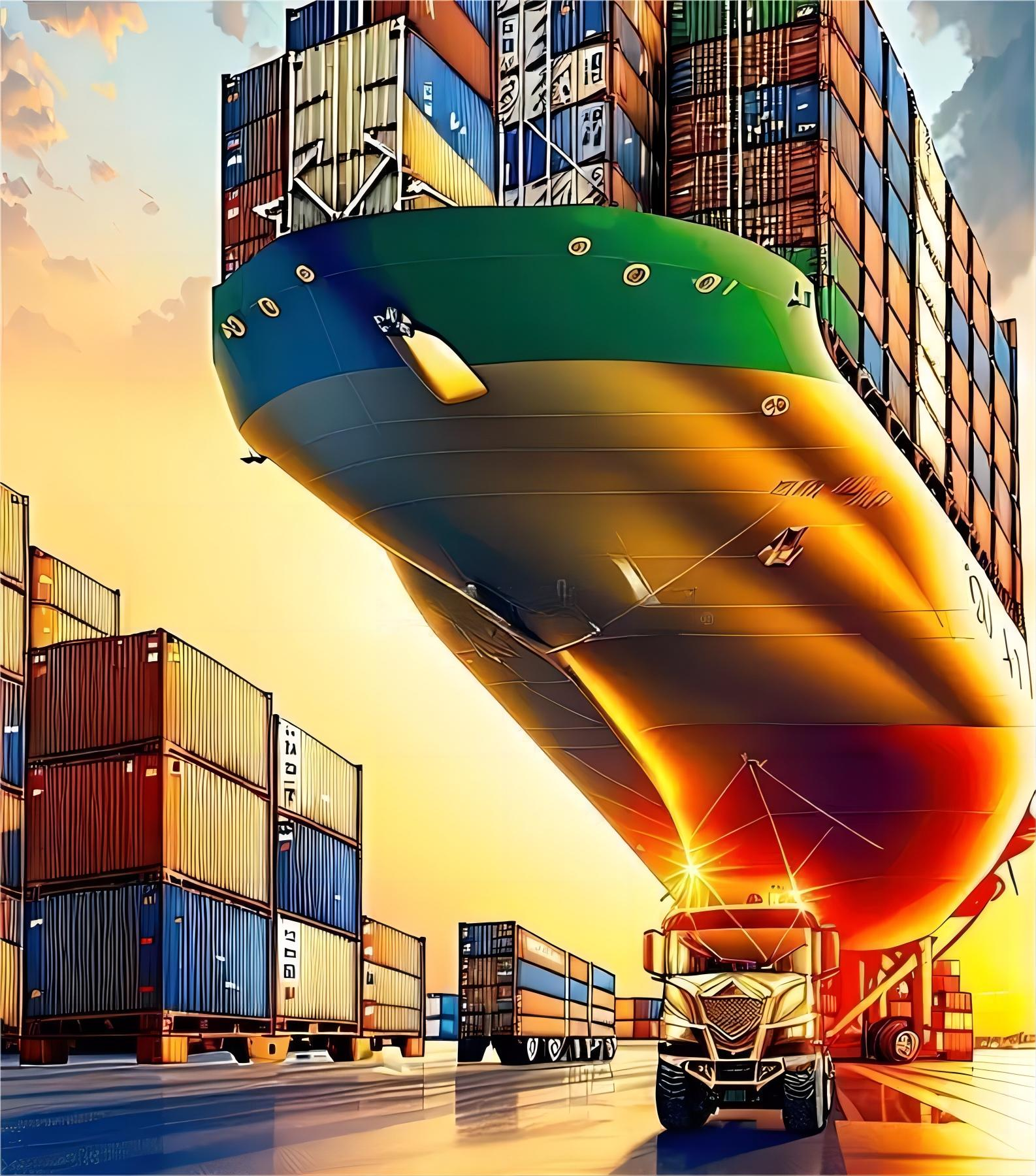
Choosing between DDP, DAP (Delivered at Place), and FOB (Free on Board) depends on your appetite for administrative overhead versus cost predictability. With FOB, you control the freight and customs, which gives you visibility but exposes you to market rate fluctuations and the complexity of managing local European customs brokers. DDP, conversely, shifts this entire burden to the seller, providing a fixed landed cost that is ideal for businesses that want to avoid the complexities of international trade compliance.
When comparing these terms, focus on the total landed cost rather than just the shipping fee. DDP may appear more expensive on a line-item quote because it bundles duties and destination charges, but it often saves money by preventing the ‘hidden’ costs of shipping—such as unexpected detention, customs broker fees, and administrative surcharges—that are common in DAP or FOB arrangements. The key is to compare the ‘all-in’ price and ensure the service level agreement covers all potential port-to-door, tax-inclusive scenarios.
Your decision should ultimately reflect your internal capacity to handle import documentation. If your team is not equipped to manage EU customs filings or the intricacies of VAT settlement, DDP is the superior choice. However, if you are a high-volume importer with an internal customs department, FOB may offer better control over your supply chain and the ability to reclaim VAT more effectively. Always perform a cost analysis that includes the staff time required for compliance when deciding between these trade terms.
Common mistake: Ignoring the VAT recovery implications when choosing between DDP and buyer-cleared terms.
Risk alert: Low-cost DDP quotes often exclude VAT, leading to unexpected demands at the door.
What Transit Timelines and Dwell Windows Apply to DDP Cargo?
Transit timelines for ocean freight from China to Europe are heavily influenced by port congestion and the efficiency of the chosen gateway. A typical door-to-door shipment to a major European city involves a 28 to 35-day window, which accounts for the ocean crossing, port discharge, customs release, and final-mile drayage. It is critical to distinguish between the ‘sailing time’—which only covers port-to-port—and the ‘door-to-door’ window, which includes the often-variable dwell time at the destination terminal.
During peak seasons, port dwell times at major hubs like Antwerp or Rotterdam can extend by several days, impacting your inventory planning. Your China to Europe DDP shipping agent should provide a realistic estimate that includes a buffer for these potential delays. Effective communication regarding the cut-off dates for vessel loading and the estimated arrival date at the destination CFS is essential for ensuring that your last-mile delivery aligns with your warehouse receiving schedule.
To optimize your transit window, ensure that your documentation is finalized and submitted well before the cargo arrives at the port of discharge. Delays in filing the ENS (Entry Summary Declaration) or providing the necessary commercial invoice to the customs broker can lead to extended dwell times that negate the benefits of a fast ocean transit. Always track your shipment milestones closely and maintain a contingency plan for potential port-side delays that are outside the control of the carrier.
| Milestone | Typical Days | Risk Level | Responsibility |
|---|---|---|---|
| Origin Stuffing | 2-3 Days | Low | Shipper |
| Ocean Transit | 25-30 Days | Moderate | Carrier |
| Port Dwell | 3-7 Days | High | Terminal/Broker |
| Final Drayage | 1-3 Days | Low | Carrier/Agent |
Common mistake: Confusing ocean transit time with the actual door-to-door delivery schedule.
Risk alert: Port congestion at major EU hubs can add 7+ days to your expected delivery.
How Are All-Inclusive DDP Rates and Duty Surcharges Built?
Building an all-inclusive DDP rate requires the consolidation of multiple cost centers into a single, transparent figure. These rates include ocean freight, terminal handling charges (THC), security filings, customs brokerage fees, and the actual duty/tax amounts paid upon entry. By bundling these, your sea freight provider removes the uncertainty associated with variable destination charges, allowing you to price your products with confidence.
The duty surcharge component is calculated based on the HS code of your goods and their declared commercial value. It is standard for forwarders to utilize a tiered approach, where they might charge a flat fee for documentation and a percentage-based fee for the actual duty and tax settlement. Because EU duty rates can vary wildly depending on the specific product category, it is essential that you provide accurate HS codes and invoice values to avoid being charged a ‘worst-case scenario’ duty fee by your agent.
When reviewing a quote, look for the ‘all-in’ clause that explicitly states which charges are included. Avoid quotes that list ‘destination charges as per local tariff,’ as these are often the source of post-arrival invoice shocks. A professional forwarder will provide a summary that breaks down the ocean freight from the customs/duty portion, allowing you to audit the costs against market benchmarks and ensure you are not paying excessive handling markups.
Common mistake: Accepting ‘all-in’ quotes that fail to define the specific destination charges included.
Risk alert: Variable port fees can inflate the final invoice by 15-20% if not capped in the contract.
What Documents and Filings Are Mandatory Under DDP?
Successful DDP clearance depends on the accuracy of your documentation, specifically the commercial invoice, the packing list, and the bill of lading. These documents serve as the primary evidence for customs authorities in the destination country, defining the nature, value, and origin of the goods. For shipments into the EU, you must also ensure that the ICS2 entry summary declaration is filed correctly, as this is a mandatory safety and security filing that precedes the arrival of the vessel.
The commercial invoice must clearly state the Incoterm (DDP) and provide enough detail to satisfy customs inspectors regarding the commodity’s classification. If your goods fall under specific regulatory requirements, such as CE marking or chemical compliance, the relevant certificates must be attached to the shipment file. Failure to provide these documents at the time of entry will trigger a customs hold, which can lead to daily storage charges and the potential for the goods to be returned to the origin.
Maintain a digital repository of all shipping documents for every transaction. This should include the bill of lading, the customs declaration form, and the receipt of duty payment provided by your agent. Having an organized document trail is not only vital for your own accounting but is also a legal requirement for audit purposes. By ensuring your warehouse services integration remains tight with your documentation flow, you minimize the risk of inventory stagnation.
| Document / Filing | Lead Time | Responsible Party | Hold if Missing |
|---|---|---|---|
| ICS2 Entry Summary (ENS) | Pre-arrival cut-off by mode | Carrier / Declarant | Do-not-load / diversion |
| EORI number | Before first EU import | Importer | Unable to lodge entry |
| Import declaration (national) | At clearance | Importer / Broker | Bonded hold |
| Commercial invoice + packing list | With entry packet | Exporter | Valuation delay |
Common mistake: Providing vague product descriptions on the commercial invoice, leading to customs scrutiny.
Risk alert: Missing CE marking documents can result in a total import ban for regulated goods.
What Is the Step-by-Step DDP Workflow from Supplier to Door?
The DDP workflow begins with origin consolidation, where the cargo is staged, inspected, and verified against the commercial invoice before being loaded into the container. Once the export declaration is filed in China, the cargo enters the main-haul transit phase. During this time, the forwarder is responsible for monitoring the vessel’s progress and preparing the destination customs documentation, including the EORI-linked import declaration, to ensure a seamless hand-off upon arrival.
Upon arrival at the European port, the cargo is transferred to the customs-controlled zone for clearance. The forwarder pays the required duties and taxes on behalf of the importer, securing the customs release. Once released, the container is drayed to the final destination, where the cargo is offloaded and the shipment file is closed. This entire process relies on the coordination between the origin team and the destination customs brokerage team to ensure no gaps occur during the handover.
Throughout this process, the buyer should receive regular status updates on the cargo’s location, the status of the customs filing, and the estimated arrival time for the final delivery. The key to a successful DDP workflow is proactive communication; if an issue arises during customs, the agent should inform the buyer immediately with a proposed resolution. This level of transparency is exactly what you should expect from a reliable partner when moving goods at scale through major European gateways.
Common mistake: Failing to coordinate the final delivery slot with the receiving warehouse in Europe.
Risk alert: Unscheduled drayage arrivals at the delivery point can result in significant waiting time fees.
Decision Framework
By volume: Low CBM favors LCL or groupage into an EU hub; full wagon / 40HQ lots justify direct China–EU rail or ocean with scheduled last-mile trucking.
By speed: Urgent windows use air or expedited truck from the first EU hub; standard replenishment rides ocean/rail once ENS and EORI are locked.
By cargo profile: Confirm EORI, ENS/ICS2, and any product conformity marks before hub discharge.
Real-World Corridor Case Studies
An industrial machinery importer booked a 40HQ from Shenzhen to Rotterdam on a direct Far East–North Europe string. The forwarder aligned commercial invoice, packing list, and B/L data before CY gate-in so EU customs release and inland drayage stayed inside free time.
A home goods brand moved mixed-SKU cartons from Ningbo to Hamburg. Origin CFS consolidation and destination free-time tracking kept demurrage exposure inside the quoted all-in ocean band.
DDP Execution Plan: Duty-Paid Door Delivery in 2026
Reliable China to Europe DDP shipping hinges on IOR clarity, declared-value accuracy, and prepaid duty settlement on the trade lane. By maintaining strict control over documentation and partnering with an experienced agent, you can bypass the risks of customs holds and unexpected port surcharges that often plague international trade.
Treat customs liability and last-mile delivery as one locked workflow—not separate afterthoughts. Your commitment to compliance and transparency will ensure a competitive advantage in the European market, allowing you to scale your operations without the fear of logistical bottlenecks.
Process and Checkpoints
Origin Consolidation & Cargo Intake
Collect multi-supplier lots, verify packing lists, and stage cargo for export under DDP scope.
Export Customs Declaration
File China export declaration with commercial invoice, packing list, and HS codes aligned to declared value.
Mainhaul Transit
Move freight on booked ocean service with DDP liabilities retained by the seller/forwarder.
Destination Duty-Paid Clearance
Act as or appoint IOR, pay duties/taxes, and secure customs release before last-mile dispatch.
Bonded Hand-off & Tax Settlement
Reconcile duty receipts, release holds, and confirm tax settlement against the commercial invoice.
Final-Mile Door Delivery
Deliver duty-paid cargo to the consignee door and close the DDP shipment file.
Confirm the right route for your shipment
Need an all-inclusive DDP quote? Share commercial invoice value, HS codes, gross weight, CBM, and destination zip for a duty-paid door proposal.
Request a route reviewFrequently Asked Questions
What is the Importer of Record (IOR) role under DDP door delivery?
The IOR is legally responsible for entry filings, duties, and compliance; without one, cargo can be seized.
Which fees are often excluded from headline DDP quotes?
Customs exams, liftgate/residential delivery, and storage during tax review frequently sit outside base DDP.
How does HS code misclassification change the all-in DDP duty line?
Wrong HS chapters can raise duty rates materially and trigger amendments, exams, or bond issues.
When should buyers request a continuous bond instead of single-entry bonds?
High-frequency or high-value importers usually need a continuous bond to avoid per-shipment shortfalls.
What happens if destination customs holds a DDP shipment for exam?
Exam fees plus yard or rail-terminal storage accrue until release—even when freight and duties were prepaid under DDP.
How can shippers control demurrage, detention, or terminal storage after a customs hold?
Pre-lodge entry data, keep HS/value packs audit-ready, and escalate broker responses inside free time before last-mile trucks are dispatched.
Rates and surcharges fluctuate; request an itemized quote.
Informational only; not binding legal/tax/customs advice.
Benchmarks reflect standard 2026 practice for this corridor.