
China to France Logistics Company Door to Door: 2026 Guide
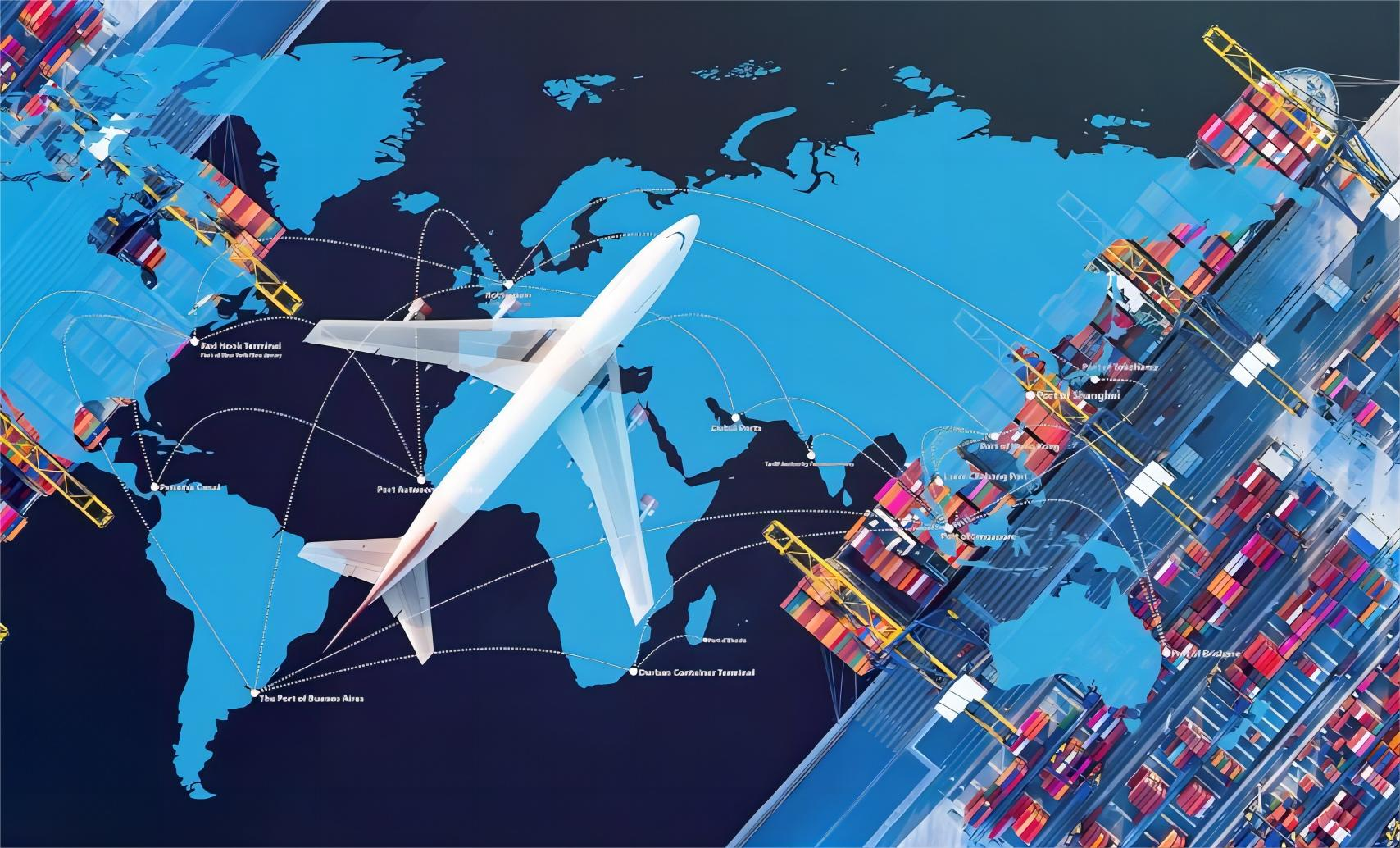
Finding a reliable china to france logistics company door to door is essential for businesses navigating the complex trade lanes of 2026. Managing international shipping costs while ensuring timely delivery requires a strategic partner that understands European customs regulations and local logistics trends. This comprehensive guide explores how to optimize your supply chain, reduce transit times, and select the most cost-effective shipping methods for your cargo.
How Does China to France Logistics Company Door to Door Service Work?
Door to door shipping simplifies the entire import process by managing every stage of the journey from the supplier in China to the final destination in France. Initially, the logistics provider coordinates the pickup of goods from the factory or warehouse in cities like Shenzhen, Ningbo, or Shanghai. Consequently, the provider handles all export documentation and port handling, ensuring the cargo meets Chinese customs requirements before departure.
Choosing this comprehensive service means you do not have to worry about coordinating multiple carriers or local truckers. Furthermore, the logistics company manages the main transit via sea freight, air, or rail, depending on your budget and timeline requirements. Upon arrival at French ports like Le Havre or Marseille, the provider executes customs clearance and final mile delivery directly to your door.
Effective logistics supply chain management relies on this seamless integration to prevent delays at transshipment points. Moreover, door to door services often include all-in pricing, which covers ocean freight, local charges, and delivery fees. This transparency helps businesses accurately calculate their landed costs and maintain healthy profit margins in a competitive market.
The Stages of Door to Door Shipping
The process begins with cargo consolidation and warehouse handling at the origin. Following this, the logistics company secures space with major carriers and manages the loading process. Once the vessel or aircraft departs, real-time tracking provides visibility into the delivery schedule. Finally, import clearance and last-mile trucking complete the cycle, delivering goods directly to your warehouse or retail location.
Comparing Shipping Methods: Sea, Air, and Rail Freight
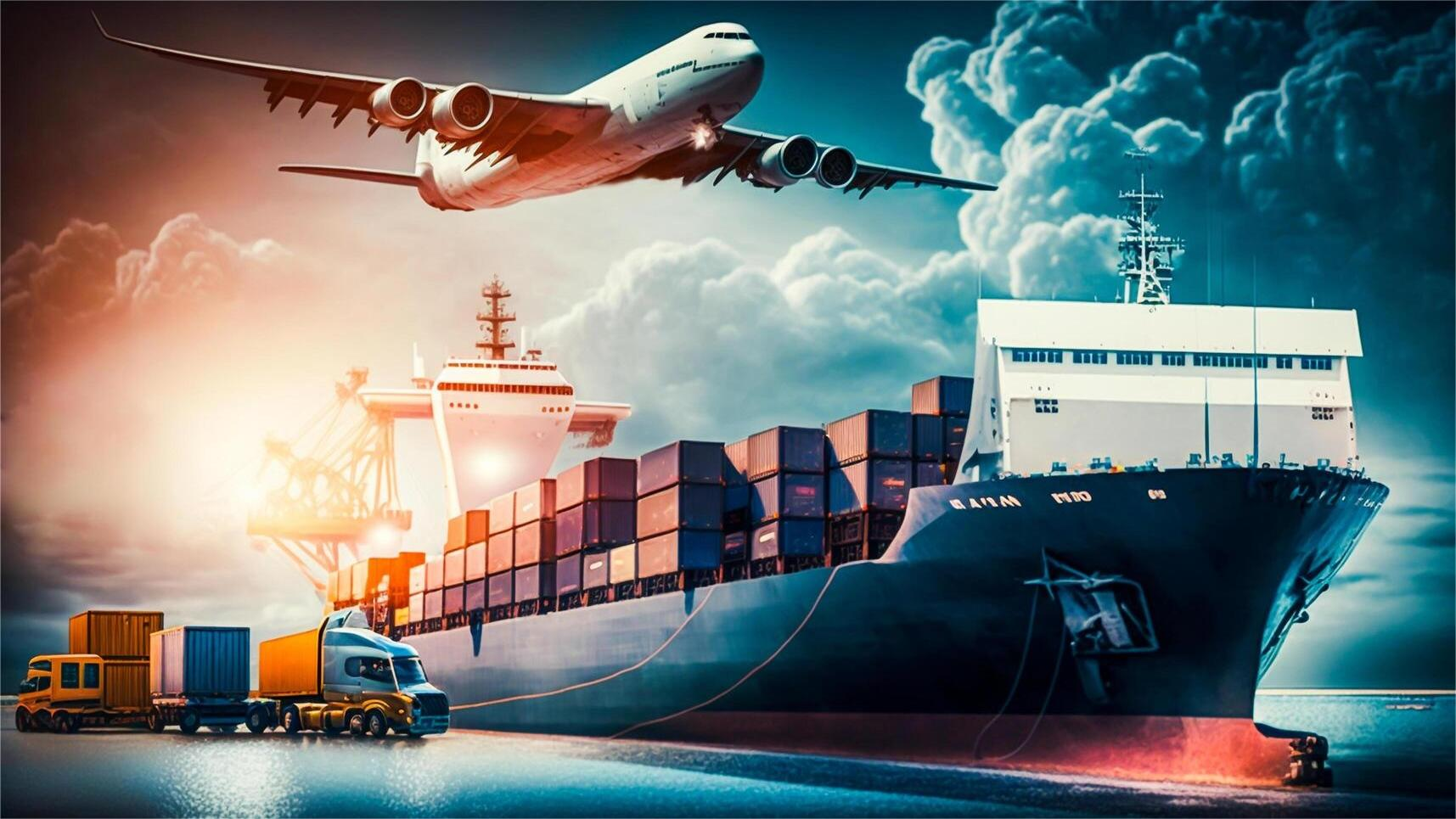
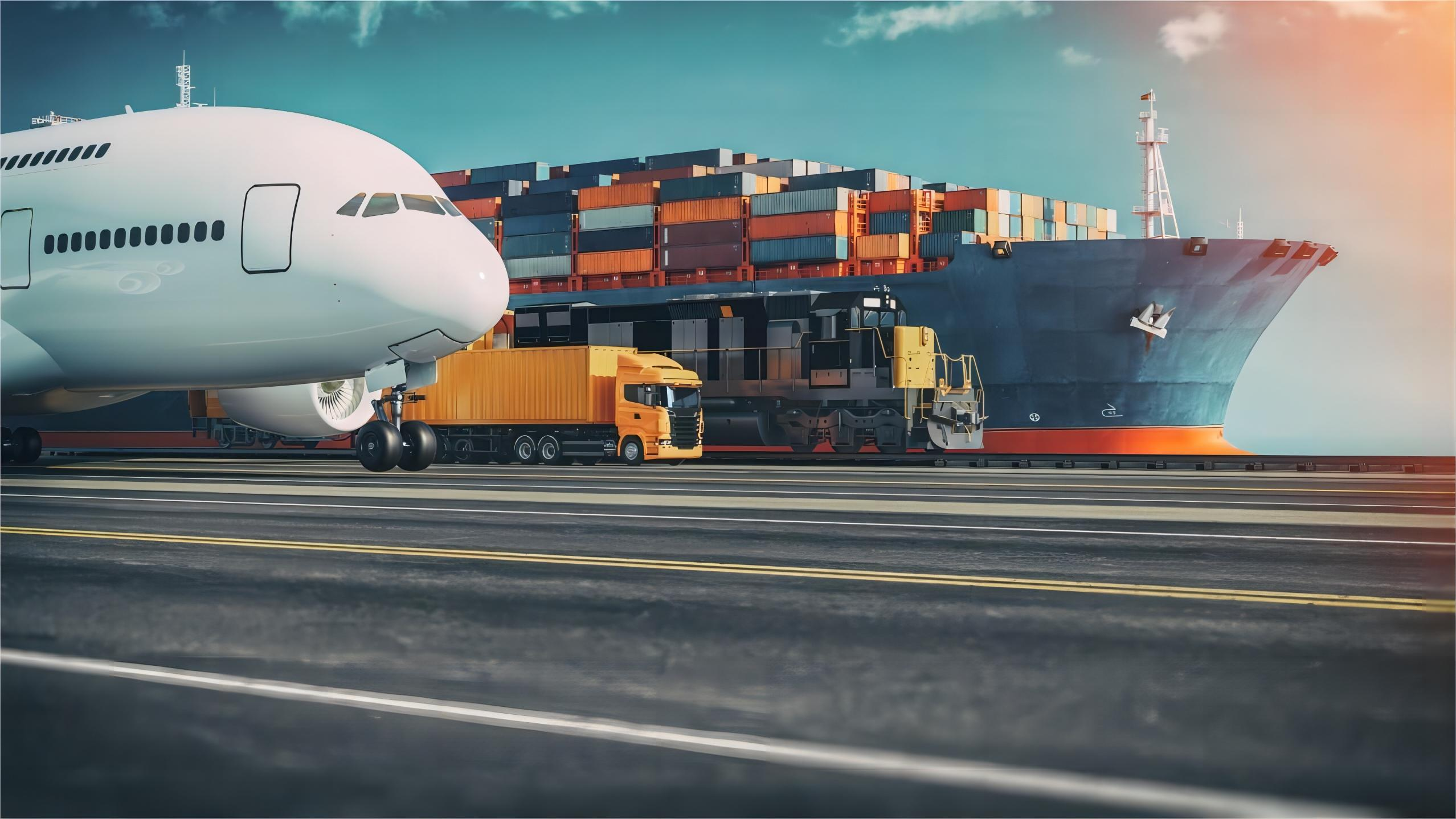
Selecting the right transportation mode is a critical decision that impacts both your budget and your customer satisfaction levels. While air freight offers the fastest transit times, it comes at a significantly higher cost compared to other methods. In contrast, sea freight remains the most economical choice for large volumes, though it requires longer lead times.
Rail freight has emerged as a popular middle-ground solution for China-Europe trade, offering faster delivery than sea and lower costs than air. Nevertheless, the choice depends on the specific nature of your cargo and the urgency of the shipment. For instance, high-value electronics often travel by air, while bulky furniture or machinery is better suited for ocean containers.
| Method | Cost Range | Transit Time | Best For |
|---|---|---|---|
| Air Freight | $5.50 – $9.00/kg | 5 – 8 Days | Urgent, high-value goods |
| Sea Freight (FCL) | $3,000 – $4,200/40HQ | 30 – 40 Days | Large volumes, budget-focused |
| Rail Freight | $120 – $180/CBM | 18 – 22 Days | Medium urgency, eco-friendly |
| Express Service | $9.00 – $15.00/kg | 3 – 5 Days | Small parcels, samples |
Understanding the Costs: Freight Rates and Fees in 2026
Freight rates in early 2026 have stabilized following the global supply chain disruptions of previous years. However, seasonal fluctuations still occur, with prices typically rising by 15-25% during the peak season from August to October. Consequently, booking your shipments at least 3-4 weeks in advance can help secure better rates and guaranteed space on vessels.
Landed costs involve more than just the base freight rate; they include port charges, fuel surcharges, and customs duties. Specifically, the express service options may include most of these fees in a single rate, while sea freight requires a detailed breakdown of origin and destination charges. Therefore, always request a comprehensive quote that includes all potential line items to avoid unexpected expenses.
Note: Freight rates are subject to change based on fuel costs, carrier capacity, and seasonal demand. Contact us for a current quote tailored to your specific shipment.
2026 Sea Freight Pricing Reference
Based on Q1 2026 market rates, a 20GP container from Shanghai to Le Havre typically costs between $1,800 and $2,500. For larger shipments, a 40HQ container ranges from $3,000 to $4,200 depending on the carrier and route type. Additionally, LCL (Less than Container Load) rates currently hover around $60 to $95 per cubic meter, making it a viable option for smaller cargo volumes.
How Does Sea Freight Compare to Other Shipping Options?
Sea freight remains the backbone of international trade due to its unparalleled capacity and cost-efficiency for bulk shipments. While air freight for a 40HQ volume would cost upwards of $20,000, sea freight handles the same volume for a fraction of that price. Furthermore, sea transport has a lower carbon footprint per ton-mile compared to air transport, aligning with modern sustainability goals.
On the other hand, rail freight provides a compelling alternative by cutting transit time by nearly 50% compared to sea routes. This speed comes at a premium of roughly 30-50% over ocean rates but serves as a vital tool for inventory management. Ultimately, the decision rests on balancing the cost of capital tied up in transit versus the direct transportation expenses.
| Shipping Method | Cost Range | Transit Time | Limitations |
|---|---|---|---|
| Sea Freight | Low ($) | 30-45 Days | Slow transit, weather dependent |
| Air Freight | High ($$$) | 5-10 Days | Weight/size restrictions |
| Rail Freight | Mid ($$) | 18-25 Days | Limited to rail infrastructure |
| Sea-Air Hybrid | Mid-High | 15-20 Days | Complex coordination |
Customs Clearance and Documentation for France Imports
Navigating French customs requires precise documentation to avoid costly delays and storage fees at the port of discharge. Indeed, every shipment must be accompanied by a commercial invoice, packing list, and a Bill of Lading or Air Waybill. Moreover, specific products like electronics or textiles may require certificates of origin or CE marking to comply with European Union safety standards.
Experienced logistics providers offer specialized customs brokerage to manage these complexities on your behalf. Consequently, they ensure that the correct HS codes are applied to your goods, which determines the applicable import duties and VAT. In addition, using DDP (Delivered Duty Paid) terms allows the logistics company to handle all tax payments, providing a truly hands-off experience for the importer.
According to industry benchmarks, incomplete documentation is the leading cause of customs holds in France. Therefore, verifying all paperwork before the cargo leaves China is a critical step in the door to door process. Furthermore, staying updated on changing EU trade regulations ensures your supply chain remains compliant and efficient throughout 2026.
Which Option Should You Choose? Decision Framework
Choosing the right logistics strategy depends on your business priorities and the nature of your products. If your primary goal is budget optimization and you have flexible timelines, sea freight is the logical choice for volumes over 15 CBM. Conversely, for time-sensitive launches or high-demand seasonal items, air freight provides the necessary speed to maintain market presence.
For shipments between 2 and 10 CBM, LCL sea freight or rail freight often provide the best balance of cost and speed. Specifically, businesses should consider rail freight when they need to replenish stock faster than sea allows but cannot justify the expense of air transport. Always evaluate the total landed cost rather than just the freight rate to make an informed decision.
Selection Criteria
Budget priority: Recommend Sea Freight (FCL or LCL). Speed priority: Recommend Air Freight or Express Service. Balanced priority: Recommend Rail Freight. Small samples: Recommend Express Service for door to door convenience.
Real-World Case Studies: China to France Shipping
Reviewing actual shipping scenarios helps illustrate the practical application of different logistics strategies. These examples reflect typical market conditions and pricing observed in early 2026.
Case Study 1: Electronics Distribution. Route: Shenzhen to Paris. Cargo: Consumer electronics, 4 CBM, 850 kg. Method: Air Freight. Total Landed Cost: $5,200. Transit Time: 7 days. Key Insight: Rapid delivery allowed the client to meet a product launch deadline despite manufacturing delays.
Case Study 2: Furniture Import. Route: Ningbo to Marseille. Cargo: Home furniture, 1x40HQ container. Method: Sea Freight (Direct). Total Landed Cost: $4,850 (including duties). Transit Time: 34 days. Key Insight: Using a direct route saved 6 days compared to transshipment via Singapore, reducing port congestion risks.
Case Study 3: Industrial Parts. Route: Wuhan to Lyon. Cargo: Machinery components, 12 CBM. Method: Rail Freight. Total Landed Cost: $2,100. Transit Time: 21 days. Key Insight: Rail provided a cost-effective alternative to air while meeting the factory’s three-week lead time requirement.
Why Choose a Door to Door Logistics Partner?
Partnering with a dedicated shipping from china to europe specialist provides peace of mind and operational efficiency. Instead of managing multiple vendors, you have a single point of contact responsible for the entire journey. This accountability reduces the risk of communication breakdowns and ensures that any issues are resolved quickly by experts who understand the route.
Furthermore, professional logistics companies leverage their relationships with major carriers to secure better rates and priority space. Additionally, their expertise in local French regulations prevents common pitfalls that lead to fines or cargo seizures. Ultimately, a door to door partner acts as an extension of your business, allowing you to focus on growth while they handle the complexities of international trade.
Mastering Your China to France Logistics Strategy
Successfully managing a china to france logistics company door to door operation requires a balance of speed, cost, and reliability. By understanding the differences between sea, air, and rail freight, businesses can tailor their shipping strategies to meet specific market demands. Moreover, partnering with an experienced logistics provider ensures that customs clearance and last-mile delivery are handled with professional care.
As we move through 2026, staying informed about market trends and maintaining a flexible supply chain will be key to long-term success. Whether you are shipping small parcels or full containers, the right door to door solution provides the foundation for efficient international trade. Start optimizing your logistics today to ensure your goods reach the French market on time and within budget.
Ready to streamline your logistics?
Streamline your supply chain today with our professional china to france logistics company door to door services. Our team provides transparent pricing, reliable transit times, and expert customs handling for all your shipping needs. Contact us now to request a customized quote and experience hassle-free international delivery. Send Inquiry: https://dsv-freight.com/
Request Quote