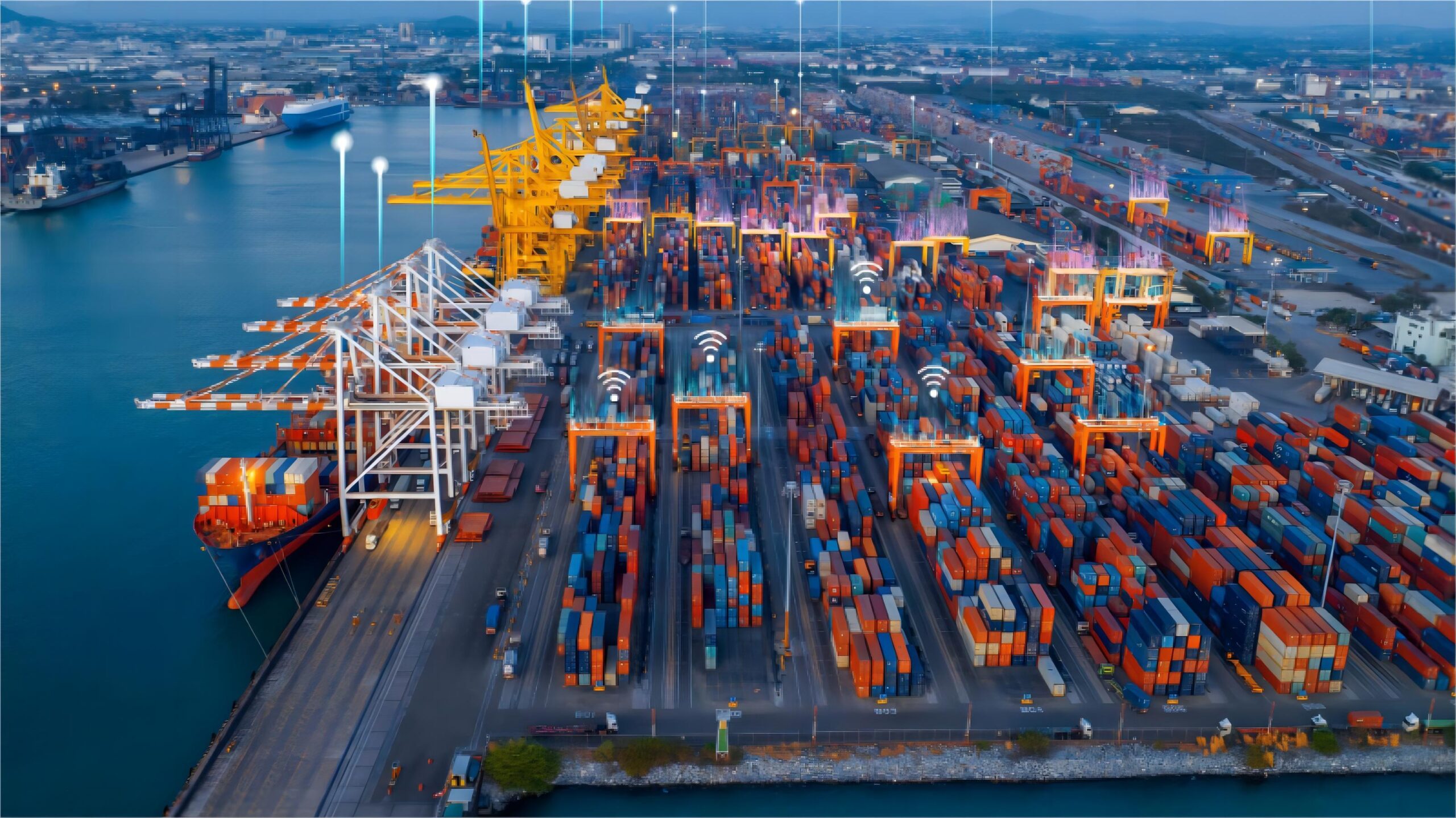

China to Germany Sea Freight Container FCL Shipping Cost: 2026 Guide
Navigating the complexities of international logistics requires a deep understanding of the China to Germany sea freight container FCL shipping cost to maintain a healthy bottom line. Businesses looking for reliable transport solutions often turn to DSV-Freight to manage their supply chain needs efficiently. Consequently, staying updated on 2026 market fluctuations and container availability is essential for any successful import operation between these two economic powerhouses.
✦
What Factors Influence China to Germany Sea Freight Container FCL Shipping Cost?
Understanding the primary drivers of ocean freight pricing helps importers anticipate budget changes throughout the fiscal year. Indeed, fuel prices remain a volatile factor, as carriers frequently adjust Bunker Adjustment Factors (BAF) to reflect the current cost of low-sulfur oil. Furthermore, seasonal demand plays a massive role, with rates typically spiking during the pre-Lunar New Year rush and the late summer peak season.
Port congestion and labor availability in major hubs like Shanghai or Hamburg can also introduce unexpected surcharges. Specifically, when terminals experience high dwell times, shipping lines may implement port congestion fees to offset operational delays. Additionally, currency fluctuations between the US Dollar and the Euro can impact the final landed cost of your goods significantly.
Container type selection is another critical variable that determines the total price you pay for your shipment. While a standard 20GP container is suitable for heavy, dense cargo, the 40HQ remains the industry favorite for voluminous consumer goods due to its superior capacity. Therefore, choosing the right equipment size is not just a logistical decision but a financial one that affects your overall shipping efficiency.
Current Market Trends and 2026 Freight Rate Forecasts
Market intelligence suggests that freight rates for sea freight services have stabilized in early 2026 following the disruptions seen in previous years. Nevertheless, the industry is now facing new challenges related to environmental regulations and the implementation of carbon taxes in the European Union. Consequently, shippers should expect a slight premium on routes entering Europe to account for these green initiatives.
Global trade patterns indicate a steady increase in volume as German manufacturers continue to source essential components from Chinese industrial hubs. Moreover, the introduction of new ultra-large container vessels has helped maintain capacity, preventing the extreme price surges witnessed during the early 2020s. In light of these trends, long-term contracts are becoming more popular among high-volume importers seeking price stability.
Typical rates as of early 2026 for a 40HQ container from Shanghai to Hamburg range between 3,000 and 4,200 USD depending on the carrier and service speed. However, these prices can fluctuate by 15 to 25 percent during the August to October peak period. To illustrate the volatility, shippers often monitor weekly freight indices to time their bookings for maximum cost savings.
How Does Sea Freight Compare to Other Shipping Options?
Choosing the right transport mode involves balancing the need for speed against the constraints of a strict logistics budget. While sea freight offers the lowest cost per unit for large volumes, it requires a much longer lead time compared to air or rail alternatives. For instance, a shipment that takes 35 days by sea might arrive in just 18 days if moved via the trans-Eurasian rail network.
Air freight remains the premium choice for high-value electronics or urgent medical supplies despite its significantly higher price point. In contrast, sea freight is the backbone of global trade for furniture, machinery, and bulk raw materials. When shipping from China to Europe, businesses must weigh these trade-offs carefully to optimize their inventory turnover rates.
| Shipping Method | Cost Range (FCL) | Transit Time | Best For |
|---|---|---|---|
| Sea Freight (FCL) | $2,000 – $4,500 | 30 – 40 Days | Large volumes, low urgency |
| Rail Freight | $4,000 – $7,500 | 16 – 22 Days | Medium value, time-sensitive |
| Air Freight | $15,000 – $25,000 | 5 – 8 Days | High value, urgent cargo |
| Sea-Air Hybrid | $8,000 – $12,000 | 18 – 25 Days | Balanced cost and speed |
FCL vs LCL: Which Container Strategy Fits Your Business?
Full Container Load (FCL) shipping is generally the most cost-effective solution once your cargo volume exceeds 15 cubic meters. Additionally, FCL offers better security and faster transit times because the container remains sealed from the point of origin to the final destination. On the other hand, Less than Container Load (LCL) is ideal for smaller shipments but involves higher handling risks during the consolidation process.
Selecting rail freight or sea freight FCL ensures that your goods are not handled alongside other shippers’ products. This exclusivity reduces the likelihood of damage and simplifies the customs clearance process at the German border. Indeed, many businesses find that even if they cannot fill a 20ft container completely, the security benefits of FCL outweigh the small cost savings of LCL.
| Feature | FCL (Full Container) | LCL (Shared Container) | Winner |
|---|---|---|---|
| Cost Basis | Flat rate per container | Price per CBM/Weight | FCL (for >15 CBM) |
| Transit Time | Direct and faster | Consolidation delays | FCL |
| Security | High (Sealed container) | Moderate (Multiple handling) | FCL |
| Flexibility | Requires large volume | Small quantities allowed | LCL |
Major Shipping Routes and Transit Times to Germany
Primary shipping lanes from China to Germany typically originate from massive coastal ports such as Shanghai, Ningbo, Shenzhen, and Qingdao. These vessels usually travel through the South China Sea, across the Indian Ocean, and through the Suez Canal before reaching Northern Europe. Consequently, the transit time to major German ports like Hamburg, Bremerhaven, or Wilhelmshaven usually averages between 30 and 38 days.
Direct routes are often preferred by large importers to minimize the risk of delays at transshipment hubs like Singapore or Colombo. However, transshipment services can sometimes offer lower rates for shippers who are not under tight deadlines. Given that German ports are among the most efficient in the world, the final leg of the journey usually involves rapid unloading and inland transport via truck or barge.
Weather conditions and seasonal typhoons in the Pacific can occasionally disrupt departure schedules during the summer months. To mitigate these risks, experienced logistics managers build a buffer of 5 to 7 days into their supply chain planning. As a result, maintaining clear communication with your freight forwarder is vital for tracking the real-time status of your container.
Essential Customs Documentation for German Imports
Navigating the German customs landscape requires meticulous attention to detail and accurate paperwork to avoid costly storage fees at the port. Professional customs brokerage services are often employed to ensure all EORI numbers and HS codes are correctly filed. Furthermore, failure to provide a complete Commercial Invoice or Packing List can result in the immediate detention of your FCL container.
Germany strictly enforces European Union trade regulations, including safety standards and environmental certifications for electronics and machinery. Specifically, the Bill of Lading serves as the most important document, acting as a title of goods and a contract of carriage. Additionally, certain products may require a Certificate of Origin to qualify for preferential duty rates under specific trade agreements.

| Document Name | Required For | Purpose | Provider |
|---|---|---|---|
| Bill of Lading | All Shipments | Title of goods | Carrier |
| Commercial Invoice | All Shipments | Tax/Duty assessment | Shipper |
| Packing List | All Shipments | Cargo verification | Shipper |
| EORI Number | EU Importers | Customs identification | German Customs |
Case Studies: Real-World FCL Shipping Scenarios
Case Study 1: High-Volume Electronics Import. Route: Shanghai, China to Hamburg, Germany. Cargo: Consumer Electronics, 65 CBM. Container: 40HQ. Shipping Details: Direct service via major carrier. Port of Loading: Shanghai. Port of Discharge: Hamburg. Cost Breakdown: Ocean Freight $3,150, Origin Charges $280, Destination Charges $320, Customs Duties $450. Total Landed Cost: $4,200. Timeline: Booking to Loading 5 days, Sea Transit 33 days, Customs Clearance 2 days. Total Door-to-Door 40 days. Key Insight: Booking 4 weeks in advance secured a fixed rate before the Q3 peak season increase.
Case Study 2: Industrial Machinery Components. Route: Ningbo, China to Bremerhaven, Germany. Cargo: Steel Parts, 28 CBM. Container: 20GP. Shipping Details: Transshipment via Singapore. Port of Loading: Ningbo. Port of Discharge: Bremerhaven. Cost Breakdown: Ocean Freight $1,950, Origin Charges $210, Destination Charges $290, Customs Duties $380. Total Landed Cost: $2,830. Timeline: Booking to Loading 6 days, Sea Transit 36 days, Customs Clearance 3 days. Total Door-to-Door 45 days. Key Insight: Utilizing a transshipment route saved the client $350 compared to the direct premium service.
Cost-Saving Strategies for International Logistics
Implementing a door to door strategy can often consolidate various middleman fees into a single, manageable invoice. Moreover, optimizing your container loading plan ensures that you are not paying to ship empty space across the ocean. By using specialized software to calculate the most efficient stacking patterns, businesses can often fit more units into a single 40HQ container.
Negotiating long-term volume commitments with freight forwarders is another effective way to hedge against market volatility. Furthermore, choosing off-peak departure dates can result in significant discounts, as carriers look to fill vessels during slower weeks. Finally, always verify your HS codes to ensure you are not overpaying on import duties due to incorrect product classification.
Note: Freight rates are subject to change based on fuel costs, carrier capacity, and seasonal demand. Contact us for a current quote tailored to your specific shipment.
Which Option Should You Choose? Decision Framework
Budget priority remains the most common reason for choosing sea freight over all other transport modes. If your primary goal is to minimize the per-unit cost and your inventory levels allow for a 40-day lead time, FCL sea freight is the clear winner. Conversely, if you are launching a new product or responding to a sudden stockout, the speed of air or rail might justify the higher expense.
Cargo type considerations also dictate the best shipping method for your specific needs. Heavy industrial equipment is almost exclusively moved via sea freight due to weight restrictions on aircraft and trains. Meanwhile, perishable goods or high-fashion items with short shelf lives are better suited for faster transit options. Ultimately, a balanced supply chain often utilizes a mix of these methods to manage risk and cost effectively.
Mastering Your Shipping Strategy from China to Germany
To summarize, successfully managing the China to Germany sea freight container FCL shipping cost requires a combination of early planning, market awareness, and the right logistical partnerships. By understanding the factors that drive rates and utilizing the comparison data provided, you can make informed decisions that protect your profit margins.
Indeed, the 2026 shipping landscape offers both challenges and opportunities for savvy importers. Whether you are shipping a single 20GP or managing a large-scale 40HQ contract, staying proactive is the key to logistics success. Trust in reliable freight solutions to keep your goods moving smoothly across the globe.
Are you looking to optimize your logistics and reduce your China to Germany sea freight container FCL shipping cost? Contact the experts at DSV-Freight today for a customized quote and professional guidance on your next shipment. Visit our website to start your inquiry and secure the best market rates for 2026.
Request Quote