
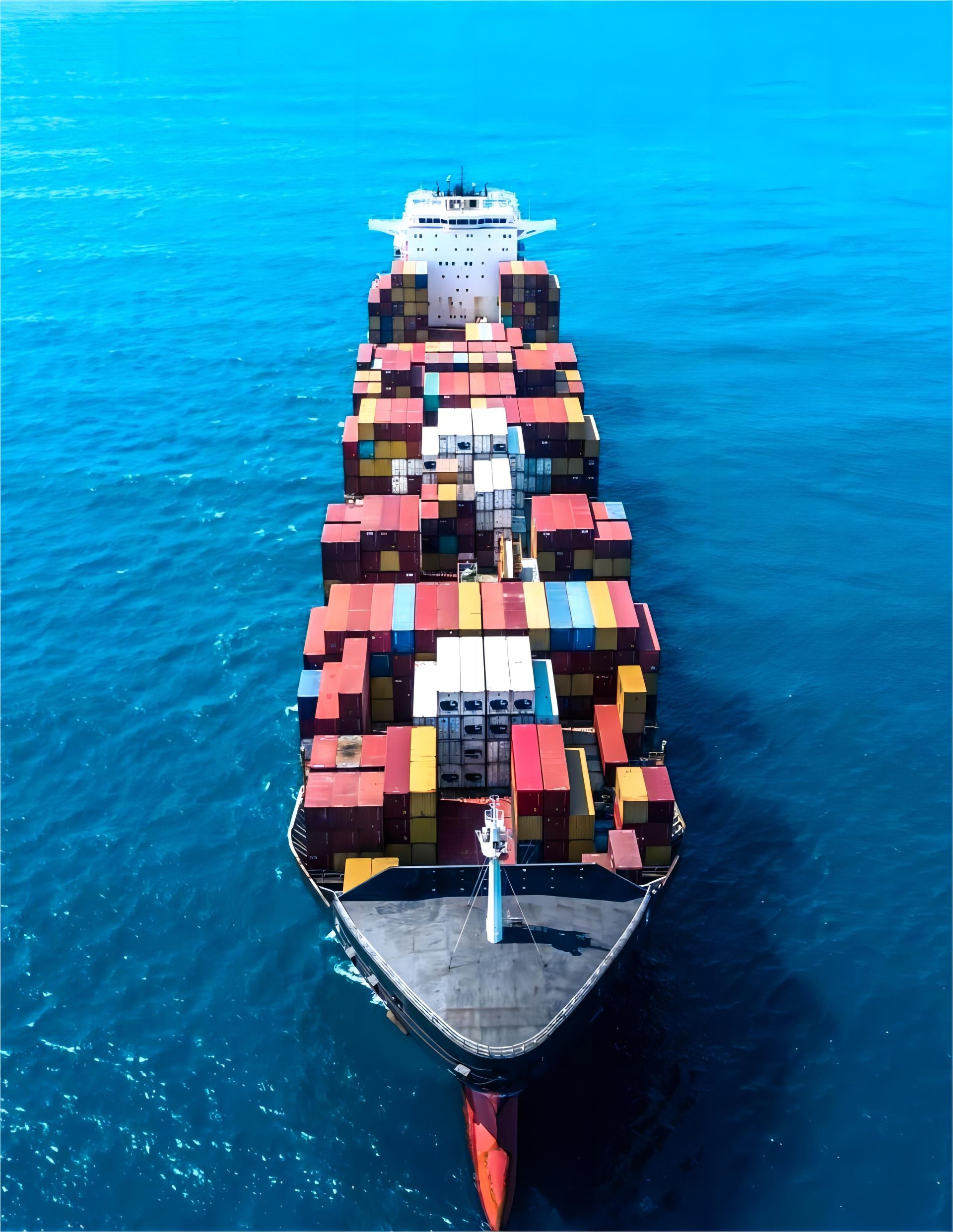
China to Mexico Sea Freight FCL Container Rates for 2026
Navigating the complexities of international trade requires a clear understanding of logistics costs and delivery schedules. For businesses importing goods to Latin America, finding competitive china to mexico sea freight fcl container rates is essential for maintaining healthy profit margins. This comprehensive guide provides a detailed analysis of 2026 shipping trends, pricing structures, and strategic advice for your supply chain.

Understanding China to Mexico Sea Freight FCL Container Rates in 2026
Market conditions in early 2026 indicate a stabilization of ocean freight pricing following previous global disruptions. Consequently, shippers can now plan their budgets with greater accuracy than in recent years.
Full Container Load (FCL) remains the most cost-effective method for transporting large volumes of goods across the Pacific. Moreover, using sea freight allows businesses to secure the entire space of a container, ensuring better security and faster handling.
Current logistics trends suggest that demand for Mexican manufacturing components continues to rise. Therefore, understanding the nuances of container pricing is vital for staying competitive in this growing corridor.
Average Shipping Costs for 20ft and 40ft Containers
Pricing for FCL shipments varies significantly based on the container size and the specific route chosen. Generally, a 40HQ container offers the best value for high-volume, lightweight cargo.
Meanwhile, the 20GP container is ideal for heavy machinery or dense materials that reach weight limits before volume limits. Industry average for this route typically includes the base ocean freight plus various surcharges.
According to industry benchmarks, rates fluctuate during peak seasons such as the months leading up to the year-end holidays. Shippers should monitor the bunker adjustment factor and low sulfur surcharges closely.
| Container Type | Average Rate (USD) | Max Weight (KG) | Best For |
|---|---|---|---|
| 20GP Container | 2,500 – 3,500 | 28,000 | Heavy/Dense Goods |
| 40GP Container | 3,800 – 4,800 | 26,000 | General Cargo |
| 40HQ Container | 4,200 – 5,500 | 26,000 | High-Volume Goods |
How Does Sea Freight FCL Compare to Other Shipping Options?
Choosing the right shipping method depends on your specific balance of speed, cost, and cargo volume. While FCL is the standard for bulk moves, other options might suit urgent or smaller shipments.
For instance, air freight provides unmatched speed but comes at a significantly higher price point. In contrast, sea freight LCL is better for shipments that do not fill a whole container.
Furthermore, multimodal solutions are becoming more popular for reaching inland Mexican cities. Shippers must evaluate the total landed cost when comparing these different logistics strategies.
| Shipping Method | Cost Range | Transit Time | Best For/Limitations |
|---|---|---|---|
| Sea Freight FCL | Moderate | 20-35 Days | Bulk/Slow but Cheap |
| Sea Freight LCL | Low per CBM | 25-40 Days | Small/High Handling |
| Air Freight | Very High | 3-7 Days | Urgent/Expensive |
Which Option Should You Choose?
Budget Priority
If your primary goal is minimizing costs, sea freight FCL is almost always the superior choice for large shipments. Consequently, you should book at least 3-4 weeks in advance to secure the best rates.
Speed Priority
When deadlines are tight, air freight is the only viable solution despite the cost. However, if you have a moderate timeline, choosing a direct sea route to Manzanillo can save several days compared to transshipment.
Cargo Type Considerations
Heavy industrial equipment usually requires the structural integrity of a 20GP container. Conversely, consumer electronics or textiles benefit from the extra height provided by a 40HQ container.
Key Transit Times from Major Chinese Ports to Mexico
Transit times are a critical component of supply chain planning and inventory management. Most shipments from China arrive at Mexico’s Pacific coast ports, such as Manzanillo or Lazaro Cardenas.
Additionally, utilizing professional customs brokerage services can prevent unnecessary delays once the vessel reaches the destination. Efficient port operations in China also contribute to faster overall delivery schedules.
Based on current market rates and schedules, direct services from Shanghai are generally the fastest. Meanwhile, routes involving transshipment in Busan or Panama may take longer but sometimes offer lower pricing.
| Origin Port | Destination Port | Transit (Direct) | Transit (Trans) |
|---|---|---|---|
| Shanghai | Manzanillo | 18-22 Days | 28-35 Days |
| Shenzhen | Lazaro Cardenas | 20-24 Days | 30-38 Days |
| Ningbo | Veracruz | 32-38 Days | 40-45 Days |
Essential Customs Documentation for Mexico Imports
Importing into Mexico requires strict adherence to documentation standards to avoid fines or cargo seizures. Therefore, you must ensure all paperwork is accurate and submitted well before the ship arrives.
Specifically, the Pedimento is the most important document for Mexican customs clearance. In addition, a commercial invoice in Spanish or with a Spanish translation is often required for smooth processing.
Moreover, working with a provider that offers door to door service can simplify the transition from the port to your final warehouse. This integrated approach reduces the risk of communication gaps between different logistics providers.
Real-World Case Studies: Shipping FCL from China to Mexico
Reviewing actual shipping scenarios helps businesses understand the practical application of freight strategies. These examples reflect typical market conditions and costs observed in early 2026.
Case Study 1: Electronics from Shenzhen to Manzanillo. A technology firm shipped three 40HQ containers of consumer electronics. By choosing a direct route, they achieved a total door-to-door timeline of 28 days with a landed cost of 5,200 USD per container.
Case Study 2: Auto Parts from Ningbo to Lazaro Cardenas. An automotive supplier moved 20GP containers of heavy engine components. Consequently, they focused on weight compliance and used a specialized customs broker to clear the goods in just 48 hours, paying 3,100 USD in ocean freight per unit.
Case Study 3: Industrial Machinery to Veracruz. Shipping from Shanghai to the Gulf of Mexico requires passage through the Panama Canal. As a result, the transit time was 36 days, but the shipper saved on inland trucking costs by delivering closer to their factory in Puebla.
Cost-Saving Strategies for FCL Shipments
Reducing your shipping expenses requires a combination of smart planning and negotiation. First, always compare quotes from multiple freight forwarders to ensure you are receiving market-competitive pricing.
Second, consider shipping during the off-peak season when demand is lower. Furthermore, optimizing your container loading procedures can ensure you maximize every cubic meter of space you pay for.
Finally, establishing a long-term relationship with a logistics partner in North America can lead to volume discounts. Consistent shipping patterns allow carriers to offer more favorable rates and guaranteed space allocations.
Final Thoughts on Shipping from China to Mexico
Mastering the nuances of china to mexico sea freight fcl container rates is a continuous process that rewards diligent shippers. By understanding the factors that influence pricing, such as container size and transit routes, you can make informed decisions for your business.
As we move through 2026, staying adaptable to market changes and leveraging professional logistics services will be key to success. Remember to account for all costs, including customs duties and terminal fees, to determine your true landed cost.
With the right strategy and a focus on efficiency, you can turn your international shipping operations into a significant competitive advantage. Start planning your next FCL shipment today to secure the best possible rates and schedules.

Need a tailored shipping solution?
Optimizing your supply chain starts with accurate data and reliable partners. If you are looking for the most competitive china to mexico sea freight fcl container rates, our team is ready to assist you. Contact us today for a personalized quote and expert guidance on your next shipment. Visit our website to learn more about our integrated logistics solutions.