China to Peru Sea Freight FCL LCL Shipping Cost: 2026 Guide
Navigating the complex waters of international trade requires a clear understanding of the china to peru sea freight fcl lcl shipping cost to maintain a healthy bottom line. At DSV-Freight, we specialize in streamlining your logistics from Chinese manufacturing hubs to South American markets. This comprehensive guide explores the current 2026 market dynamics, transit schedules, and cost-saving strategies for businesses of all sizes. Understanding these variables ensures that your supply chain remains resilient and cost-effective throughout the year.
What Factors Determine China to Peru Sea Freight FCL LCL Shipping Cost in 2026?
Several critical variables influence the final price you pay for transporting goods across the Pacific. Market demand fluctuates seasonally, especially during the pre-Chinese New Year rush and the late Q3 peak season. Fuel surcharges, often referred to as Bunker Adjustment Factors, also play a significant role in monthly price adjustments.
Furthermore, port congestion in major hubs like Shanghai or Callao can lead to unexpected surcharges. Carriers frequently adjust their rates based on available vessel capacity and global economic trends. Consequently, staying informed about these shifts is essential for accurate budgeting and financial planning.
Infrastructure developments in Peru, such as the expansion of the Port of Chancay, are beginning to impact regional logistics costs. These new facilities aim to reduce transit times and improve cargo handling efficiency. As a result, shippers may see more competitive pricing as port competition increases throughout 2026.
FCL vs LCL: Which Method Offers the Best Value for Peru?
Choosing between Full Container Load and Less than Container Load depends largely on your cargo volume and budget. When you utilize sea freight for large shipments, FCL is generally the most economical choice. You pay a flat rate for the entire container, regardless of how much space you fill.
On the other hand, LCL is ideal for smaller shipments that do not require a full 20ft or 40ft container. In this scenario, you share container space with other importers and pay based on the volume in cubic meters. This flexibility allows small businesses to manage inventory without the high cost of unused space.
However, LCL shipments often involve more handling and longer processing times at consolidation warehouses. This can lead to a slightly higher risk of damage compared to the sealed environment of an FCL container. Therefore, high-value or fragile items might benefit from FCL even if the volume is relatively low.
| Container Type | Average Cost (USD) | Max Weight (KG) | Typical Use |
|---|---|---|---|
| 20GP Standard | $2,100 – $2,800 | 28,000 | Heavy machinery |
| 40GP Standard | $3,200 – $4,100 | 26,000 | General consumer goods |
| 40HQ High Cube | $3,500 – $4,500 | 26,000 | Light bulky items |
| LCL (per CBM) | $110 – $160 | 1,000 | Small retail orders |
How Does Sea Freight Compare to Other Shipping Options?
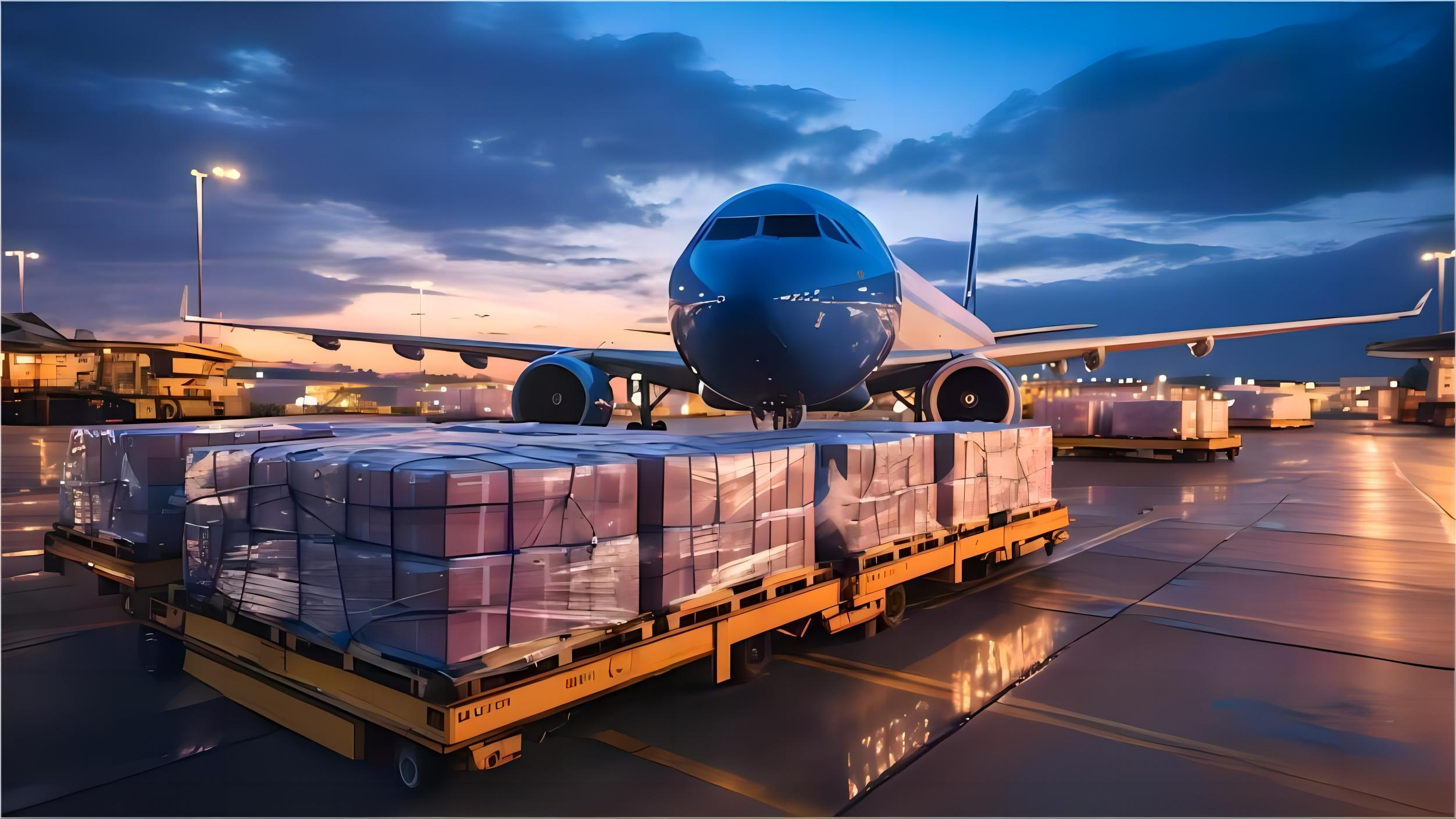
While ocean transport is the backbone of global trade, other methods serve specific business needs. For instance, air freight provides unmatched speed for urgent deliveries or perishable goods. Nevertheless, the cost per kilogram for air transport is significantly higher than sea freight.
Businesses often face a trade-off between speed and cost when planning their inventory cycles. Sea freight remains the primary choice for bulk commodities and heavy industrial equipment. In contrast, electronics and high-fashion items might justify the expense of faster transit to meet market demand.
Hybrid solutions, such as sea-air combinations, are gaining popularity for shipments requiring a balance of both worlds. These routes typically involve shipping by sea to a hub like Los Angeles before flying the cargo to Lima. Indeed, this strategy can save up to 40 percent compared to pure air freight while being twice as fast as sea freight.
| Shipping Method | Cost Range | Transit Time | Best For |
|---|---|---|---|
| Sea Freight | Lowest | 30 – 45 Days | Bulk / Heavy Cargo |
| Air Freight | Highest | 5 – 9 Days | Urgent / High Value |
| Express Service | Premium | 3 – 6 Days | Samples / Documents |
| Sea-Air Hybrid | Medium | 18 – 25 Days | Balanced Needs |
Major Ports and Transit Times for China to Peru Routes
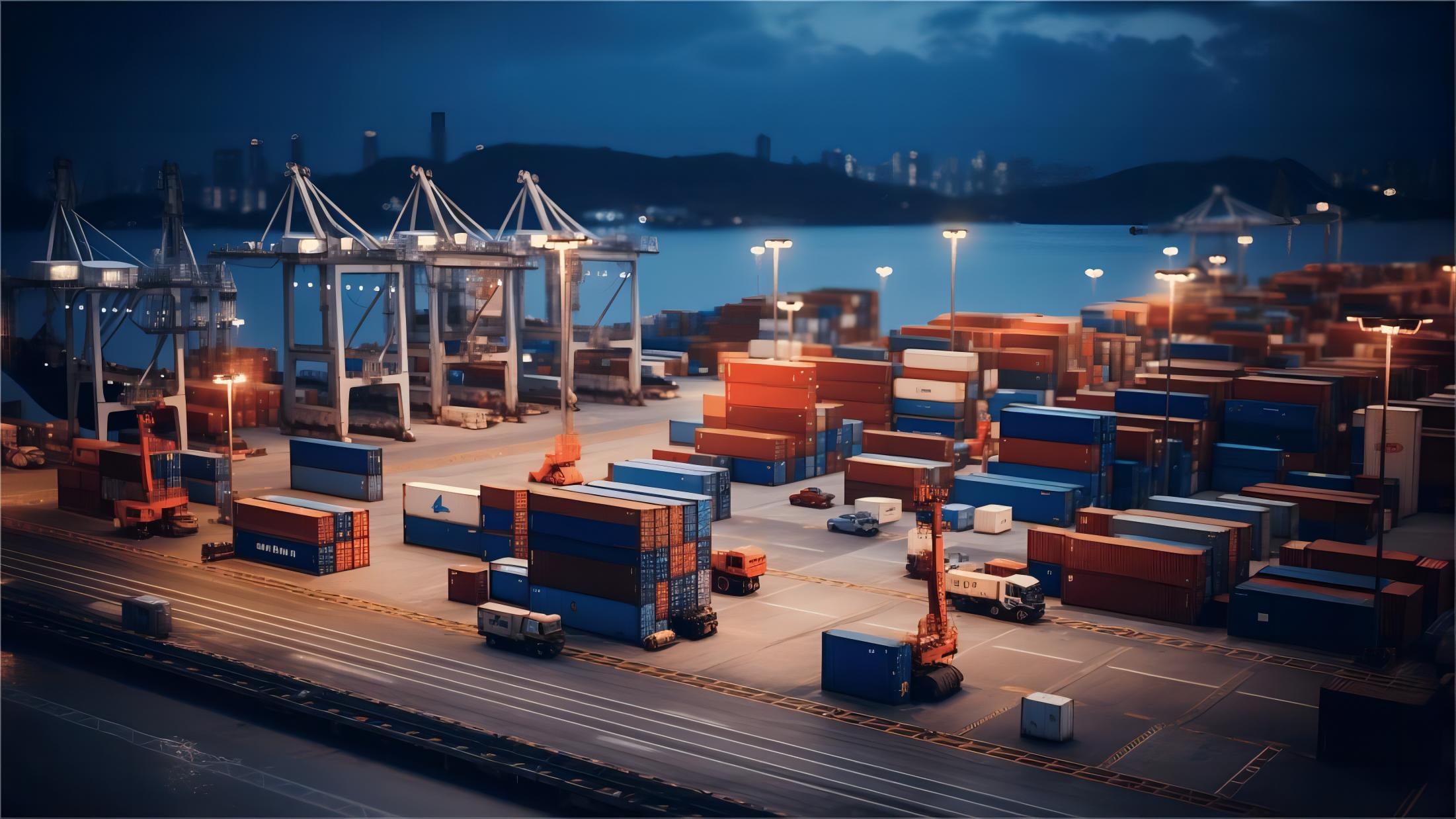
The primary gateway for Peruvian imports is the Port of Callao, located near the capital city of Lima. Most shipments from China originate from massive ports like Shanghai, Ningbo-Zhoushan, or Shenzhen. Transit times vary depending on whether the vessel takes a direct route or includes transshipment stops.
Direct services usually take between 30 and 35 days to reach Callao from East China. Meanwhile, routes that involve stops in Mexico or Panama can extend the journey to 45 days or more. Choosing the right carrier and route is vital for maintaining a predictable delivery schedule.
During the peak shipping season, port congestion can add 5 to 10 days to the total transit time. Shippers should account for these potential delays when calculating their lead times. Additionally, weather conditions in the Pacific can occasionally impact vessel speed and arrival dates.
| Origin Port | Service Type | Average Days | Frequency |
|---|---|---|---|
| Shanghai | Direct | 32 Days | Weekly |
| Ningbo | Transshipment | 38 Days | Bi-weekly |
| Shenzhen | Direct | 34 Days | Weekly |
| Qingdao | Transshipment | 42 Days | Weekly |
Understanding Customs Brokerage and Import Duties in Peru
Navigating Peruvian customs regulations requires precision and thorough documentation to avoid costly delays. Our dedicated customs brokerage team ensures that all paperwork complies with local laws. Key documents include the Bill of Lading, Commercial Invoice, and Packing List.
Import duties in Peru are generally calculated based on the CIF value of the goods. This value includes the cost of the goods, insurance, and the china to peru sea freight fcl lcl shipping cost. Furthermore, a Value Added Tax known as IGV is applied to most imported products.
Specific products may require additional permits from Peruvian health or telecommunications authorities. For example, medical devices and wireless equipment need prior approval before they can clear customs. Consequently, verifying these requirements before the ship leaves China is a critical step for a smooth entry.
Realistic Case Studies for China to Peru Shipments
Analyzing real-world scenarios helps importers understand the actual costs and timelines involved in South American logistics. These examples reflect typical market conditions observed in early 2026. Each case highlights the importance of choosing the correct container type and route.
Case Study 1: Shenzhen to Callao. Cargo: Consumer Electronics. Container: 40HQ High Cube. Shipping Details: Direct service via major carrier. Cost Breakdown: Ocean Freight $4,250, Origin Charges $350, Destination Charges $450. Total Landed Cost: $5,050. Timeline: 34 days door-to-port. Key Insight: Using High Cube containers allowed for 12 percent more volume at a minimal price increase.
Case Study 2: Ningbo to Callao. Cargo: Industrial Machinery Parts. Container: LCL 12 CBM. Shipping Details: Transshipment via Manzanillo. Cost Breakdown: Ocean Freight $1,440 ($120 per CBM), Origin Charges $200, Destination Charges $300. Total Landed Cost: $1,940. Timeline: 42 days door-to-port. Key Insight: LCL was the most economical choice for this mid-sized volume, saving $800 compared to a 20GP.
Which Option Should You Choose for Your Business?
Deciding on the best logistics strategy requires a careful evaluation of your specific business priorities. If your primary goal is cost reduction, sea freight is the clear winner for most cargo types. However, if you are launching a new product and speed is essential, you might consider a split shipment strategy.
Selecting a door to door service can significantly reduce the administrative burden on your team. This option covers everything from factory pickup in China to final delivery at your warehouse in Lima. Indeed, many businesses find that the convenience of a single point of contact outweighs the slightly higher service fee.
For very small parcels or urgent spare parts, express service remains the most reliable path. This method bypasses traditional sea freight timelines and offers real-time tracking. Ultimately, your choice should align with your inventory turnover rates and customer expectations.
Strategies to Reduce Your Total Landed Cost
Reducing your china to peru sea freight fcl lcl shipping cost often starts with optimizing your packaging. By minimizing wasted space inside boxes, you can fit more units into a container or reduce your LCL volume. Moreover, consolidating shipments from multiple suppliers into a single FCL container can lead to significant savings.
Negotiating long-term contracts with freight forwarders can provide price stability in a volatile market. Shippers who commit to consistent volumes often receive priority equipment access and better rates. Additionally, purchasing marine insurance is a small investment that protects your capital against unforeseen transit accidents.
Timing your bookings can also impact your bottom line. Whenever possible, avoid shipping during the peak periods surrounding major holidays. Booking your shipments at least 3-4 weeks in advance allows for better route planning and avoids premium spot market rates. These small adjustments can cumulatively save thousands of dollars annually.
Mastering Your China to Peru Logistics
Successfully managing the china to peru sea freight fcl lcl shipping cost is a vital component of international trade success. By understanding the differences between FCL and LCL, monitoring market trends, and choosing the right partners, you can build a more resilient supply chain. Whether you are shipping heavy machinery or retail goods, the strategies outlined in this guide provide a roadmap for 2026.
Remember that freight rates are subject to change based on fuel costs, carrier capacity, and seasonal demand. Contact us for a current quote tailored to your specific shipment. We are committed to providing transparent pricing and reliable service for all your South American shipping needs.
Start Your Shipment
Ready to optimize your supply chain and reduce your china to peru sea freight fcl lcl shipping cost? Contact our expert logistics team today for a personalized quote and professional guidance. Visit DSV-Freight to start your inquiry and secure the best rates for 2026.
Request Quote