

Container Shipping China Worldwide FCL LCL Logistics Freight Rates in 2026
Container shipping china worldwide fcl lcl logistics freight rates are currently experiencing a period of stabilization as we move through the first half of 2026. Businesses seeking to optimize their supply chains must understand the nuances of global trade and the various shipping methods available. By partnering with a reliable partner like DSV-Freight, companies can navigate complex international waters with confidence and precision. This guide provides a detailed analysis of the current market landscape, pricing structures, and strategic options for global importers.
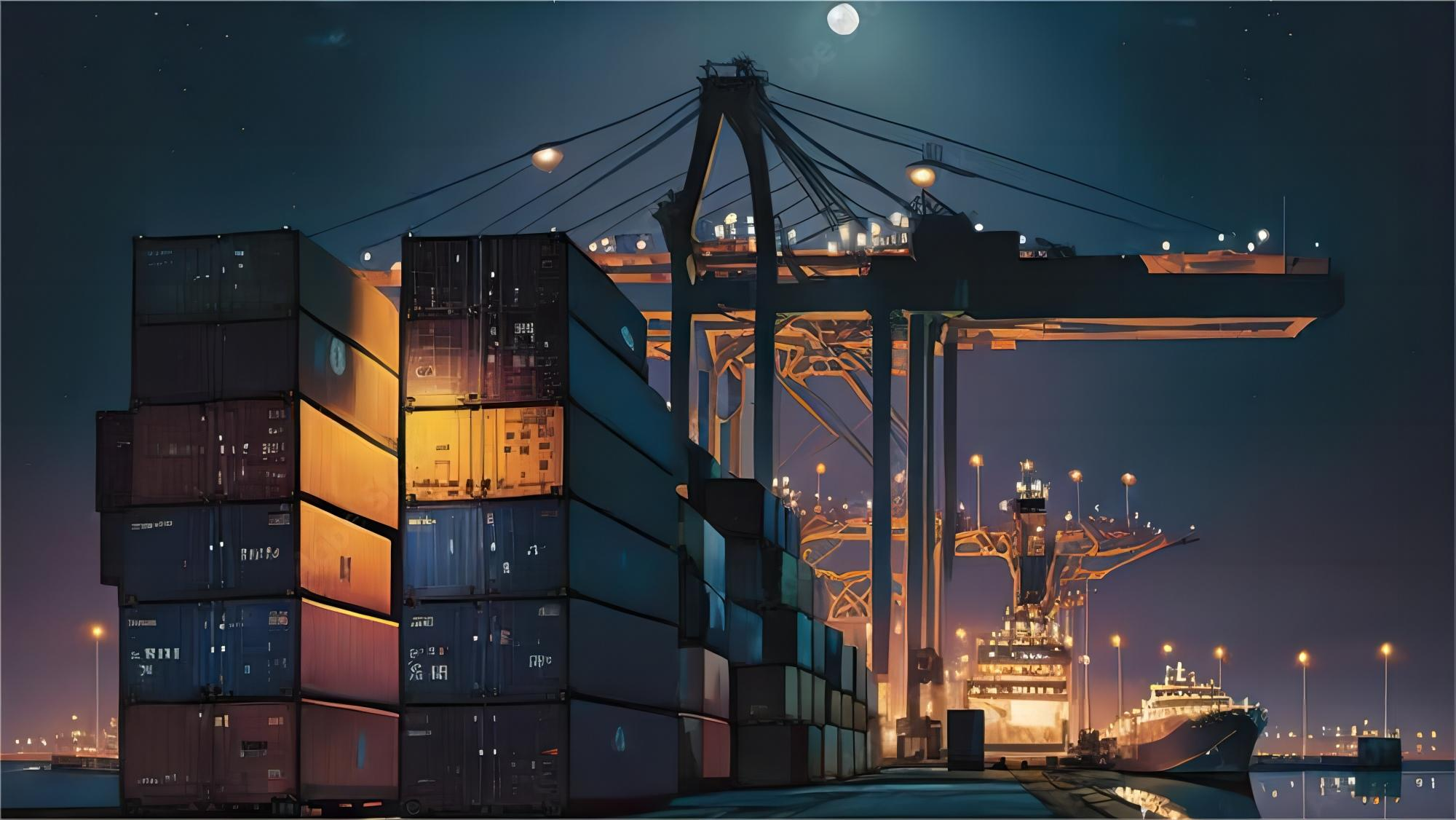
What are the Fundamental Differences Between FCL and LCL Shipping?
Choosing between Full Container Load (FCL) and Less than Container Load (LCL) is a critical decision for any importer. FCL involves renting an entire container for your goods, which provides higher security and faster transit times. Consequently, this method is ideal for large shipments that can fill a 20ft or 40ft container.
Moreover, sea freight remains the most cost-effective way to move bulk goods across the globe. LCL, on the other hand, allows multiple shippers to share space within a single container. This approach is significantly more economical for smaller volumes, although it may involve longer handling times at consolidation hubs.
Typically, LCL is recommended for shipments between 1 and 15 cubic meters. However, if your volume exceeds 15 CBM, the cost of FCL often becomes more competitive despite the unused space. Therefore, calculating your total volume accurately is essential for cost-saving logistics strategies.
How Do 2026 Freight Rates Compare Across Major Global Routes?
As of Q1 2026, freight rates have remained relatively steady following the disruptions seen in previous years. Market data suggests that capacity management by major carriers has successfully balanced supply and demand. For instance, rates from China to the US West Coast have seen a slight decrease compared to the peak of 2025.
In contrast, routes to Europe continue to reflect higher operational costs due to extended sailing distances. Nevertheless, the introduction of new, fuel-efficient vessels is helping to mitigate some of these expenses. Shippers should monitor these trends closely to time their bookings for maximum value.
Additionally, seasonal fluctuations still play a significant role in pricing structures. For example, the period leading up to the Lunar New Year often sees a 20 percent spike in rates due to high demand. Below is a summary of typical rates observed in early 2026.
| Route (From China) | 20GP Rate (USD) | 40HQ Rate (USD) | Transit Time |
|---|---|---|---|
| US West Coast | 1,600 – 2,300 | 2,900 – 3,900 | 14 – 18 Days |
| Northern Europe | 1,900 – 2,600 | 3,200 – 4,400 | 30 – 35 Days |
| Australia | 900 – 1,300 | 1,500 – 2,100 | 12 – 18 Days |
| United Kingdom | 2,100 – 2,900 | 3,600 – 4,700 | 32 – 40 Days |

How Does Sea Freight Compare to Other Shipping Options?
While ocean transport is the backbone of international trade, it is not always the best fit for every scenario. Specifically, air freight offers unparalleled speed for high-value or time-sensitive cargo. While it costs significantly more, the reduction in inventory holding costs can sometimes justify the premium.
Furthermore, rail freight has emerged as a viable middle ground for shipments between China and Europe. It offers a faster transit time than sea freight and a lower cost than air transport. This hybrid approach is increasingly popular for automotive parts and electronics.
Ultimately, the choice depends on your specific balance of budget and urgency. For instance, a shipment of seasonal fashion items might require air freight to meet market windows. Meanwhile, industrial raw materials are almost always better suited for the lower costs of sea transport.
| Shipping Method | Cost Range | Transit Time | Best For |
|---|---|---|---|
| Sea Freight | Low | 30 – 45 Days | Bulk Goods |
| Air Freight | High | 3 – 7 Days | Urgent Cargo |
| Rail Freight | Medium | 15 – 22 Days | Mid-Value |
| Express | Very High | 2 – 4 Days | Samples |
Which Factors Influence Global Logistics Costs from China?
Several variables beyond the base ocean freight rate contribute to the total landed cost of a shipment. For example, fuel surcharges, often referred to as BAF, can fluctuate monthly based on global oil prices. Consequently, businesses must build a buffer into their logistics budgets to account for these changes.
Documentation and customs brokerage services are also essential components of the process. Inaccurate paperwork can lead to significant delays and additional storage fees at the port. Therefore, working with experienced professionals is vital to ensure a smooth clearance process.
Moreover, port congestion and labor availability can impact transit schedules and overall costs. In 2026, automated port terminals have improved efficiency, yet peak season bottlenecks still occur. As a result, early booking and proactive communication with your freight forwarder remain the best strategies for success.
Real-World Case Studies: 2026 Shipping Scenarios
Case Study 1: Electronics from Shenzhen to Hamburg. Route: Shenzhen to Hamburg. Cargo: Consumer Electronics, 22 CBM, 4,500 kg. Container: 40HQ (Shared LCL). Shipping Details: Carrier: Major Carrier. Port of Loading: Shenzhen. Port of Discharge: Hamburg. Route Type: Direct. Cost Breakdown: Ocean Freight: 2,400 USD. Origin Charges: 450 USD. Destination Charges: 600 USD. Customs and Duties: 1,200 USD. Total Landed Cost: 4,650 USD. Timeline: Booking to Loading: 4 days. Sea Transit: 33 days. Customs Clearance: 2 days. Total Door-to-Door: 42 days. Key Insight: Consolidating multiple LCL shipments into a single 40HQ saved the client 15 percent compared to individual bookings.
Case Study 2: Furniture from Ningbo to Los Angeles. Route: Ningbo to Los Angeles. Cargo: Home Furniture, 28 CBM, 3,200 kg. Container: 20GP. Shipping Details: Carrier: COSCO. Port of Loading: Ningbo. Port of Discharge: Los Angeles. Route Type: Direct. Cost Breakdown: Ocean Freight: 1,850 USD. Origin Charges: 380 USD. Destination Charges: 550 USD. Customs and Duties: 900 USD. Total Landed Cost: 3,680 USD. Timeline: Booking to Loading: 3 days. Sea Transit: 16 days. Customs Clearance: 3 days. Total Door-to-Door: 25 days. Key Insight: Direct sailing from Ningbo avoided transshipment delays in Busan, ensuring delivery before the peak retail season.
Note: Freight rates are subject to change based on fuel costs, carrier capacity, and seasonal demand. Contact us for a current quote tailored to your specific shipment.
How Can Shippers Optimize Their Worldwide Logistics Strategy?
Optimizing your strategy requires a holistic view of the entire supply chain from factory to final destination. Using door to door services can simplify the process by providing a single point of accountability. This reduces the risk of communication gaps between different service providers.
Additionally, diversifying your shipping routes can protect your business from regional disruptions. For instance, shipping to North America via both East and West Coast ports can mitigate the impact of local labor strikes. Furthermore, maintaining a flexible inventory strategy allows you to use slower, cheaper shipping methods when time permits.
Technology also plays a pivotal role in modern logistics management. Real-time tracking and digital documentation help shippers identify potential delays before they become major problems. Consequently, investing in digital integration with your logistics partner is a wise move for long-term efficiency.

Which Option Should You Choose for Your Business?
If your primary priority is budget and you have a high volume of goods, FCL sea freight is almost certainly the best choice. For instance, shipping 20 or more pallets usually makes a full container more economical than LCL. On the other hand, if you are testing a new product with low volumes, LCL provides the flexibility you need without a large upfront investment.
When speed is the most critical factor, you should consider air freight or express service for smaller parcels. These methods ensure your products reach the market in days rather than weeks. However, you must be prepared for the significantly higher costs associated with these premium services.
Finally, for shipments to landlocked regions or specific European destinations, rail freight offers a compelling alternative. It provides a balance of cost and speed that is hard to beat for certain cargo types. Ultimately, the best strategy often involves a mix of these methods tailored to your specific business needs.
Navigating the Future of Global Trade
In summary, understanding container shipping china worldwide fcl lcl logistics freight rates is essential for any business engaged in international trade in 2026. By carefully weighing the pros and cons of FCL versus LCL and considering alternative modes like rail or air, you can build a resilient supply chain.
Moreover, staying informed about market trends and maintaining a strong relationship with your logistics provider will ensure you remain competitive. Whether you are shipping to North America, Europe, or Australia, the right strategy will save you time and money. Focus on long-term planning and flexibility to navigate the ever-changing world of global logistics successfully.

Need a tailored shipping solution?
Ready to optimize your global supply chain? Contact us today to receive a customized quote for container shipping china worldwide fcl lcl logistics freight rates. Our team of experts is standing by to help you find the most cost-effective and efficient solution for your business. Visit our website to learn more and start your inquiry today. Send Inquiry: Visit https://dsv-freight.com/contact/