DDP Shipping China to Mexico Sea Freight Container Shipping Cost Guide 2026
Navigating the complexities of ddp shipping china to mexico sea freight container shipping cost requires a comprehensive understanding of international logistics and current market trends. This all-inclusive shipping model simplifies the process by handling everything from the factory floor in China to your final destination in Mexico, ensuring that all duties and taxes are prepaid. Consequently, businesses can focus on growth while DSV-Freight manages the intricate details of the transpacific supply chain. As we enter 2026, understanding these costs is essential for maintaining a competitive edge in the vibrant Mexican market.
✦
What is DDP Shipping and Why Use it for Mexico?
Delivered Duty Paid (DDP) is an Incoterm that places the maximum responsibility on the seller, covering all transport costs, risks, and import formalities. This method is particularly popular for businesses importing into North America because it eliminates the uncertainty of hidden fees at the border. Moreover, it allows Mexican buyers to receive goods as easily as if they were purchased locally, removing the need for them to manage complex customs entries.
Choosing DDP terms ensures that the shipper handles the export clearance in China, the ocean freight, and the final import clearance in Mexico. Furthermore, this approach provides a predictable landed cost, which is vital for retail and manufacturing sectors where margins are tight. However, importers must partner with a reliable freight forwarder to ensure that all Mexican tax regulations, including IVA and IEPS, are correctly handled.
Specifically, the DDP model is highly effective for e-commerce sellers and small-to-medium enterprises that lack a dedicated logistics department. Consequently, the freight forwarder acts as the importer of record or assists the buyer in navigating the SAT (Servicio de Administracion Tributaria) requirements. This streamlined process reduces the risk of cargo being held at major ports like Manzanillo or Lazaro Cardenas due to documentation errors.
Estimating DDP Shipping China to Mexico Sea Freight Container Shipping Cost in 2026
Calculating the ddp shipping china to mexico sea freight container shipping cost involves several variables including ocean freight rates, fuel surcharges, and destination delivery fees. As of early 2026, market rates have stabilized compared to previous years, though seasonal fluctuations still occur during the Chinese New Year and the Q4 peak. Shippers should expect to pay a premium for DDP services compared to CIF or FOB because it includes the high cost of Mexican import duties.
Typically, a significant portion of the total cost is attributed to the ‘last mile’ delivery from the Mexican port to the warehouse. Additionally, sea freight remains the most economical choice for high-volume shipments, even with the added convenience of DDP terms. Most forwarders offer a per-kilogram or per-CBM rate for LCL (Less than Container Load) shipments, while FCL (Full Container Load) is quoted per container unit.
Note: Freight rates are subject to change based on fuel costs, carrier capacity, and seasonal demand. Contact us for a current quote tailored to your specific shipment.
| Container Type | Base Ocean Freight | DDP Surcharge Range | Estimated Total |
|---|---|---|---|
| 20GP Container | $2,200 – $3,100 | $1,500 – $2,500 | $3,700 – $5,600 |
| 40GP Container | $3,400 – $4,500 | $2,000 – $3,500 | $5,400 – $8,000 |
| 40HQ Container | $3,600 – $4,800 | $2,200 – $3,800 | $5,800 – $8,600 |
How Does Sea Freight Compare to Other Shipping Options?
While sea freight is the backbone of China-Mexico trade, other methods like air freight or hybrid solutions exist for specific needs. Sea freight offers the lowest cost per unit, making it ideal for heavy industrial machinery, furniture, and bulk consumer goods. On the other hand, air freight provides unmatched speed for high-value electronics or urgent spare parts that cannot wait for a 25-35 day transit.
Furthermore, sea freight is less sensitive to the weight of the cargo compared to air transport, which uses volumetric weight calculations. In contrast, sea freight pricing is primarily driven by container space and port-to-port demand. Shippers must weigh the trade-off between the 30-day sea transit and the 5-7 day air delivery window when planning their inventory cycles.
Actually, many businesses now adopt a ‘split shipment’ strategy, sending the majority of stock via sea and a small buffer via air. This approach mitigates the risk of stockouts while keeping the overall ddp shipping china to mexico sea freight container shipping cost manageable. Therefore, understanding the volume thresholds is key to selecting the right mode.
| Method | Cost Level | Transit Time | Best For |
|---|---|---|---|
| Sea Freight (FCL) | Low | 25 – 35 Days | Bulk goods, heavy items |
| Sea Freight (LCL) | Medium | 30 – 40 Days | Small volumes (1-15 CBM) |
| Air Freight | High | 5 – 8 Days | Urgent, high-value cargo |
| Sea-Air Hybrid | Medium-High | 15 – 20 Days | Balanced speed and cost |
Key Factors Influencing Mexico Freight Rates in 2026
Several macroeconomic factors influence the current ddp shipping china to mexico sea freight container shipping cost, including port congestion and fuel price volatility. In 2026, the modernization of Mexican ports like Ensenada has improved efficiency, yet peak season demand still causes temporary rate spikes. Additionally, the fluctuating exchange rate between the Chinese Yuan, US Dollar, and Mexican Peso can impact the final landed cost of DDP shipments.
Moreover, the implementation of more stringent environmental regulations for maritime carriers has led to ‘green surcharges’ in some shipping lanes. Consequently, carriers are passing these costs down to shippers to fund the transition to cleaner fuels. Shippers using door to door services should also account for inland trucking costs within Mexico, which vary based on the distance from the coast to cities like Mexico City or Monterrey.
Security is another critical factor that affects insurance premiums and overall logistics costs in Mexico. Indeed, choosing routes with better safety records and using GPS-tracked trucking services can prevent costly delays and losses. Therefore, a comprehensive DDP quote should always include robust insurance coverage to protect against unforeseen transit risks.
Navigating Customs Clearance and Import Duties in Mexico
The most complex part of DDP shipping is the customs brokerage process within Mexico. Mexican customs law requires a licensed customs broker (Agente Aduanal) to handle the entry of goods into the country. Furthermore, certain products require specific import licenses or must comply with NOM (Normas Oficiales Mexicanas) standards before they can be legally sold.
Notably, the DDP model shifts the burden of compliance to the seller and their logistics partner. This means the forwarder must ensure that the commercial invoice, packing list, and certificate of origin are perfectly aligned to avoid steep fines. In addition, the payment of the Customs Processing Fee (DTA) and the value-added tax (IVA) must be documented meticulously for the Mexican tax authorities.
Significantly, misclassifying goods under the Harmonized System (HS) codes is a common cause of delays at the border. As a result, professional forwarders often conduct a pre-clearance review of documents in China before the ship even leaves the port. This proactive approach ensures that the ddp shipping china to mexico sea freight container shipping cost remains predictable and free of administrative penalties.
FCL vs LCL: Choosing the Right Sea Freight Strategy
Importers must decide between Full Container Load (FCL) and Less than Container Load (LCL) based on their cargo volume. FCL is generally more cost-effective for shipments exceeding 15 CBM, as it offers a lower rate per cubic meter and faster handling. Meanwhile, LCL is ideal for smaller businesses that do not have enough inventory to fill a 20-foot container, allowing them to share space and costs with other shippers.
However, LCL shipments often involve more handling at the port, which can slightly increase the risk of damage or loss. Consequently, professional packing and palletizing are essential for LCL cargo to ensure it withstands the consolidation process. In contrast, FCL shipments are sealed at the factory and only opened at the final destination, providing better security for fragile or high-value items.
Actually, for those shipping to Amazon warehouses, Amazon FBA services often prefer FCL to streamline the receiving process. Therefore, if your volume is close to the 15 CBM threshold, it is often wiser to book a 20GP container to enjoy the benefits of faster transit and reduced handling. Always compare the total door-to-door costs for both options before making a final booking.
Case Studies: Real-World DDP Shipping Scenarios
Case Study 1: Electronics from Shenzhen to Mexico City. A tech company imported 500 units of smart home devices using a 20GP container. Origin: Shenzhen Port. Destination: Mexico City Warehouse. Method: DDP Sea Freight. Total Cost: $4,850 (including all duties). Sea Transit: 28 days. Customs Clearance: 3 days. Key Insight: Pre-verifying NOM compliance saved the client 10 days in potential customs delays.
Case Study 2: Industrial Parts from Ningbo to Monterrey. A manufacturing plant required 8 CBM of steel components. Origin: Ningbo Port. Destination: Monterrey Factory. Method: DDP LCL Sea Freight. Total Cost: $1,950. Sea Transit: 34 days. Customs Clearance: 5 days. Key Insight: Using LCL allowed the client to maintain a lean inventory without the high cost of air freight.
Case Study 3: Textiles from Shanghai to Guadalajara. A retail chain imported 40HQ of seasonal clothing. Origin: Shanghai Port. Destination: Guadalajara Distribution Center. Method: DDP FCL. Total Cost: $7,900. Sea Transit: 31 days. Customs Clearance: 4 days. Key Insight: Negotiating a fixed DDP rate in Q1 protected the client from the 20% price hike seen in Q3 2026.
Alternative Strategies and Hybrid Logistics Solutions
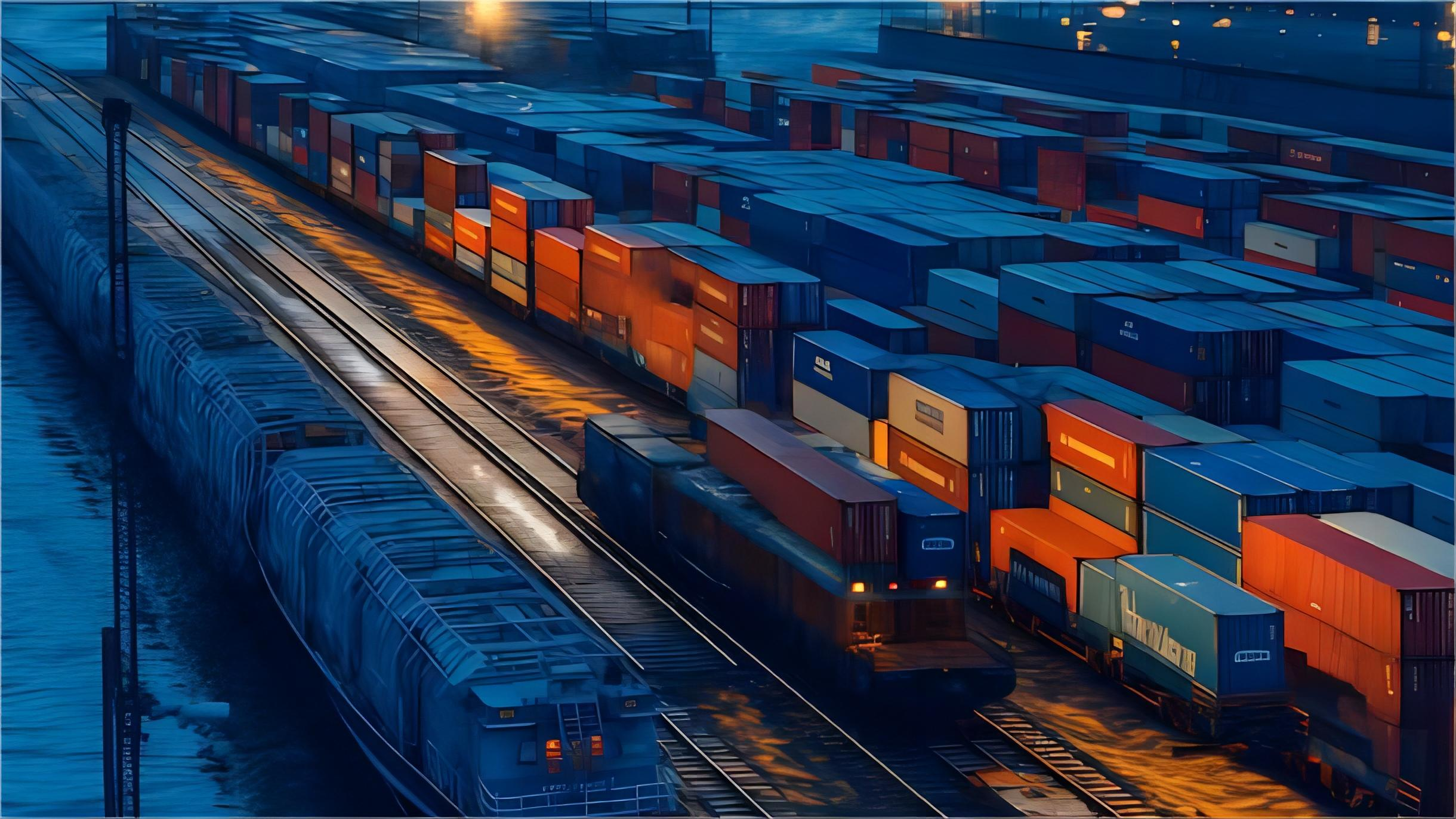
For shipments that are too slow for sea but too expensive for air, hybrid solutions like sea-air or transshipment via the US are viable. While rail freight is not a direct option for China to Mexico, some shippers use rail within the US to move goods from West Coast ports to the Mexican border. This can sometimes bypass congestion at major Mexican maritime gateways during peak seasons.
Additionally, direct shipping routes from China to Manzanillo are the most common, but transshipment through Busan or Panama can occasionally offer lower freight rates. Shippers should be aware that transshipment adds 5-10 days to the transit time but can save 10-15% on the base ocean freight. Therefore, if your production schedule allows for flexibility, these alternative routes are worth considering.
Moreover, cost-saving strategies include optimizing container loading to maximize every cubic inch of space. For instance, using slip sheets instead of pallets can increase the usable volume in a 40HQ container by up to 10%. Consequently, reducing the number of containers needed directly lowers the ddp shipping china to mexico sea freight container shipping cost.
Mastering Your Mexico Shipping Strategy
Successfully managing the ddp shipping china to mexico sea freight container shipping cost is a balance of planning, carrier selection, and customs expertise. By choosing DDP terms, you simplify your operations and provide a better experience for your Mexican customers or production facilities. Furthermore, staying informed about 2026 market trends and port conditions allows you to adjust your supply chain for maximum efficiency.
Ultimately, partnering with a forwarder that understands both Chinese export laws and Mexican import regulations is the key to success. Whether you are shipping FCL or LCL, the goal remains the same: a predictable, safe, and cost-effective journey for your cargo. Start optimizing your transpacific logistics today to ensure your business thrives in the competitive North American landscape.