Procurement Logistics South America: 2026 Global Shipping Guide
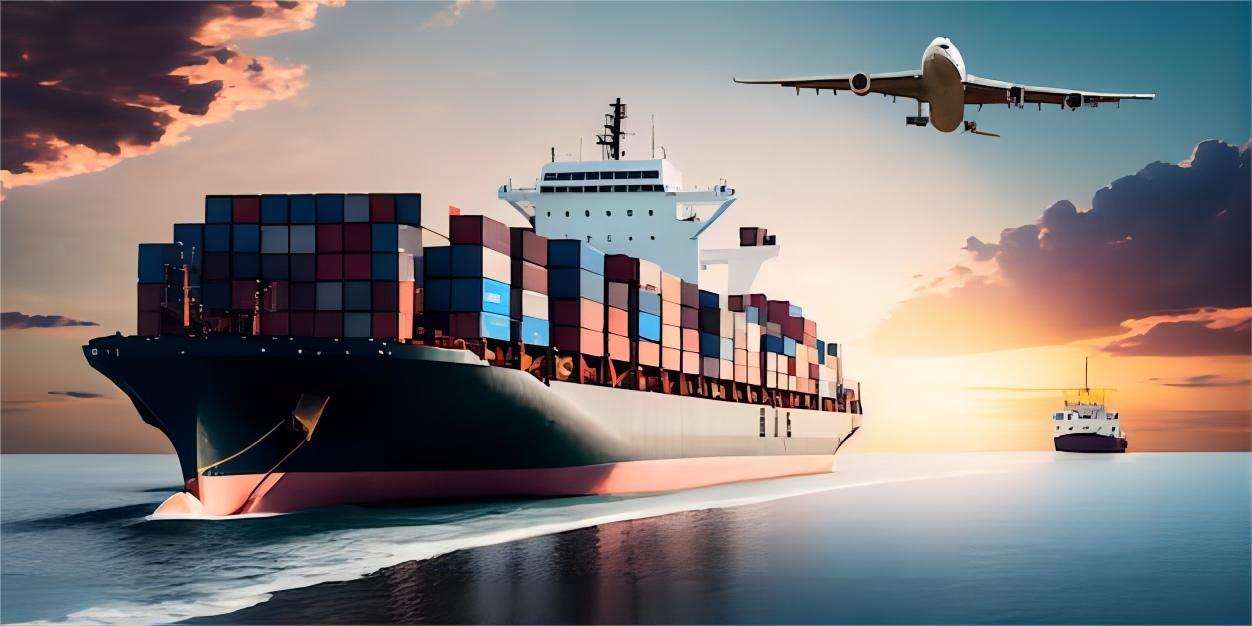
Navigating the complexities of procurement logistics south america requires a deep understanding of regional infrastructure and evolving trade regulations. Businesses looking to expand their footprint in 2026 must prioritize efficiency to overcome geographical hurdles. By partnering with a reliable provider like DSV-Freight, companies can streamline their entire supply chain from origin to destination.
Why is Procurement Logistics South America Critical in 2026?
Economic shifts in 2026 have positioned South America as a primary hub for raw materials and emerging consumer markets. Consequently, the demand for robust procurement logistics south america has surged among international manufacturers. Managing these routes involves balancing high transit costs against the need for rapid delivery schedules.
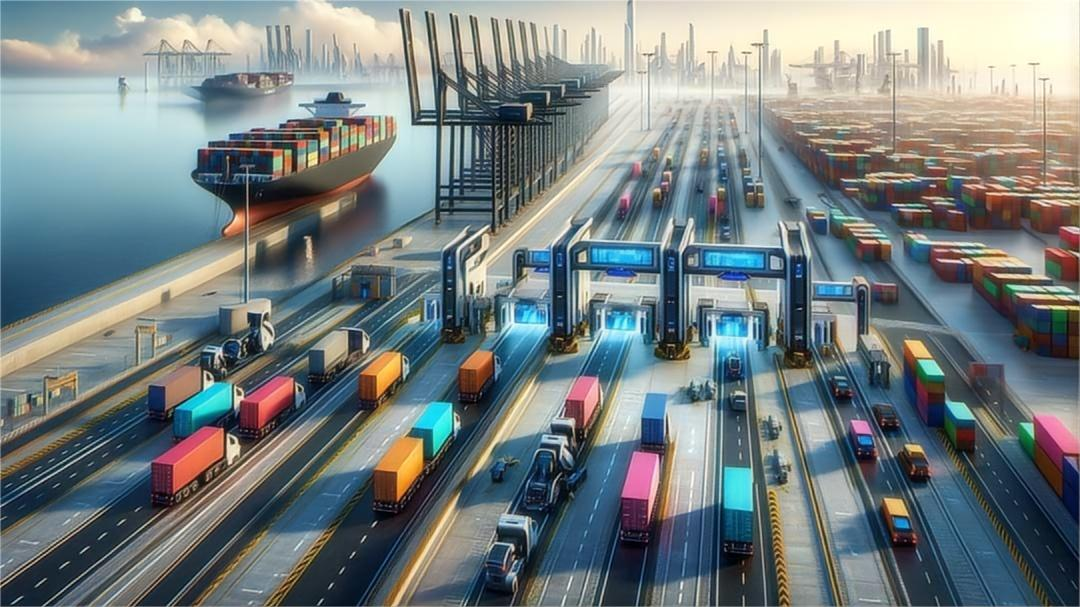
Furthermore, the integration of digital tracking technologies has transformed how cargo handling is performed across the continent. Indeed, real-time visibility is no longer a luxury but a standard requirement for modern import/export operations. Companies must adapt to these technological trends to remain competitive in the global marketplace.
Meanwhile, regional trade agreements like Mercosur continue to influence the movement of goods between neighboring nations. Therefore, understanding the nuances of local legislation is essential for any successful procurement strategy. Failure to account for these variables often leads to unexpected delays and increased logistics expenses.
What are the Primary Shipping Methods for South American Routes?
Choosing the right transportation mode is the most significant decision for any logistics manager. Generally, sea freight remains the most cost-effective solution for high-volume shipments. Most heavy machinery and bulk commodities move through major ports such as Santos in Brazil or San Antonio in Chile.
On the other hand, air freight offers unparalleled speed for high-value or time-sensitive electronics. While the costs are significantly higher, the reduced transit time often justifies the investment for urgent procurement needs. In 2026, air cargo capacity has stabilized, providing more predictable delivery schedules for businesses.
Multimodal solutions are also gaining traction as a way to navigate the difficult inland terrain of the Andes. For instance, combining ocean transport with local trucking ensures that goods reach landlocked regions efficiently. This hybrid approach helps in optimizing the overall supply chain and reducing the total landed cost.
| Method | Cost Level | Transit Time | Best For |
|---|---|---|---|
| Sea Freight | Low | 30-45 Days | Bulk & Large Cargo |
| Air Freight | High | 3-7 Days | Urgent & High Value |
| Express Service | Very High | 2-5 Days | Samples & Documents |
| Multimodal | Medium | 35-50 Days | Inland Destinations |
How Does Sea Freight Compare to Other Shipping Options?
Analyzing the trade-offs between different shipping methods is vital for maintaining a healthy bottom line. While sea freight costs roughly $2,800 to $4,200 for a 40HQ container in early 2026, air freight for the same volume could exceed $20,000. Nevertheless, air transport saves weeks of time, which is critical during peak seasons or product launches.
For shipments that are too large for express but too small for a full container, LCL (Less than Container Load) provides a middle ground. Specifically, LCL allows multiple shippers to share space, making it an economical choice for smaller procurement volumes. However, LCL shipments may experience slightly longer transit times due to the consolidation process at the port.
Direct shipping routes are typically 15% more expensive than transshipment options via hubs like Panama. Regardless of the higher price, direct routes minimize the risk of cargo handling damage and reduce the chance of missing connection windows. Decisions should be based on the specific requirements of the cargo and the urgency of the delivery.
| Priority | Recommended Method | Average Cost | Key Limitation |
|---|---|---|---|
| Budget | FCL Sea Freight | $3,000-$4,500 | Long Transit |
| Speed | Air Freight | $5.50 – $9.00/kg | Weight Limits |
| Small Volume | LCL Sea Freight | $60-$95/CBM | Handling Risk |
| Reliability | Direct Sea | $3,500-$5,000 | Limited Ports |

Navigating Customs and Regulations in South America
Customs procedures in South American countries are notoriously complex and require meticulous documentation. Consequently, utilizing a professional customs brokerage service is highly recommended to avoid costly fines. Each nation, from Argentina to Colombia, has unique import duties and tax structures that must be calculated in advance.
Moreover, the 2026 regulatory environment has introduced stricter environmental standards for imported goods. Therefore, shippers must ensure that all packaging and product certifications comply with local green initiatives. Failure to meet these standards can result in cargo being held at the port of discharge for extended periods.
Documentation such as the Bill of Lading, Commercial Invoice, and Packing List must be perfectly aligned to ensure smooth clearance. Additionally, some countries require specific certificates of origin to qualify for reduced tariff rates under trade agreements. Accurate paperwork is the foundation of efficient procurement logistics south america.
What are the Strategic Alternatives for Cost Reduction?
Implementing cost-saving strategies is essential for managing the high expenses associated with South American trade. For example, consolidating shipments from multiple suppliers into a single container can significantly lower ocean freight rates. This strategy reduces the per-unit shipping cost and simplifies the customs entry process.
Another alternative is to utilize bonded warehouses within South America to defer payment of duties and taxes. By storing goods in these facilities, companies can improve their cash flow and only pay taxes when the products enter the local market. This approach is particularly beneficial for businesses with fluctuating demand or seasonal sales cycles.
Additionally, choosing a door to door service can often be more economical than managing separate logistics legs. These all-inclusive services provide a single point of contact and predictable pricing, which reduces administrative overhead. In many cases, the bundled rate is lower than the sum of individual service contracts.
Case Studies: Successful Procurement Logistics South America
Case Study 1: Electronics Distribution to Brazil
Route: Shenzhen, China to Santos, Brazil. Cargo: Consumer Electronics, 25 CBM, 8,000 kg. Container: 40GP. Shipping Method: Sea Freight via major carrier. Port of Loading: Shenzhen. Port of Discharge: Santos. Route Type: Direct.
Cost Breakdown: Ocean Freight: $3,800. Origin Charges: $450. Destination Charges: $600. Customs and Duties: $1,200. Total Landed Cost: $6,050. Timeline: Booking to Loading: 5 days. Sea Transit: 34 days. Customs Clearance: 6 days. Total Door-to-Door: 45 days.
Key Insight: Utilizing a direct route avoided the congestion typically found in transshipment hubs during the Q4 peak season of 2025. This ensured the inventory arrived in time for the holiday sales period without delays.
Case Study 2: Mining Equipment to Chile
Route: Shanghai, China to San Antonio, Chile. Cargo: Industrial Machinery, 15 CBM, 12,000 kg. Container: LCL. Shipping Method: Sea Freight. Port of Loading: Shanghai. Port of Discharge: San Antonio. Route Type: Transshipment via Panama.
Cost Breakdown: Ocean Freight: $1,800. Origin Charges: $300. Destination Charges: $500. Customs and Duties: $2,500. Total Landed Cost: $5,100. Timeline: Booking to Loading: 7 days. Sea Transit: 42 days. Customs Clearance: 4 days. Total Door-to-Door: 53 days.
Key Insight: For heavy machinery that is not time-sensitive, LCL transshipment provided a 25% cost saving compared to a dedicated 20GP container. Based on Q1 2026 market rates, this was the most efficient choice for the client.
Which Logistics Option Should You Choose?
Budget priority: If your primary goal is to minimize expenditure, sea freight is the clear winner for procurement logistics south america. Specifically, FCL shipments offer the lowest cost per cubic meter when the volume exceeds 15 CBM. This method is ideal for stable supply chains where lead times are manageable.
Speed priority: When time is the most critical factor, express service or standard air freight is necessary. These options are best for high-margin products or urgent replacement parts that keep industrial operations running. The significantly higher price is offset by the prevention of downtime or lost sales.
Cargo type considerations: Perishable goods or hazardous materials require specialized handling and faster transit times. Conversely, durable consumer goods can withstand longer sea voyages without risk of degradation. Always assess the physical characteristics of your cargo before committing to a specific shipping lane.
Mastering South American Logistics for Future Growth
In conclusion, managing procurement logistics south america requires a strategic blend of local expertise and global reach. By understanding the nuances of sea and air freight, companies can better navigate the challenges of 2026 trade. Furthermore, staying informed about customs regulations and market trends ensures that your cargo moves without unnecessary interruptions.
Ultimately, the success of your South American operations depends on selecting the right logistics partners and shipping methods. Whether you prioritize cost or speed, a well-planned strategy will provide a significant competitive advantage. Note: Freight rates are subject to change based on fuel costs, carrier capacity, and seasonal demand. Contact us for a current quote tailored to your specific shipment.
Start Your Shipment
Optimizing your procurement logistics south america is essential for succeeding in the competitive 2026 market. Contact our expert team today to receive a customized quote and streamline your international shipping operations. Visit our inquiry page to start your journey toward a more efficient supply chain.
Request Quote