
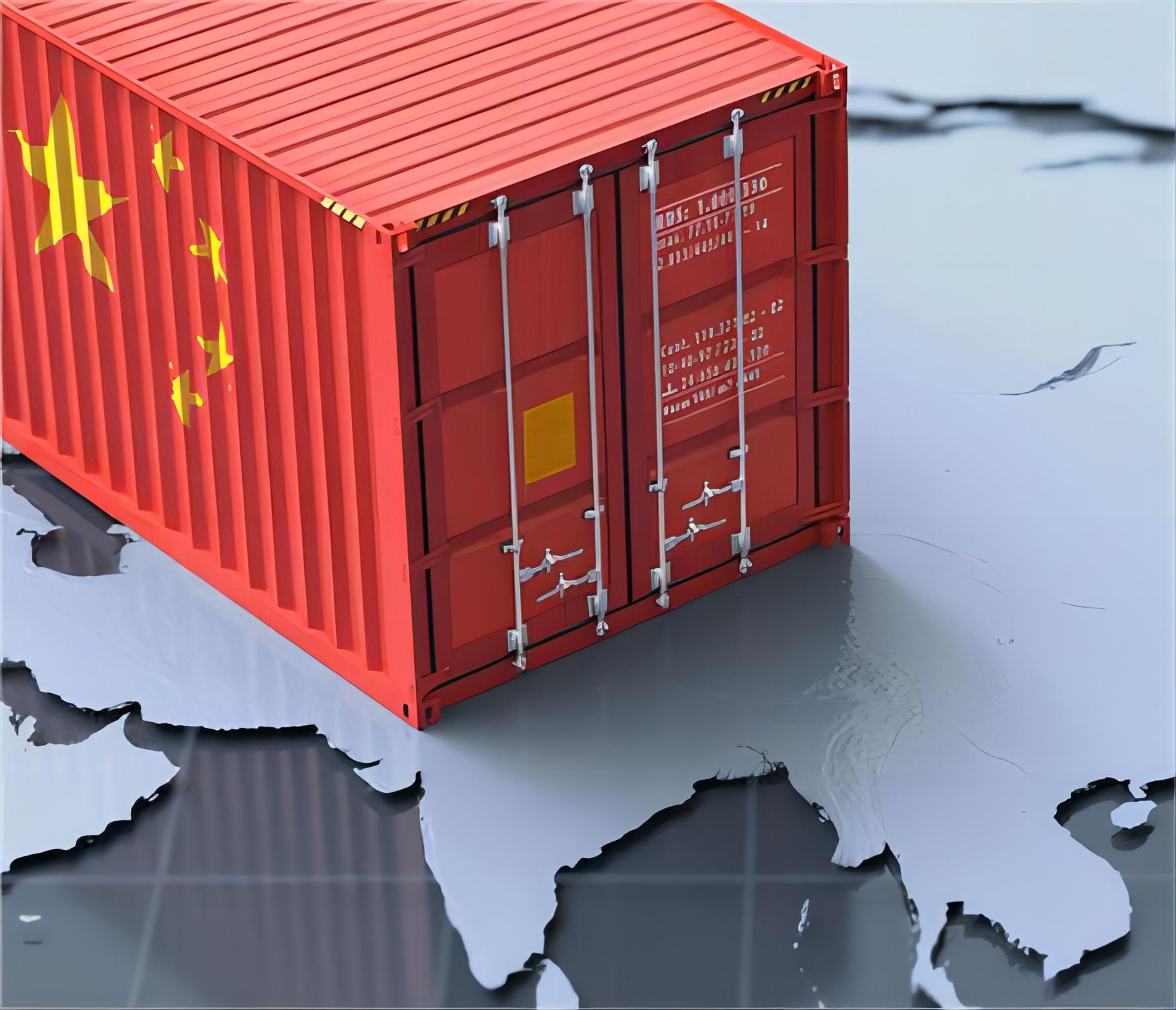
Shipping from China to Mexico DDP Logistics Service: 2026 Guide
Navigating international trade requires a reliable shipping from China to Mexico DDP logistics service to ensure seamless delivery and cost-efficiency. Many businesses struggle with complex customs regulations and hidden fees when importing goods into the Mexican market. By partnering with DSV-Freight, you can simplify your supply chain and focus on business growth while we handle the heavy lifting. Consequently, you will experience a more predictable and streamlined shipping process from start to finish.
What is a Shipping from China to Mexico DDP Logistics Service?
Delivered Duty Paid represents a comprehensive shipping arrangement where the seller assumes all responsibility for the cargo. Under this Incoterm, the logistics provider handles the entire transportation process from the factory in China to the final destination in Mexico. This includes paying for freight, insurance, export duties, and even the Mexican import taxes and VAT.
Therefore, the buyer only needs to receive the goods at their warehouse without worrying about unexpected costs or administrative hurdles. This model is particularly beneficial for e-commerce sellers and small businesses that lack a dedicated customs department. Furthermore, it provides a landed cost that is easy to calculate and manage for your accounting team.
However, choosing the right partner is essential to avoid delays at the border or incorrect tax filings. A professional provider ensures that all documentation complies with Mexican SAT regulations. Additionally, they manage the inland transport from major ports like Manzanillo or Lazaro Cardenas directly to your doorstep.
How Does DDP Compare to Other Shipping Options?
Comparing different Incoterms is vital for understanding your total liability and cost structure. While DDP offers the most convenience, other methods like FOB or CIF might seem cheaper at first glance. Nevertheless, these alternatives often hide additional costs such as port handling fees and local brokerage charges in Mexico.
For example, under FOB terms, you are responsible for the cargo once it is loaded onto the ship in China. This means you must find your own customs broker and arrange local transport in Mexico. In contrast, a DDP service integrates all these steps into a single, all-inclusive price.
Moreover, the risk of unexpected storage fees at Mexican ports is significantly reduced with DDP. Your logistics provider proactively manages the clearance process before the ship even docks. Consequently, you avoid the common pitfalls associated with fragmented supply chains.
| Shipping Method | Cost Range | Transit Time | Best For | Limitations |
|---|---|---|---|---|
| DDP Sea Freight | $3,500 – $5,500 | 30-40 Days | Bulk Goods | Slowest speed |
| DDP Air Freight | $8 – $15 / kg | 5-9 Days | High Value | Very expensive |
| Standard FOB | $2,500 – $4,000 | 28-35 Days | Experienced | Hidden local fees |
| LCL Shipping | $80 – $150 / CBM | 35-45 Days | Small Loads | Multiple handling |
Which Shipping Option Should You Choose for Mexico?
Deciding between air and sea freight depends primarily on your budget and required delivery speed. If you are launching a new product and need stock urgently, air freight is the most logical choice despite the higher cost. This method ensures your goods reach Mexico City or Monterrey in less than ten days.
On the other hand, sea freight remains the backbone of international trade for large volumes. For shipments exceeding 2 cubic meters, ocean transport offers significant savings that improve your profit margins. Indeed, most industrial equipment and consumer electronics move via container ships due to the economies of scale.
Furthermore, you should consider the nature of your cargo when selecting a method. Fragile or perishable items often require the speed and stability of air transport to prevent damage. Meanwhile, durable goods like furniture or auto parts are perfectly suited for the longer transit times of ocean freight.
Why DDP Logistics is the Preferred Choice for 2026 Imports
Market trends in 2026 indicate a shift toward more integrated logistics solutions. Mexican customs have become increasingly strict regarding documentation and tax compliance for Chinese imports. Consequently, using a specialized door to door service mitigates the risk of cargo being seized or delayed.
Additionally, the rise of nearshoring in Mexico has increased port congestion at major hubs. A DDP provider has the established relationships with local carriers to secure priority slots for inland delivery. This advantage is crucial during peak seasons when trucking capacity is limited across the country.
Therefore, investing in a premium logistics service protects your reputation with your customers. Reliable delivery schedules allow you to maintain leaner inventory levels and improve cash flow. Ultimately, the peace of mind offered by an all-in service outweighs the marginal savings of managing individual shipping segments.
Case Study 1: Electronics from Shenzhen to Mexico City
Case Study 1: Consumer Electronics Distribution. Route: Shenzhen, China to Mexico City, Mexico. Cargo: Smart home devices, 8 CBM, 1800 kg. Container: LCL. Shipping Details: Major carrier via Manzanillo port. Route Type: Direct ocean freight.
Cost Breakdown: Ocean Freight: $1,250. Origin Charges: $450. Destination Charges: $600. Customs and Duties: $1,400. Total Landed Cost: $3,700. Timeline: Booking to Loading: 4 days. Sea Transit: 28 days. Customs Clearance: 3 days. Total Door-to-Door: 35 days.
Key Insight: Using a DDP service allowed the client to avoid the 15 percent unexpected tariff surcharge by pre-classifying the goods correctly. Based on Q1 2026 market rates, this approach saved the client approximately $800 in potential penalties and storage fees.
Case Study 2: Industrial Equipment from Ningbo to Manzanillo
Case Study 2: Manufacturing Machinery. Route: Ningbo, China to Guadalajara, Mexico. Cargo: CNC Machine parts, 40HQ Container. Container: 40HQ. Shipping Details: MSC via Lazaro Cardenas. Route Type: Transshipment via Busan.
Cost Breakdown: Ocean Freight: $5,200. Origin Charges: $550. Destination Charges: $850. Customs and Duties: $3,200. Total Landed Cost: $9,800. Timeline: Booking to Loading: 6 days. Sea Transit: 32 days. Customs Clearance: 5 days. Total Door-to-Door: 43 days.
Key Insight: The shipment occurred during the Q3 peak season when rates were 20 percent higher than average. However, the fixed-price DDP agreement protected the importer from sudden fuel surcharge increases that affected other shippers in the same period.

Understanding 2026 Market Trends and Freight Rates
As of early 2026, freight rates from China to Mexico have stabilized following the global supply chain adjustments of previous years. According to industry benchmarks, a 40HQ container currently costs between $4,500 and $6,000 depending on the specific port of origin. These rates are subject to change based on fuel costs, carrier capacity, and seasonal demand.
Indeed, the peak season from August to October typically sees a 15 to 25 percent increase in pricing. Planning your shipments at least six weeks in advance can help you secure better rates and guaranteed space. Moreover, utilizing secondary ports in China like Qingdao or Xiamen can sometimes offer cost advantages over Shanghai or Shenzhen.
Note: Freight rates are subject to change based on fuel costs, carrier capacity, and seasonal demand. Contact us for a current quote tailored to your specific shipment.
| Route | 20GP Container | 40HQ Container | Transit Time |
|---|---|---|---|
| Shanghai to Manzanillo | $2,800 – $3,500 | $4,500 – $5,800 | 25-30 Days |
| Shenzhen to Ensenada | $2,600 – $3,200 | $4,200 – $5,500 | 22-28 Days |
| Ningbo to Lazaro Cardenas | $2,900 – $3,600 | $4,700 – $6,000 | 28-35 Days |
| Guangzhou to Mexico City (Air) | $8.50 / kg | N/A | 5-7 Days |
Navigating Customs Clearance and Documentation
The complexity of Mexican customs requires a professional customs brokerage to ensure all paperwork is flawless. You must provide a commercial invoice, packing list, and a certificate of origin to qualify for any trade preferences. Furthermore, certain products like textiles or electronics may require specific NOM certifications to enter the country.
Consequently, working with a DDP provider simplifies this process because they handle the NOM verification on your behalf. They ensure that your labels meet Mexican standards before the goods leave China. This proactive step prevents costly relabeling fees or cargo rejections at the Mexican border.
Additionally, your provider will manage the payment of the IGI (General Import Tax) and the DTA (Customs Processing Fee). By consolidating these payments into your shipping from China to Mexico DDP logistics service fee, you avoid the hassle of international bank transfers for every shipment. This efficiency allows your business to scale rapidly without increasing administrative overhead.
Final Thoughts on Mexico DDP Logistics
Choosing a shipping from China to Mexico DDP logistics service is a strategic decision that can significantly impact your bottom line. By eliminating the complexities of customs, taxes, and local transport, you create a more resilient supply chain. Whether you choose air or sea freight, the DDP model offers the transparency and security needed for modern global trade.
As market conditions evolve in 2026, staying informed about freight trends and regulatory changes remains essential. Partnering with an experienced logistics provider ensures that your business stays ahead of the competition. Start optimizing your Mexico shipping strategy today for a more profitable tomorrow.
Ready to streamline your logistics?
Streamline your international trade today with the most reliable shipping from China to Mexico DDP logistics service. Our team of experts is ready to provide you with a customized quote that fits your budget and timeline. Contact us now to secure your 2026 shipping slots and experience stress-free importing.
Request Quote