
Supply Chain Tracking Service: 2026 Global Visibility Guide
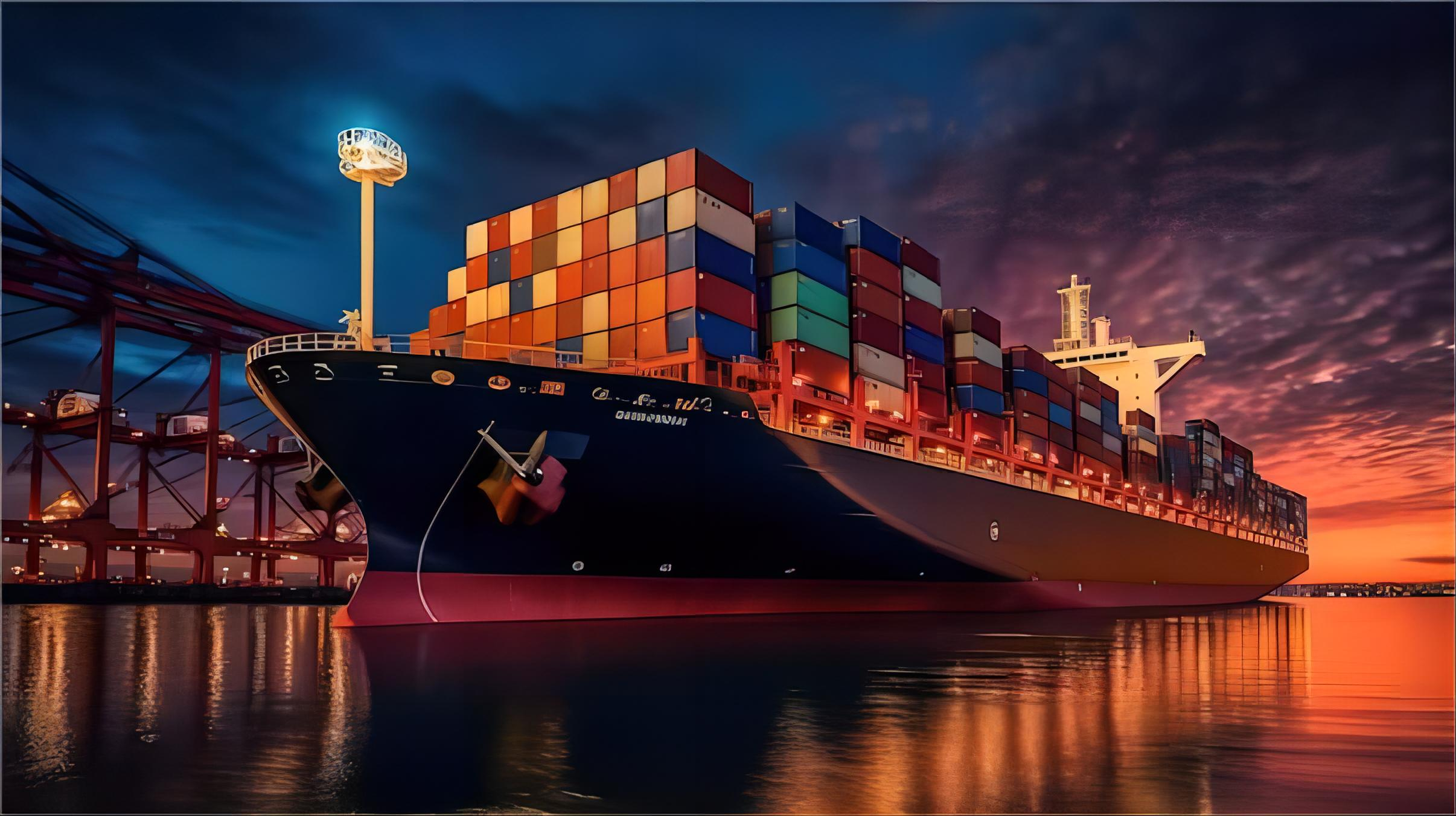
Modern logistics demands precision and transparency to navigate the complexities of international trade. By partnering with DSV-Freight, businesses can leverage a comprehensive supply chain tracking service to monitor goods from factory to final destination. This level of visibility ensures that disruptions are managed proactively rather than reactively.
Why a Supply Chain Tracking Service is Essential in 2026
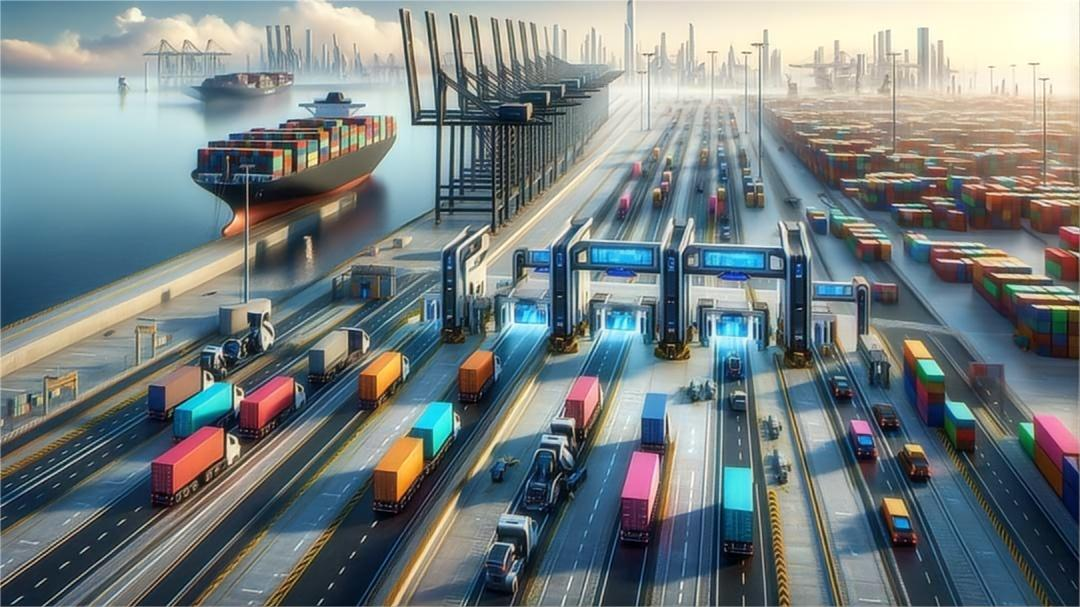
Global trade dynamics have shifted significantly as we enter 2026, making real-time data more valuable than ever before. Consequently, companies that fail to implement a robust supply chain tracking service often face unexpected delays and rising operational costs. Furthermore, the ability to pinpoint the exact location of a shipment allows for better inventory management and improved customer satisfaction.
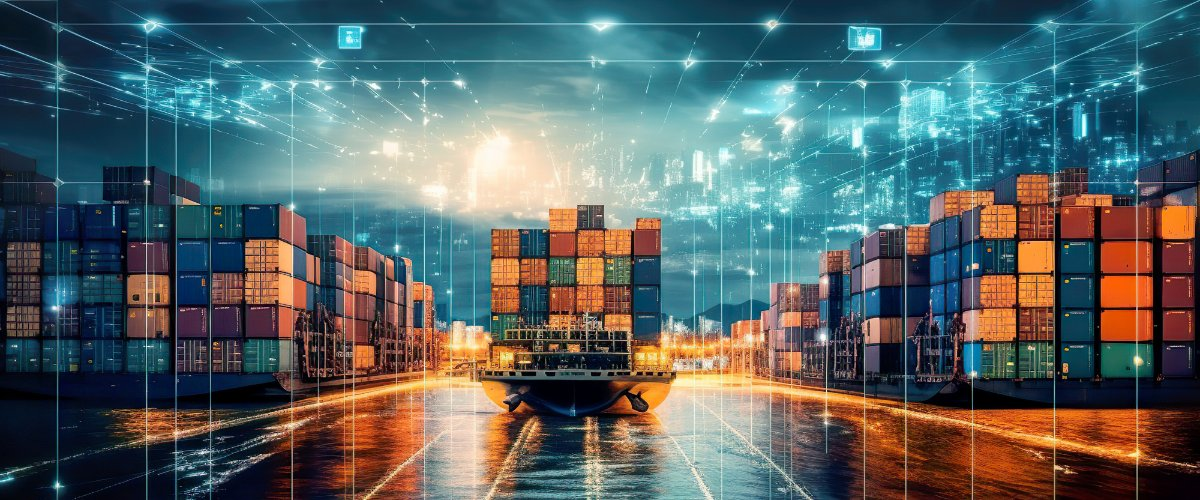
Moreover, the integration of advanced technologies like AI and IoT has transformed how we view cargo movement across the globe. Therefore, businesses must adapt to these technological shifts to remain competitive in an increasingly crowded marketplace. Indeed, having end-to-end visibility is no longer a luxury but a fundamental requirement for any serious importer or exporter.
Additionally, the volatility of fuel prices and port congestion requires a proactive approach to logistics planning. Meanwhile, traditional tracking methods that rely on manual updates are becoming obsolete due to their inherent inaccuracies and time lags. Accordingly, investing in a professional tracking solution provides the data-driven insights needed to optimize every step of the journey.
How Real-Time Visibility Impacts Global Shipping Costs
Reducing shipping costs is a primary goal for any logistics manager looking to improve the bottom line. By using a supply chain tracking service, you can identify bottlenecks in your route that contribute to unnecessary detention and demurrage fees. For instance, knowing exactly when a container will arrive at the port allows for better coordination with drayage providers.
In addition, real-time data helps in selecting the most cost-effective transport modes based on current market conditions. For example, if sea freight rates spike unexpectedly, a tracking system might suggest a hybrid sea-air solution to balance cost and speed. Without a doubt, the transparency provided by these services leads to more informed financial decisions and reduced waste.
Furthermore, accurate tracking minimizes the risk of lost or misplaced cargo, which can be incredibly expensive to replace. Consequently, insurance premiums may even be lower for companies that demonstrate high levels of supply chain control. Therefore, the initial investment in a tracking service often pays for itself through these cumulative savings and risk mitigations.
How Does Sea Freight Compare to Other Shipping Options?
While exploring different logistics strategies, it is vital to understand how sea freight stands up against alternatives like air or rail. Specifically, ocean transport remains the most economical choice for large volumes of goods, despite having longer transit times. On the other hand, air freight offers unmatched speed for time-sensitive or high-value commodities.
Moreover, the choice between these methods often depends on the specific requirements of the cargo and the urgency of the delivery. For example, electronics might require the speed of air, while raw materials are better suited for the high capacity of a container ship. Indeed, a balanced supply chain often utilizes a mix of these services to optimize both lead times and budgets.
As of early 2026, market data suggests that sea freight rates have stabilized, though they remain sensitive to geopolitical events. Meanwhile, rail freight continues to be a viable middle-ground option for transcontinental routes, offering faster speeds than sea at a lower cost than air. Consequently, a comprehensive comparison is necessary for every major shipment.
| Shipping Method | Cost Range | Transit Time | Best For | Limitations |
|---|---|---|---|---|
| Sea Freight | $1,500 – $4,500 | 15 – 45 Days | Bulk Goods / FCL | Slow Speed |
| Air Freight | $5,000 – $25,000 | 3 – 7 Days | High Value / Urgent | Very Expensive |
| Rail Freight | $2,500 – $6,000 | 18 – 25 Days | Mid-size / Land | Route Specific |
| Express | $200 – $1,500 | 1 – 4 Days | Samples / Small | Weight Limits |
Which Option Should You Choose for Your Business?
Deciding on the right shipping method requires a careful analysis of your budget, timeline, and cargo type. If your priority is keeping costs as low as possible, we recommend opting for sea freight, especially for shipments exceeding 15 CBM. Conversely, if you are facing a strict deadline, air freight is the only reliable way to ensure on-time delivery.
Furthermore, for businesses shipping from China to inland destinations, a door to door service can simplify the entire process. This approach eliminates the need for managing multiple vendors and ensures a single point of accountability. Indeed, many modern enterprises prefer this all-inclusive model for its simplicity and efficiency.
Additionally, you should consider the volume of your cargo when choosing between FCL and LCL. For shipments under 15 CBM, LCL at $50-80/CBM may be more economical than a full container. However, once you surpass that threshold, booking a 20GP or 40GP container usually provides a better cost-per-unit ratio.
Tracking Shipments from China to North America
Shipping from East Asia to the Western Hemisphere involves navigating complex maritime routes and busy ports. When shipping to North America, having a supply chain tracking service is crucial for monitoring the trans-Pacific journey. Specifically, port congestion in Los Angeles or Savannah can significantly alter your delivery schedule without warning.
Moreover, the transit time for these routes typically ranges from 14 to 35 days depending on the specific port of discharge. Therefore, early booking and consistent tracking are essential to avoid the peak season surcharges that often occur between August and October. Consequently, staying ahead of these trends can save your business thousands of dollars in freight costs.
Similarly, understanding the regional differences in customs procedures is vital for a smooth import process. While the US and Canada have streamlined systems, any documentation error can lead to costly delays at the border. Accordingly, using a tracking service that integrates with customs data provides an extra layer of security for your shipments.
The Vital Role of Customs Brokerage in Tracking
A supply chain tracking service is only as good as the information it provides regarding regulatory compliance. Therefore, integrating a professional customs brokerage into your logistics strategy is a wise move for any international trader. This ensures that all necessary paperwork, such as the Bill of Lading and Commercial Invoice, is handled correctly.
In addition, customs brokers can provide real-time updates on the status of your clearance, which is often a major blind spot in the supply chain. For instance, if a shipment is flagged for inspection, your tracking service will alert you immediately so you can adjust your downstream plans. Without a doubt, this level of detail is essential for maintaining a reliable delivery schedule.
Furthermore, experts in customs can help you navigate the complexities of tariffs and duties, potentially identifying cost-saving opportunities through trade agreements. Consequently, the synergy between tracking technology and human expertise creates a more resilient and efficient supply chain. To summarize, don’t overlook the importance of compliance when monitoring your global cargo.

Real-World Case Studies in Supply Chain Management
Examining real-world examples helps illustrate the tangible benefits of a professional supply chain tracking service. These cases reflect actual market conditions in late 2025 and early 2026, providing a realistic look at modern logistics. Specifically, they highlight how data-driven decisions can overcome common obstacles in international shipping.
Case Study 1: Electronics from Shenzhen to New York. Route: Shenzhen -> New York, USA. Cargo: Consumer Electronics, 28 CBM, 4,500 kg. Container: 40GP. Shipping Method: Sea Freight via Panama Canal. Carrier: COSCO. Port of Loading: Shenzhen. Port of Discharge: New York. Route Type: Direct. Cost Breakdown: Ocean Freight: $4,800; Origin Charges: $450; Destination Charges: $650; Customs and Duties: $1,200; Total Landed Cost: $7,100. Timeline: Booking to Loading: 4 days; Sea Transit: 32 days; Customs Clearance: 2 days; Total Door-to-Door: 38 days. Key Insight: Real-time tracking allowed the importer to divert inland trucking when the port experienced a 2-day labor slowdown.
Case Study 2: Industrial Parts from Ningbo to Hamburg. Route: Ningbo -> Hamburg, Germany. Cargo: Machine Parts, 12 CBM, 3,200 kg. Container: LCL. Shipping Method: Sea Freight. Carrier: Maersk. Port of Loading: Ningbo. Port of Discharge: Hamburg. Route Type: Transshipment via Singapore. Cost Breakdown: Ocean Freight: $1,100; Origin Charges: $300; Destination Charges: $400; Customs and Duties: $800; Total Landed Cost: $2,600. Timeline: Booking to Loading: 5 days; Sea Transit: 35 days; Customs Clearance: 3 days; Total Door-to-Door: 43 days. Key Insight: Automated alerts regarding the transshipment in Singapore ensured the buyer was aware of a 3-day delay due to weather, preventing a production line shutdown.
Note: Freight rates are subject to change based on fuel costs, carrier capacity, and seasonal demand. Contact us for a current quote tailored to your specific shipment.
Maximizing Efficiency with Professional Tracking
Successfully navigating the global marketplace requires more than just moving goods; it requires total visibility. By implementing a high-quality supply chain tracking service, your business can gain the insights needed to reduce costs and improve reliability. Furthermore, the ability to adapt to changing market conditions in real-time is a significant competitive advantage.
To summarize, whether you are utilizing sea, air, or rail freight, the data provided by modern tracking systems is indispensable. We encourage you to partner with experienced logistics providers who prioritize transparency and technological innovation. Ultimately, a well-tracked supply chain is a resilient supply chain, ready for the challenges of 2026 and beyond.
Need a tailored shipping solution?
Take control of your logistics today with a professional supply chain tracking service. Contact our experts to receive a customized quote and discover how we can optimize your global shipping operations for 2026. Visit our inquiry page to get started: Send Inquiry