

China to Mexico Warehouse Fulfillment Service: 2026 Logistics Guide
“Expanding your business into the Latin American market requires a robust and reliable logistics strategy. Many businesses face significant hurdles when managing international shipping and local distribution. Utilizing a professional DSV-Freight solution ensures your products move seamlessly from manufacturers to customers. This guide explores how a China to Mexico warehouse fulfillment service can transform your operations in 2026.”
What is a China to Mexico Warehouse Fulfillment Service?
❖A China to Mexico warehouse fulfillment service manages the entire journey of your goods from Chinese factories to Mexican doorsteps. This comprehensive solution includes international transport, customs handling, storage, and final delivery. Consequently, businesses can focus on marketing and sales while experts handle the complex logistics chain.
Moreover, these services often utilize bonded warehouses to defer tax payments until the moment of sale. This strategy significantly improves cash flow for growing e-commerce brands. Furthermore, integrated systems provide real-time tracking for every SKU in your inventory.
Choosing a specialized partner helps navigate the unique regulatory environment of the Mexican market. Specifically, they manage the Official Mexican Standards, known as NOMs, which are critical for legal compliance. Therefore, you avoid costly delays and potential seizures at the border.
Why Choose Mexico for Your Regional Distribution Hub?
❖Mexico has emerged as a premier logistics hub for both local and North American distribution. Its proximity to major markets makes it an ideal location for inventory positioning. Indeed, many companies use Mexico as a springboard for wider North America operations.
Additionally, the labor market in Mexico offers competitive costs for high-quality warehouse operations. This allows for efficient kitting, labeling, and packaging services at a fraction of the cost found in other regions. As a result, your landed cost per unit remains highly competitive.
The infrastructure in Mexico has seen significant investment throughout 2025 and 2026. Modern ports like Manzanillo and Lazaro Cardenas now handle record volumes with improved efficiency. Consequently, transit times from China have become more predictable for savvy importers.
How Does Sea Freight Compare to Other Shipping Options?
❖When evaluating a China to Mexico warehouse fulfillment service, choosing the right transport mode is vital. Sea freight remains the most popular choice for bulk shipments due to its cost-effectiveness. However, businesses must balance these savings against longer transit times.
In contrast, air freight offers unmatched speed for high-value or urgent inventory. While the cost is higher, the ability to restock popular items in days rather than weeks can prevent lost sales. Therefore, many successful brands employ a hybrid strategy to optimize their supply chain.
For smaller parcels, express services provide a direct route to the end consumer. This is often used for high-margin electronics or fashion items that require rapid delivery. Nevertheless, for sustainable growth, bulk shipping to a local warehouse is usually the superior financial decision.
| Shipping Method | Cost Range | Transit Time | Best For |
|---|---|---|---|
| Sea Freight (FCL) | $2,500 – $4,200 | 25-35 Days | Large Inventory |
| Air Freight | $6 – $12 per kg | 5-8 Days | Urgent Restocks |
| Express | $15 – $25 per kg | 3-5 Days | Sample/Small |
| LCL Sea | $80 – $150 per CBM | 30-40 Days | Mid-sized Cargo |
Understanding the Customs Brokerage Process in Mexico
❖Navigating Mexican customs is often cited as the biggest challenge for international shippers. Professional customs brokerage services are essential for ensuring all documentation meets local requirements. For instance, the Pedimento is a critical document that serves as the official tax receipt for imports.
Furthermore, certain products require specific import licenses or health certificates. Failure to provide these can result in lengthy storage fees at the port of entry. Meanwhile, an experienced broker can pre-clear shipments to expedite the release of goods.
In 2026, digital customs platforms have streamlined many of these traditional bottlenecks. However, manual inspections remain common for first-time importers or sensitive product categories. Consequently, having local representation is a significant advantage for maintaining a smooth supply chain.
| Document | Purpose | Required? | Source |
|---|---|---|---|
| Commercial Invoice | Value Declaration | Yes | Seller |
| Packing List | Content Details | Yes | Factory |
| Bill of Lading | Title of Goods | Yes | Carrier |
| NOM Certificate | Safety Compliance | Product Specific | Testing Lab |
The Role of Air Freight in Rapid Inventory Replenishment
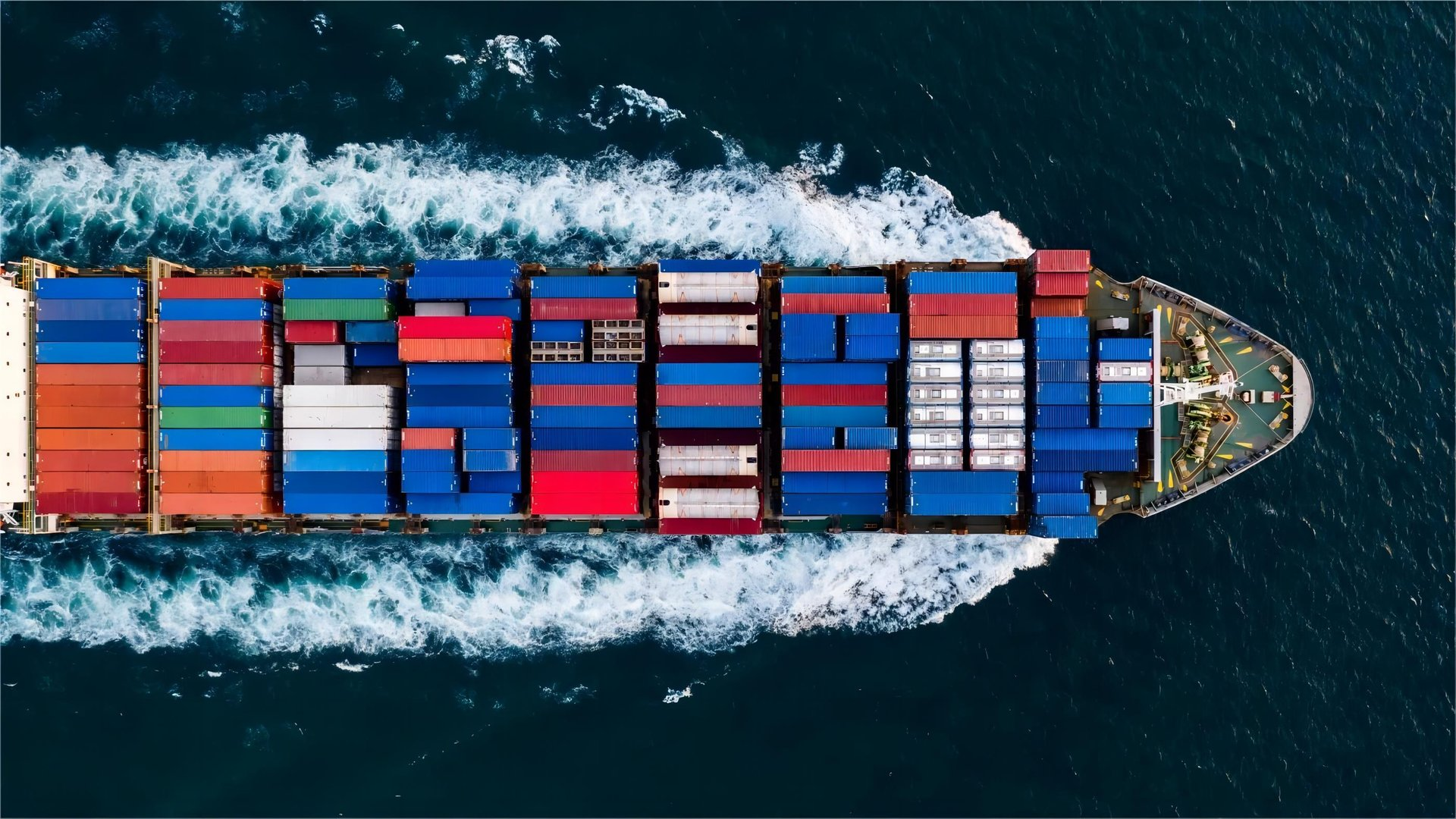
❖While sea freight handles the bulk, air freight plays a strategic role in modern fulfillment. If a particular SKU goes viral or experiences unexpected demand, air transport prevents stockouts. Specifically, it allows you to bypass port congestion during peak seasons.
Moreover, air cargo security is generally higher, reducing the risk of theft for sensitive items. This is particularly important for high-end consumer electronics or pharmaceuticals. Consequently, the insurance premiums for air shipments are often lower than for sea voyages.
Typical air routes from China to Mexico include transshipment points in the United States or direct flights to Mexico City. Although direct flights are faster, transshipment through hubs like Los Angeles can sometimes offer better rates. Therefore, checking multiple routing options is always recommended.
Benefits of Door to Door Logistics for E-commerce
❖A door to door service simplifies the entire logistics experience for the business owner. Instead of managing multiple vendors, you have a single point of contact from the factory floor to the final customer. This integration reduces communication errors and improves accountability.
Additionally, this model often includes final-mile delivery within Mexico. Local couriers are integrated into the fulfillment system to provide tracking numbers directly to your customers. As a result, customer satisfaction increases due to transparency and reliability.
Without a doubt, the reduction in administrative overhead is the primary benefit of this approach. Your team can spend more time on product development and market expansion. Meanwhile, the logistics partner ensures the warehouse stays stocked and orders are dispatched daily.
Strategic Case Studies: China to Mexico Success Stories
❖Case Study 1: Electronics Distribution. Route: Shenzhen to Mexico City. Cargo: 500 units of smart home devices, 4 CBM, 850 kg. Method: LCL Sea Freight with local warehousing. Ocean Freight: $650. Total Landed Cost: $1,400. Door-to-Door: 38 days. Key Insight: Using a bonded warehouse allowed the client to manage NOM labeling locally, saving 15% on Chinese export costs.
Case Study 2: Fast Fashion Inventory. Route: Ningbo to Guadalajara. Cargo: 2,000 units of seasonal apparel, 12 CBM. Method: FCL 20GP Container. Ocean Freight: $2,800. Total Landed Cost: $4,200. Door-to-Door: 32 days. Key Insight: Direct shipping to a Guadalajara warehouse reduced last-mile delivery costs to the central Mexico region by 20%.
Case Study 3: Urgent Component Replenishment. Route: Shanghai to Monterrey. Cargo: Industrial sensors, 150 kg. Method: Air Freight. Air Freight: $1,350. Total Landed Cost: $1,900. Door-to-Door: 7 days. Key Insight: Air freight prevented a factory line shutdown in Monterrey, proving the value of speed over cost for critical components.
Which Fulfillment Option Should You Choose?
❖Choosing the right China to Mexico warehouse fulfillment service depends on your specific business goals. If your priority is maintaining the lowest possible price point, sea freight to a central warehouse is the standard. However, if you are testing a new product, air freight for small batches might be more prudent.
For high-volume sellers, a split-shipment strategy is often the most effective. You can send 80% of your inventory via sea and keep a 20% buffer moving via air or express. This ensures you never run out of stock during peak shopping holidays like Buen Fin.
Finally, consider the location of your customer base. A warehouse in Mexico City is ideal for nationwide reach, whereas a facility in Tijuana might be better for cross-border operations. Therefore, analyze your sales data before committing to a specific fulfillment center location.
Mastering Your Mexico Fulfillment Strategy
Successfully implementing a China to Mexico warehouse fulfillment service is a game-changer for international sellers. By understanding the nuances of sea and air freight, and navigating the complexities of Mexican customs, you can build a resilient supply chain. The logistics landscape of 2026 offers more tools and efficiency than ever before.
Remember that consistency is key to customer loyalty in the competitive Mexican e-commerce space. Partnering with a professional logistics provider allows you to deliver that consistency every time. Start optimizing your routes and warehousing today to secure your market share in Latin America.
Ready to streamline your logistics?
Streamline your international growth with a reliable China to Mexico warehouse fulfillment service. Our team provides expert guidance on customs, shipping, and local distribution to ensure your success in the Mexican market. Contact us today to receive a customized quote and optimize your 2026 supply chain.
Request Quote